Erased Anime Guide: The Time-Travel Mystery Explained
A struggling manga artist gets thrown 18 years into the past to stop a child killer, and he has to do it trapped in his own 11 year old body. That is the hook of the Erased anime, and we promise it grabs you by episode one and does not loosen its grip until the credits roll on episode 12.
We watched the whole Erased anime in basically one sitting, and honestly you probably will too. It blends time travel, a cold case kidnapping mystery, and a nail biting race against a killer hiding in plain sight. It sounds heavy, and it is, but it is also one of the most rewatchable thrillers anime has ever produced. Let’s break down what makes it tick, who the players are, and what actually happens in that wild ending everybody still fights about.
What Is the Erased Anime About?
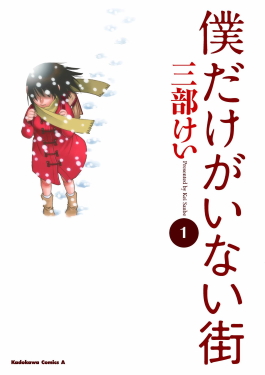
Erased is known in Japan as Boku dake ga Inai Machi, which translates to “The Town Where Only I Am Missing.” It started as a manga by Kei Sanbe that ran in Kadokawa Shoten’s Young Ace magazine from June 2012 to March 2016. The anime adaptation came from A-1 Pictures and aired on Fuji TV’s Noitamina block, running for 12 episodes from January 8 to March 25, 2016. Director Tomohiko Ito brought it to life with a script by Taku Kishimoto, and the whole thing feels cinematic in a way a lot of shows only wish they could pull off.
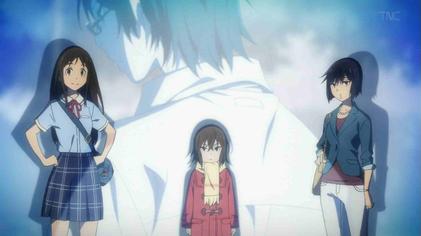
Here is the official English-subtitled trailer if you want a taste before you dive in.
Official ERASED English trailer. Source: Aniplex USA on YouTube.
The setup is deceptively simple. Our lead can jump back in time whenever something terrible is about to happen near him. But the show uses that hook to tell a story about regret, guilt, and clawing back the chance to save people you failed the first time. It is a mystery, a thriller, and a tearjerker all rolled into 12 tight episodes with zero filler. Those 12 episodes adapted 44 chapters across 8 manga volumes, so the pacing moves fast and never wastes a scene.
Meet Satoru Fujinuma and His Revival Power
The heart of the whole thing is Satoru Fujinuma. When we meet him, he is a 29 year old struggling manga artist paying the bills as a pizza delivery guy in 2006. He is guarded and a little lonely, drifting through his days at arm’s length from everyone around him. But he carries one strange gift. He calls it “Revival.”
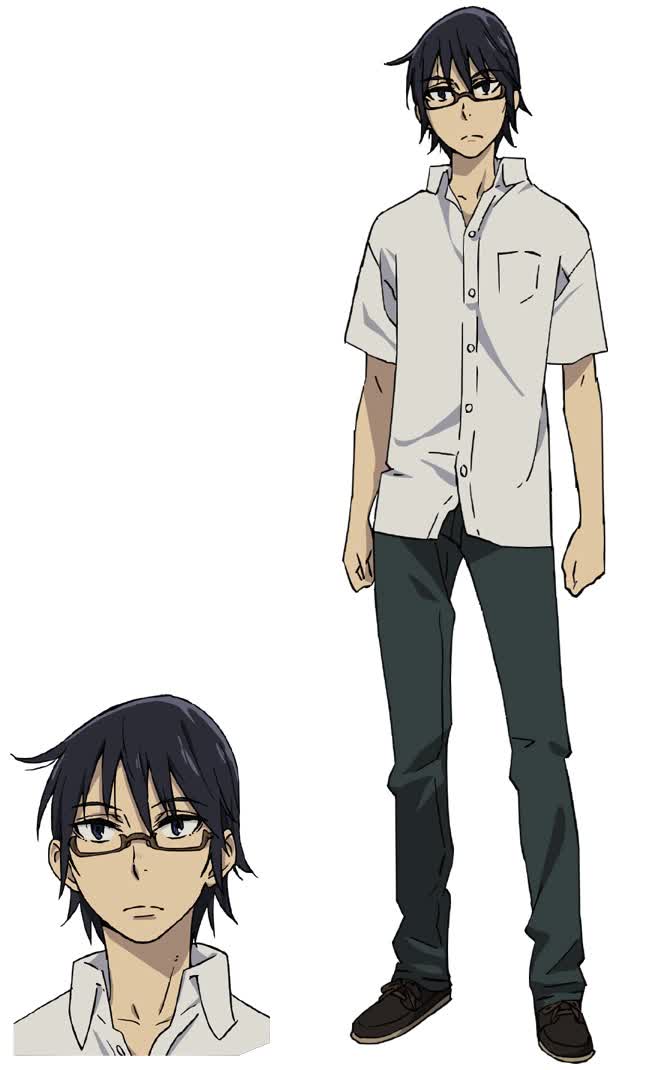
Revival yanks Satoru back in time by a few minutes whenever a life threatening tragedy is about to unfold nearby. He does not choose when it kicks in, and he does not always know what he is supposed to fix. The only warning is a floating blue butterfly that only he can see. When it appears, he knows something awful is coming and it lands on him to stop it. Early on this triggers some genuinely tense little sequences, like the time he saves a truck from plowing into a child, all before he even understands his power fully.
Then everything escalates. Satoru’s mother, Sachiko, notices something linked to an old case, and she gets murdered for it. Satoru walks in on the scene and gets framed for her death. In his panic, Revival fires harder than ever before and hurls him all the way back 18 years, to 1988, when he was an 11 year old kid. That is where the real story ignites.
The Boku Dake Ga Inai Machi Setup
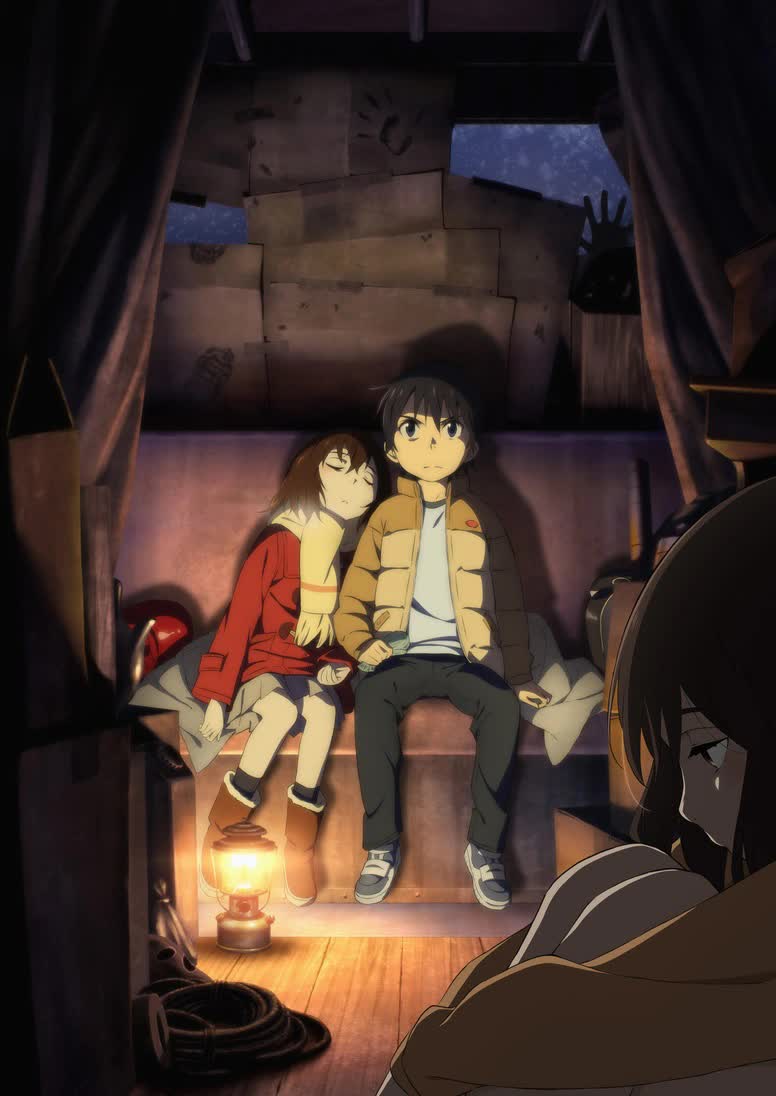
Landing back in 1988 drops Satoru into his childhood body in a snowy Hokkaido town, with his adult mind fully intact. The Boku dake ga Inai Machi premise leans hard into the gap between what he knows and what he can actually do as a fifth grader. He remembers a string of child kidnappings and murders that scarred his hometown, and he realizes his mother’s death decades later ties back to that exact same killer.
So Satoru gets a second chance most of us only dream about. If he can stop the kidnappings in 1988, he changes the future and clears his own name in 2006. The catch is brutal. He is 11 years old again. Nobody takes a kid seriously, he cannot drive, he cannot walk into a police station with a hunch, and the killer is patient and smart. Satoru has to be clever, careful, and braver than any child should have to be, all while his mom, his classmates, and his teachers see him as just another elementary schooler.
This is where the Erased anime earns its reputation. Watching a grown man’s mind steer a schoolyard, rebuild childhood friendships, and quietly stalk a predator is nerve wracking in the best possible way. Every playground conversation carries double the weight because we know what Satoru knows.
Kayo Hinazuki and the Heart of the Mystery
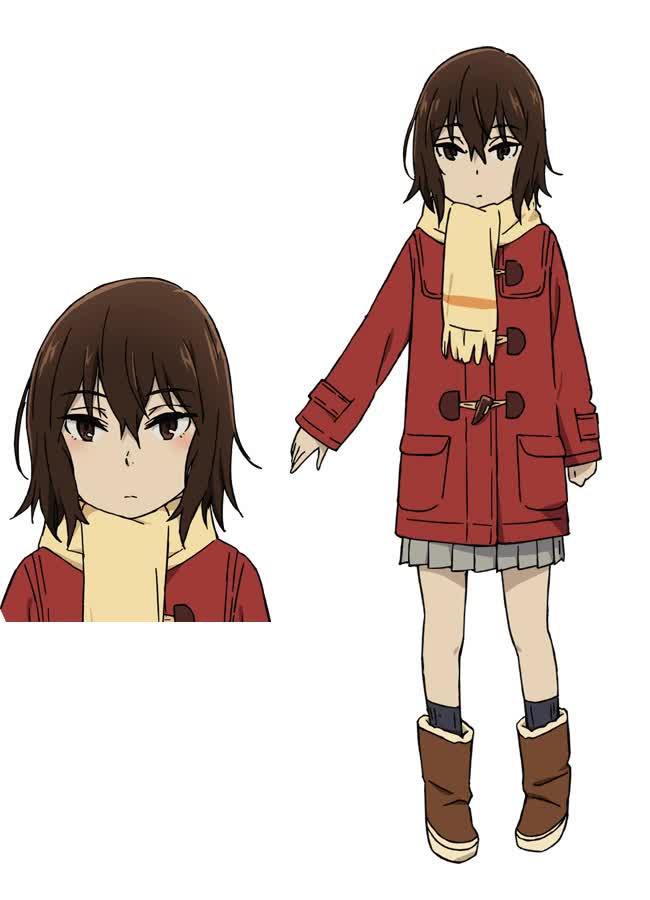
The first child Satoru has to save is Kayo Hinazuki. She is a quiet, withdrawn classmate who keeps everyone at a distance and always seems to turn up with bruises she refuses to explain. In the original timeline, Kayo was the first victim, kidnapped and killed right around her birthday. Satoru is dead set on rewriting that.
Getting close to Kayo pulls back a curtain on something genuinely ugly. She is being abused at home by her mother and her mother’s boyfriend, which is a huge reason she is so isolated and why almost nobody notices when she vanishes. Satoru slowly earns her trust, and their friendship becomes the emotional engine of the entire series. He hands her something she has never really had, which is a person who actually shows up and stays.
Their bond is why so many fans get attached so fast. You are not just watching a whodunit. You are watching a lonely, frightened kid finally find a friend, while a clock ticks down toward the day she is supposed to disappear forever. The birthday party sequence alone wrecks people, and it is a big part of why the fandom rallies around Kayo so hard.
Who Is the Killer in Erased?
Time for the big spoiler, so skip this section if you have not watched yet. The killer is not some faceless monster lurking in the woods. It is Gaku Yashiro, Satoru’s own homeroom teacher.
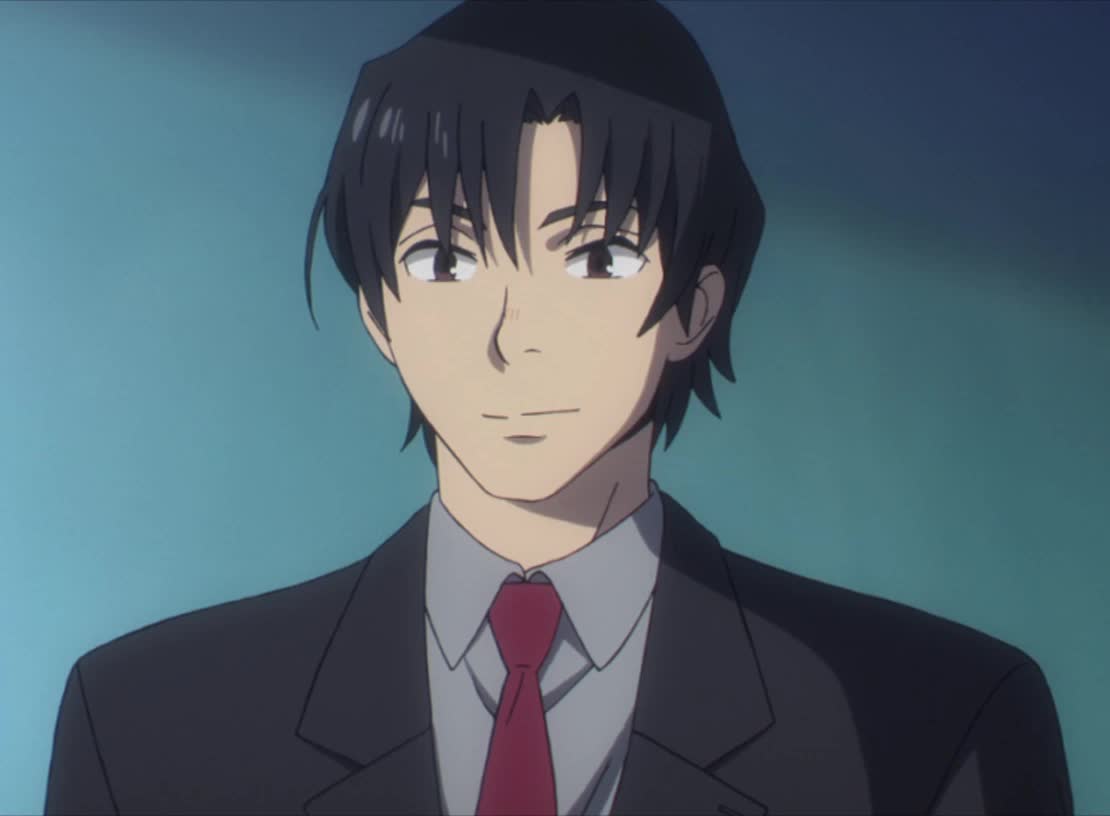
That reveal hits like a freight train. Yashiro spends the early episodes acting like the kindest adult in Satoru’s life, practically a father figure who seems to truly care about his students. He is warm, he is helpful, he shows up with the right words at the right moment, and he is the last person you would ever suspect. That is the entire trick. Yashiro is a calculating serial killer who targets vulnerable children, hides behind a mask of decency, and even steers the police investigation toward an innocent man to keep himself clean.
Yashiro talks about seeing an invisible “thread” hanging above certain people, a direct nod to Ryunosuke Akutagawa’s short story “The Spider’s Thread.” He also describes killing a cage of hamsters as a boy and keeping the sole survivor as a pet he named Spice. It is deeply chilling backstory, and it sets up the deadly chess match between teacher and student that powers the entire back half of the show. Once you know Yashiro is the one, a rewatch turns every kind smile into a red flag.
The Erased Ending Explained
The Erased ending is the part fans still fight about, so let’s break it down clean.
Satoru pulls it off. He saves Kayo and the other children Yashiro had marked back in 1988. But Yashiro clocks that this suspiciously sharp 11 year old is a real threat to him. So he lures Satoru out to a frozen lake, sends his car into the icy water with Satoru trapped inside, and stages the whole thing to look like a tragic accident. Satoru survives, but barely, and he slips into a coma that lasts 15 years.
When Satoru finally wakes up, it is 2003 and his memories are locked away behind a fog. Yashiro, who has spent those 15 years free and even reinvented himself under a new identity, shows up at the hospital to finish what he started, worried that Satoru remembers everything. The final showdown lands on a rooftop. Satoru reveals that yes, he remembers, and he also reveals that he already told his childhood friends Kenya and Hiromi the whole truth. The trap was sprung before Yashiro ever walked in. The killer is caught and hauled off to prison, and Satoru’s friends are waiting for him when it is over.
The Erased ending is bittersweet by design. Satoru loses 15 years of his life, and the future he might have built with certain people looks completely different by the time he opens his eyes. But he saved Kayo, he saved the other kids, and he shut down the killer for good. Kayo even grew up, married, and had a son in the timeline he rescued. Whether that trade feels earned or rushed is the precise thing fans still fire off essays about, and a lot of that debate comes straight from how much the anime had to compress.
Erased Anime vs Manga Differences
Most of the friction around the Erased ending traces back to how much the show trimmed to fit into 12 episodes. If you finish the anime hungry for more, the manga fills in some seriously big gaps.
The most talked about change is Yashiro’s backstory. The anime keeps his motivation deliberately murky with the hamster story and the spider’s thread imagery. The manga goes far darker, revealing that Yashiro grew up wealthy with an abusive older brother who was himself a predator, and young Yashiro was pressured into helping him. Yashiro eventually killed his brother and disguised it as a suicide, which is the moment his own twisted urges fully took over. It reframes him from a cartoonish evil teacher into something much more disturbing and human.
The manga also gives Kumi, the young leukemia patient Satoru befriends later, a much bigger role as one of Yashiro’s intended future victims, which cranks up the tension of the adult timeline. And in the manga’s version of the future, Kayo grows up and marries their childhood friend Hiromi, and the two have a son named Mirai. The anime sprints past a chunk of this, which is exactly why manga readers so often feel the show sold the finale short. Both versions are absolutely worth your time. If you want the complete emotional payoff, read the manga right after you finish the anime.
Why the Erased Anime Hooks Thriller Fans
So why does this show keep reeling in new fans year after year? It nails the one thing every great thriller needs, which is a ticking clock you actually care about. Satoru is not out to save the world. He is trying to save one lonely girl and a handful of kids in a small snowy town, and that tight scale makes every close call hit ten times harder.
The mystery plays fair too. The clues are planted early, the red herrings are smart, and the killer reveal holds up beautifully on a second watch. Stack on the gorgeous winter animation, that unforgettable Asian Kung-Fu Generation opening “Re:Re:,” and Sayuri’s haunting ending song “Sore wa Chiisana Hikari no You na,” and you get a package that feels premium from the very first frame. If you burn through the anime and still want more, there is a live action Japanese film from March 2016 and a Netflix live action series that dropped on December 15, 2017, both telling the same story in fresh ways.
Here is the official music video for the opening theme, “Re:Re:” by Asian Kung-Fu Generation.
“Re:Re:” official music video. Source: ASIAN KUNG-FU GENERATION official channel on YouTube.
And the official video for Sayuri’s haunting ending theme, “Sore wa Chiisana Hikari no You na.”
“Sore wa Chiisana Hikari no You na” official MV. Source: Sanketsu-girl Sayuri official channel on YouTube.
If you are the kind of anime fan who also follows internet personalities and streamer culture, odds are you already hang around the VTuber space. Tons of anime lovers do, and if you are new to that side of things you can start with our guide on <a href=”https://dereproject.com/vtuber/whats-a-vtuber/”>what a VTuber even is</a>. Plenty of big <a href=”https://dereproject.com/vtuber/hololive-productions-the-rise-of-the-vtuber/”>Hololive</a> talents have streamed reactions to thrillers exactly like this one, and if you love pulling back the curtain on your favorite creators, our <a href=”https://dereproject.com/vtuber/vtuber-face-reveal-12-famous-vtubers-faces-revealed/”>VTuber face reveal roundup</a> is a fun rabbit hole once you finish Erased.
Frequently Asked Questions
How many episodes is the Erased anime?
The Erased anime is 12 episodes long. It aired in Japan from January 8 to March 25, 2016 and was produced by A-1 Pictures for the Noitamina block. It is a tight, complete story with no filler, which is a huge reason people binge the whole thing in a night or two.
Is Erased based on a manga?
Yes! Boku dake ga Inai Machi started as a manga by Kei Sanbe that ran in Young Ace from June 2012 to March 2016 across 8 volumes. There is also a live action film from 2016 and a Netflix live action series that premiered December 15, 2017 if you want the story told in different formats.
Who is Satoru Fujinuma?
Satoru Fujinuma is the main character. He is a 29 year old manga artist who can jump back in time through an ability he calls Revival. After he gets framed for his mother’s murder, Revival flings him all the way back to 1988 as an 11 year old kid so he can stop a series of child kidnappings.
What is Revival in Erased?
Revival is Satoru’s time travel power. It automatically sends him back in time, usually just a few minutes, right before a tragedy so he can prevent it. He knows it is happening when he spots a blue butterfly that only he can see. The massive jump to 1988 is a far more powerful version of that same ability.
Does Erased have a happy ending?
The Erased ending is bittersweet. Satoru loses 15 years to a coma and a big chunk of the future he imagined, but he saves Kayo and the other kids and finally puts the killer behind bars. Most fans call it a happy ending overall, even though the price he pays is heavy.
Is the Erased anime worth watching?
Absolutely. If you love mystery thrillers with real emotional weight, the Erased anime is one of the best entry points into the whole genre. It is short, gorgeous, and gripping, and the central mystery holds up even when you already know the twist coming.