Is Pokemon Anime? The Answer Explained
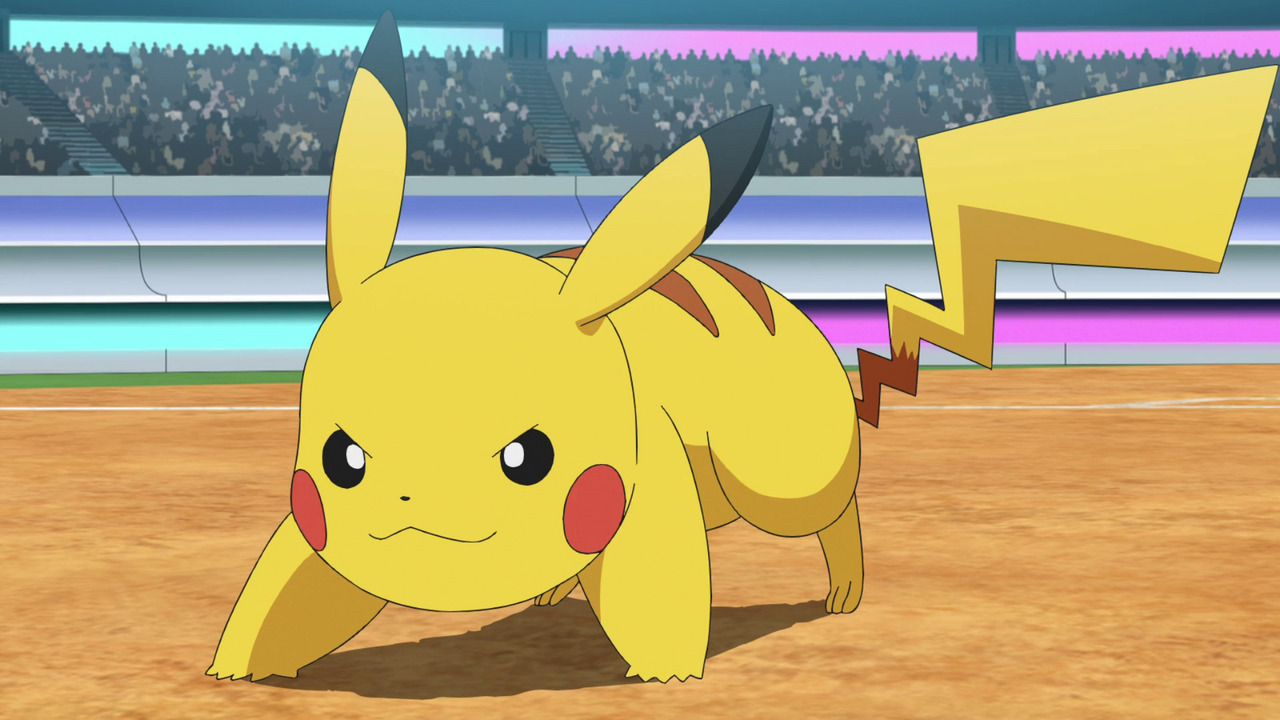
Pokemon is anime. Not a cartoon, not some Pokemon-flavored knockoff of anime, but the genuine article, drawn and produced in Japan since 1997. So the moment someone at the party scoffs and says “that’s a cartoon, not anime,” you can hand them the receipts, because is Pokemon anime is one of the easiest questions in fandom to answer. It premiered on Japanese TV, it was written and directed by Japanese creators, and it was made for a Japanese audience first. The only reason anyone gets confused is that most of us grew up watching a dubbed version squeezed between Saturday morning cartoons and never clocked what we were actually watching.
We get why the mix-up happens, and honestly the argument is kind of fun to have. So let’s break down where the confusion comes from, what the actual rules are, and why the answer is way simpler than the internet wants you to believe.
Is Pokemon Anime? The Short Answer
Here is the clean version. Is Pokemon anime? Yes, and it is not even close. The Pokemon animated series premiered in Japan on TV Tokyo on April 1, 1997. It was produced by a Japanese animation studio called OLM (Oriental Light and Magic). The first episode, “Pokemon, I Choose You!”, was written by veteran screenwriter Takeshi Shudo, who ran the show’s early story composition, and directed by Masamitsu Hidaka. Both are Japanese creators, and Shudo shaped the tone of those first few seasons before anyone in the West had a clue the show existed.
Every single box that defines anime, Pokemon checks. Made in Japan? Yes. Japanese creative team? Yes. Originally aired in Japanese for a Japanese audience? Yes. The version you grew up with was dubbed and lightly edited for Western TV, but that does not change what it is. Dubbing an anime does not magically turn it into a cartoon, the same way slapping subtitles on a French film does not make it American.
So the next time your buddy insists Pokemon is “just a cartoon,” you can smile and tell him he is technically watching one of the most successful anime ever made.
What the Anime Definition Actually Means
Here is where a ton of people trip up, so let’s settle the anime definition once and for all. In Japan, the word “anime” is just short for “animation,” and it means any animated show, period. SpongeBob is anime to a Japanese viewer. Mickey Mouse is anime. Over there it is a completely neutral word with zero attitude attached.
Outside Japan, though, the meaning narrowed. In English, “anime” specifically means animation that comes from Japan. That is the whole thing. English dictionaries literally define it as “a style of animation originating in Japan.” So the anime definition most fans actually use comes down to one question. Was it made in Japan? If yes, it is anime. Done.
Now, some folks try to bolt on extra rules. They will tell you anime needs giant sparkly eyes, spiky hair, dramatic speed lines, and wildly exaggerated facial expressions. That style really did become the signature look, and it traces back to the legendary Osamu Tezuka in the 1950s and 60s, the “God of Manga” who basically invented the visual language everyone copies to this day. But that look is a trend, not a law. Plenty of anime looks nothing like that at all, from the soft watercolor worlds of Studio Ghibli to the chunky retro style of old sports shows. Origin is what defines anime, not eyeball size.
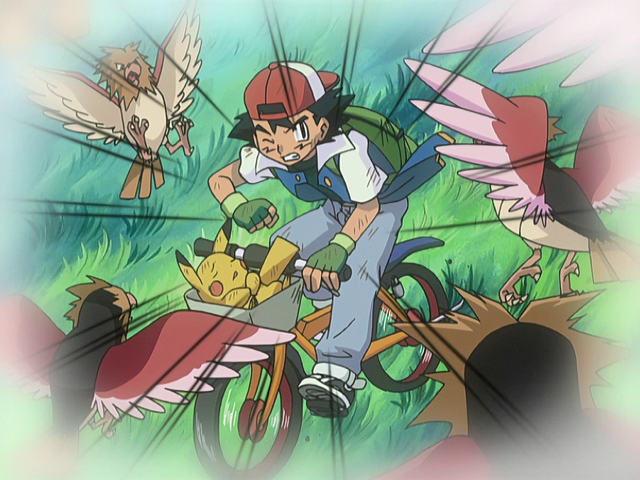
By that clean, origin-based standard, Pokemon is anime and it always has been.
Where the Pokemon Anime Came From
The Pokemon anime did not fall out of the sky. It was built on top of the Pokemon video games created by Satoshi Tajiri and his studio Game Freak, which launched on the Game Boy in Japan in 1996 and instantly went nuclear. Tajiri famously dreamed up the whole concept from his childhood love of collecting bugs, and once Red and Green became a phenomenon, The Pokemon Company did the obvious thing. They greenlit a show.
That show followed a 10-year-old kid named Ash Ketchum (his name is Satoshi in the Japanese version, a direct nod to Tajiri himself) as he set out to become a Pokemon Master with a grumpy little Pikachu who flat-out refused to ride inside its Poke Ball. In Japan, Ash has been voiced by Rica Matsumoto, and Pikachu has been voiced by Ikue Otani for basically the entire run, which is genuinely wild when you think about how many years that is.
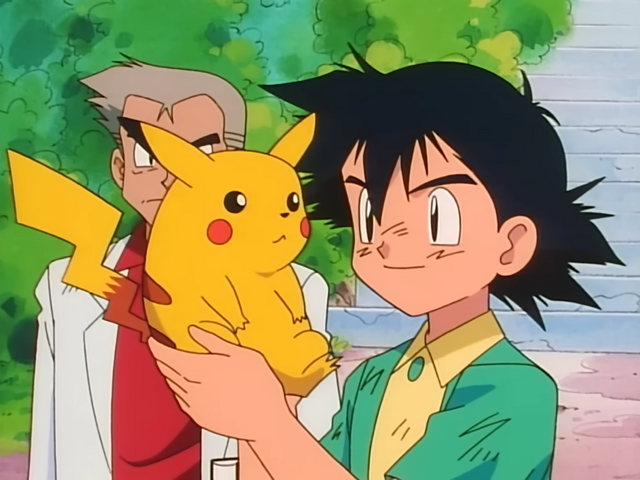
The animation has been handled by OLM the whole time, and that same studio has kept the Pokemon anime alive for nearly three decades. This is no short-lived side project. It is one of the longest-running and most-watched anime franchises on the planet, sitting right up there with the giants of the medium. When people ask “is Pokemon anime,” they are really asking about a show that helped define the entire genre for a whole generation of Western kids who did not even know Japan had a hand in it.
Why the Pokemon Anime Debate Even Exists
So if the answer is this obvious, why does the pokemon anime debate refuse to die? A few reasons, and they are actually pretty understandable once you lay them out.
First, timing and packaging. When Pokemon hit the West in 1998, it was localized by 4Kids Entertainment and slotted right into the Saturday morning cartoon block. It aired shoulder to shoulder with shows like Rugrats and Doug. So millions of kids filed it away in their brains under “cartoon” without ever learning it was imported from Japan. That first impression stuck like glue.
Second, the format. Old-school Pokemon episodes were extremely episodic. Ash rolls into a new town, there is a Pokemon of the week, Team Rocket cooks up a scheme, the scheme blows up in their faces, “we’re blasting off agaaain,” roll credits. That monster-of-the-week rhythm feels a lot like a classic Western cartoon, so people assumed it was one. The pacing tricked a whole audience.
Third, the audience. Pokemon was aimed squarely at kids, and a chunk of fans carry this snobby idea that “real” anime has to be edgy, violent, or made for teens and adults. That is nonsense. Anime covers every age bracket and genre imaginable, from gentle preschool shows to brutal seinen dramas full of gore and betrayal. Being kid-friendly disqualifies nothing. The pokemon anime debate is really an argument about vibes, not facts.
The Case for Calling It a Cartoon (and Why It Falls Apart)
Let’s be fair and steelman the other side for a second, because the people who call Pokemon a cartoon are not completely out of their minds.
Their argument usually goes like this. The show was made for kids, it runs simple episodic plots, it leans on recurring gag villains, and the version most Westerners saw had swapped-in American music, edited scenes, and rewritten dialogue. It walked like a cartoon and quacked like a cartoon, so they called it a cartoon.
Here is where that logic collapses. Every single one of those points is about how the show was delivered to the West, not about what the show fundamentally is. The Japanese original had its own soundtrack, its own script, and its own uncut episodes. When 4Kids famously turned onigiri rice balls into “jelly-filled donuts,” that edit did not reach across the ocean and un-make an anime. You cannot edit something into a different country of origin.
And the “it’s for kids” angle? Doraemon, Crayon Shin-chan, Anpanman, and countless other beloved kids shows air daily in Japan, and nobody on earth questions whether they are anime. So the cartoon argument sounds reasonable right up until you poke it once, and then it just tips over. Is Pokemon anime? The counterargument accidentally proves that it is.
From Ash to Liko: The Pokemon Anime Grew Up
Something huge happened recently that makes this question even easier to answer, because the franchise reminded everyone exactly how deeply anime it really is.
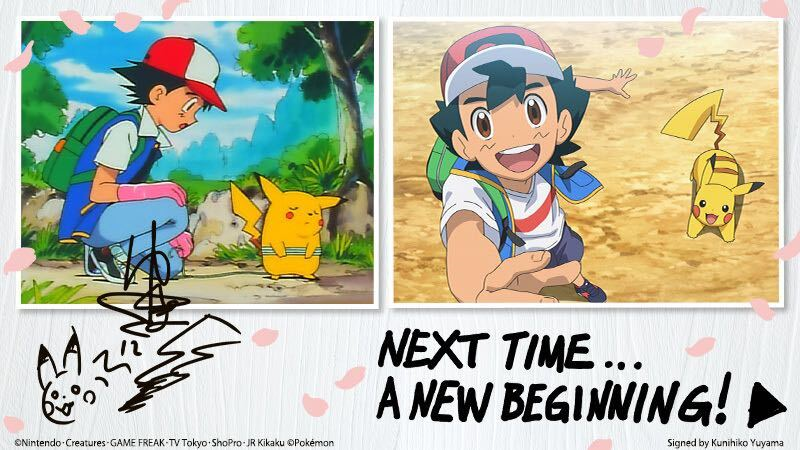
After 26 straight years, Ash Ketchum’s story as the main character wrapped up on March 24, 2023. He finally achieved his dream, becoming the world’s top-ranked trainer and the champion of the entire globe, then said his goodbyes and rode off into the sunset with Pikachu. For a lot of us who grew up alongside him, that finale hit way harder than we expected it to. That is not “just a cartoon” energy. That is decades of anime storytelling paying off in one emotional gut-punch.
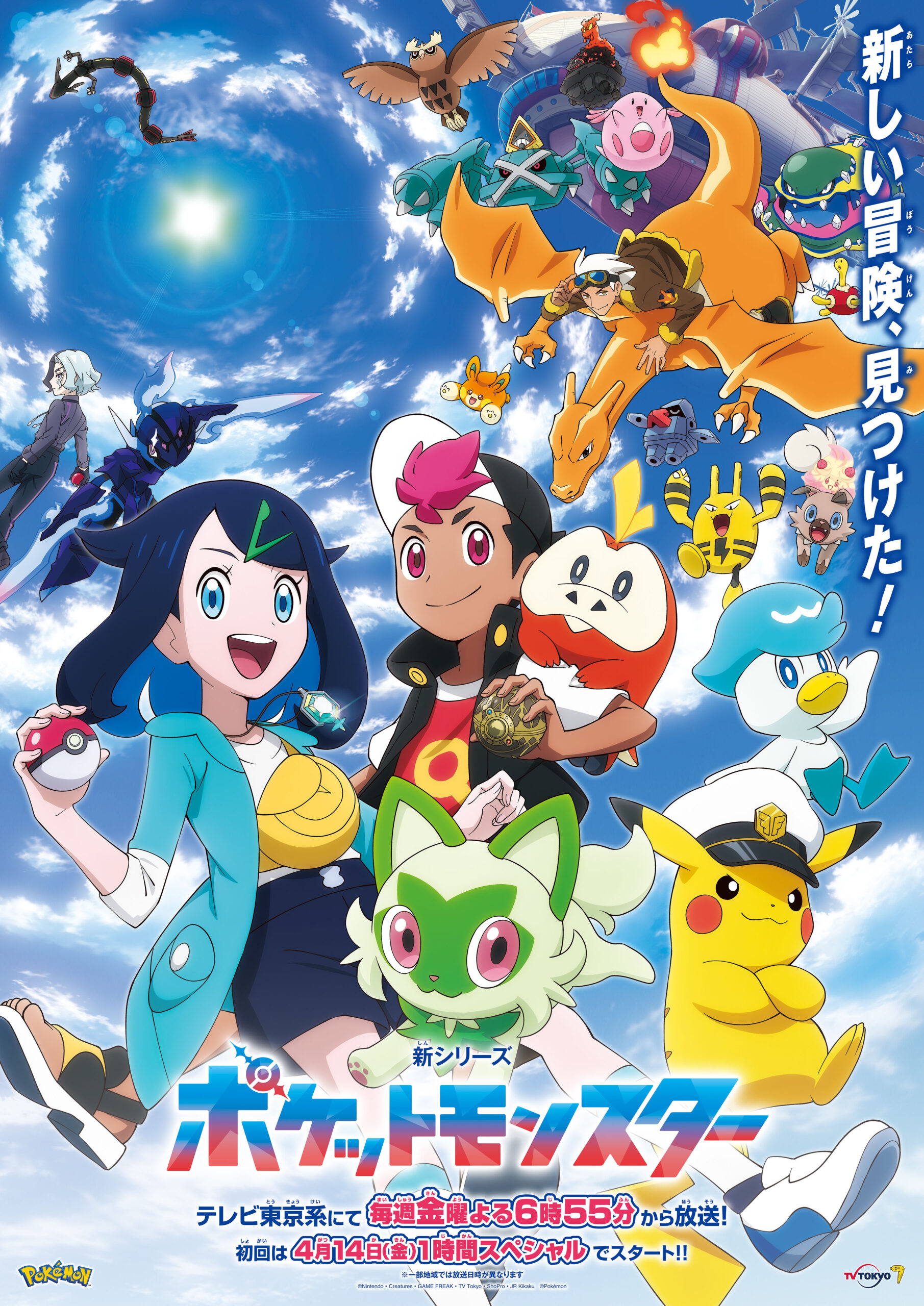
Then the franchise did something it had never done before. On April 14, 2023, a brand new series called Pokemon Horizons launched in Japan with a completely fresh cast. The new leads are Liko and Roy, two kids traveling with a crew called the Rising Volt Tacklers alongside a slick new mascot named Captain Pikachu and a mentor named Friede. Their partner Pokemon are Sprigatito and Fuecoco, and the story ties directly into the Paldea region from Scarlet and Violet. Netflix began streaming it in the US in early 2024.
The official Pokemon Horizons trailer from The Official Pokemon YouTube channel:
Pokemon Horizons leans much harder into serialized, ongoing storytelling with real arcs, actual mysteries, and long-term stakes, which is peak modern anime structure. If anyone still wanted to argue Pokemon was a disposable cartoon, Horizons quietly walked over and ended that conversation.
So, Is Pokemon an Anime? Our Final Verdict
Let’s tie it all together. Is Pokemon an anime? One hundred percent yes. It is Japanese-made animation with a Japanese creative team, first aired in Japan, and built straight out of a Japanese game franchise. By the only anime definition that actually holds up, which is origin, Pokemon qualifies on every possible level.
The moment Ash finally became World Champion, from The Official Pokemon YouTube channel:
The pokemon anime debate was never really about facts. It is about nostalgia, gatekeeping, and the way the show got repackaged for Western kids who did not even know any better. Once you learn where it came from, the whole thing kind of dissolves in your hands. Pokemon is not pretending to be anime. It is one of the most important anime ever made, and it introduced the entire medium to a generation who did not even realize they had already fallen in love with Japanese animation.
If you love watching that anime-inspired aesthetic bleed into other corners of the internet, you will get a kick out of how the exact same style powers the VTuber scene today. A ton of the biggest streamers borrow the same big-eyed, hyper-expressive look Pokemon helped popularize. Check out our guide on what a VTuber is to see where anime culture went next, or read about how Hololive turned that aesthetic into a global empire. Even a superstar like Gawr Gura is basically an anime character come to life.
So next time someone tries to correct you, stand your ground. Pokemon is anime, and now you have got the receipts to back it up.
Frequently Asked Questions
Is Pokemon anime or a cartoon?
Pokemon is anime. The “cartoon” label gets thrown at it because it aired next to Western cartoons and was dubbed into English, but it is animated in Japan by a Japanese studio (OLM) with a Japanese creative team. That makes it anime by definition. The cartoon tag is just a leftover from how it was marketed in the West.
When did the Pokemon anime first air?
The Pokemon anime first aired in Japan on TV Tokyo on April 1, 1997. The very first episode was “Pokemon, I Choose You!”, where Ash Ketchum gets his stubborn Pikachu and kicks off his journey. It has run almost continuously ever since, making it one of the longest-running anime around.
Why do people say Pokemon is not anime?
Most of the pokemon anime debate comes down to three things. It was made for kids, it uses simple episodic plots that feel like Western cartoons, and the version most Westerners saw was heavily localized by 4Kids. None of those points change where it was actually made, so none of them disqualify it from being anime.
What actually counts as anime?
The simplest anime definition used outside Japan is animation that originates in Japan. That is the core rule. Art style, big eyes, and dramatic expressions are common traits, but they are trends, not requirements. If it was created in Japan, it counts as anime, and Pokemon absolutely was.
Is the new Pokemon series still anime?
Yes. Pokemon Horizons, which launched in 2023 with new leads Liko and Roy after Ash retired, is still fully anime. It is produced in Japan by OLM and leans into longer, more serialized storytelling. If anything, it is even more clearly anime than the older monster-of-the-week episodes.
Do I need to watch Pokemon subbed to call it anime?
Nope. Watching the English dub does not change what the show is. Dubbing swaps the voices and sometimes trims a few scenes, but the original Japanese production still exists underneath it all. A dubbed anime is still anime, the same way a translated novel is still written by its original author.