Is There Korean Anime? Manhwa and Aeni Explained
You just binged Solo Leveling in one sitting, your jaw is on the floor, and a weird thought creeps in. Everyone keeps calling these shows Japanese, yet the names, the cities, and the whole attitude scream Korea. So is there Korean anime, or is all your new favorite stuff just Japanese anime wearing a Seoul jersey? Great question, and the answer is way more fun than a plain yes or no. Korean anime absolutely exists, fans and creators call it aeni, and it comes soaked in a comic culture that has quietly taken over your feed. Let’s untangle aeni, manhwa, and every show worth your evening!
Grab a snack. We are about to make you the smartest person in your group chat.
So Is There Really Korean Anime? Meet Aeni
Yes! Korean anime is real, and the proper word for it is aeni. The name comes straight from the Korean spelling of the English word animation, which gets written as aenimeisyeon in Hangeul and then chopped down to a cute little aeni. Japanese fans did the exact same trick to get the word anime, so aeni is basically Korea’s cousin of that idea.
Here is the fun twist. In everyday Korean chat, aeni often just means Japanese anime, because that is what most people grew up watching after school. So when Koreans want to talk specifically about their own homegrown stuff, they say hanguk aeni, which means Korean animation, or guksan aeni, which means domestic animation. Same energy, cleaner label.
That little language detour tells you everything. Korean animation grew up in the shadow of the giant next door, and for a long time it got treated as kids only content that aired in the afternoon cartoon slots. Japan handed anime prime time glory. Korea kept its own stuff parked on the playground. That gap is exactly why so many people still ask if aeni is even a thing. It is, and it has been quietly leveling up this whole time. The wild part? The talent was always there. We will get to that plot twist later, and it is a good one.
Manhwa: The Comics That Power Korean Animation
You cannot understand Korean animation without meeting manhwa first. Manhwa is simply the Korean word for comics, the same way manga is the Japanese word for comics. If you have ever scrolled a story on Webtoon, you have already read manhwa, you just did not know the name for it.
And this is the engine. Manhwa is the fuel behind almost every big aeni show you can name. Korean creators post their stories on webtoon platforms first, they blow up with millions of readers, and then studios come knocking to turn the hits into animation. Solo Leveling, Tower of God, The God of High School, Noblesse, Lookism, every single one started life as a manhwa or webtoon before it ever moved on screen.
The webtoon format changed the whole game. Naver launched its webtoon service back in 2004, and suddenly a Korean artist could reach fans in America, Europe, and everywhere else without printing a single page. You scroll vertically on your phone instead of flipping panels, so the pacing hits like a slow reveal, one shocking image at a time. Those readers turned into a global audience begging for adaptations, and the studios listened. So when you watch a shiny new Korean anime, you are really watching a fan favorite manhwa that clawed its way to the top of the charts.
One more neat detail for your trivia arsenal. The old Sino Korean phrase manhwa yeonghwa literally mashes manhwa together with the word for movie, and Koreans have used it as a catch all for animation for ages. The comics and the cartoons have been holding hands since the very beginning.
Aeni vs Anime vs Donghua: What Actually Sets Them Apart
Time to settle the great debate. You have got Japanese anime, Korean aeni, and Chinese donghua all crowding your streaming home page, so what is the actual difference?
Anime is the Japanese stuff, built on decades of manga and famous for that instantly recognizable big eyes and sharp lines look. Donghua is Chinese animation, it dates back to the 1930s, it leans hard into cultivation and fantasy epics, and it loves a glossy 3D render dressed in traditional Chinese fashion.
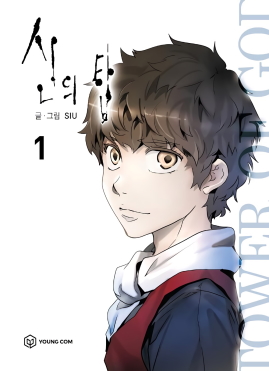
Korean anime, our star aeni, has its own flavor too. Because so much of it grows out of webtoons, aeni tends to draw characters with more realistic body proportions and sharper, more grounded faces. Artists love to crank up little facial lines and creases to shove raw emotion right into your eyeballs during a big dramatic beat. Watch a fight scene in Tower of God or Lookism and you will feel that punchy, cinematic webtoon energy that plainly does not look like a Tokyo studio production.
Here is the honest gossip fans love to argue about. A lot of famous aeni titles are actually animated by Japanese studios working from Korean source material. Tower of God was built through Japanese co production, and Solo Leveling was animated by A-1 Pictures over in Japan. So are they Korean anime or Japanese anime? The community basically agrees on this one. The soul is Korean, the story is Korean, the manhwa is Korean, and that is what makes it aeni no matter whose pencils drew the frames. Origin over ink, every time.
The Korean Anime Shows Everyone Is Talking About
Okay, this is the part you actually came for. Here are the Korean anime shows that turned casual viewers into obsessed, fan art posting, group chat spamming believers.
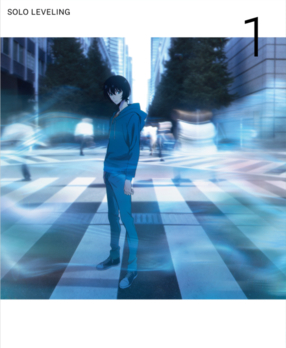
Solo Leveling is the big one, the phenomenon, the show that dragged your non anime friends kicking and screaming into the fandom. It follows Sung Jin-woo, the weakest hunter alive in a world where monsters pour out of mysterious gates, until a near death encounter hands him a secret leveling system that turns him into an absolute powerhouse. It began as a web novel by an author known as Chugong, serialized on KakaoPage starting in 2016, exploded into a smash webtoon, and then A-1 Pictures dropped an anime in 2024 whose fight scenes went so viral they broke the internet. It went on to sweep the 2025 Crunchyroll Anime Awards, including Anime of the Year. Not bad for a story about the world’s weakest guy.
The official Solo Leveling trailer from Crunchyroll, the fight scenes that broke the internet:
Tower of God is the trailblazer. Based on the beloved webtoon by an artist known as SIU, it was one of the very first Korean webtoons to reach a global audience through a Japanese co production, and it proved Korean animation could deliver scale, mystery, and atmosphere on the level of any massive franchise. Season one landed in 2020 as one of the first Crunchyroll Originals, and season two arrived in July 2024 to a fanbase that had waited four years and lost their minds when it finally hit. The story follows a boy named Bam who climbs a mysterious, impossible tower to chase after the one girl who left him behind.
The God of High School is pure uncut adrenaline. Young martial artist Mori Jin gets invited to a wild fighting tournament where the winner is promised any single wish granted, and combatants tap into Borrowed Power, called Charyeok, on loan from gods and demons. Studio MAPPA animated it in 2020 and the fights go absolutely feral, all whip fast camera work and sakuga so smooth it feels illegal.
Noblesse delivers the classic vampire fantasy done right. A powerful noble named Cadis Etrama Di Raizel wakes up after more than 800 years of sleep, enrolls himself in a modern high school, and immediately gets hunted by a shadowy organization. It was so beloved as a webtoon that it spawned several animated versions before Production I.G gave it a full anime series in 2020.
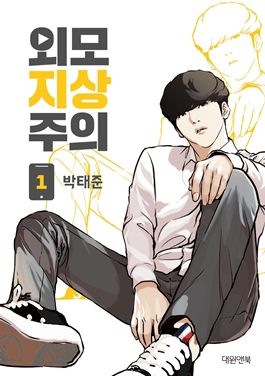
Lookism is the Netflix flex. Studio Mir, the Korean powerhouse behind The Legend of Korra and Voltron, adapted this hit webtoon about a bullied teen named Park Hyung Suk who wakes up able to swap between two completely different bodies, one he was mocked for and one everybody adores. It landed on Netflix in 2022 as one of the platform’s first big Korean animation originals, and it struck a nerve with anyone who has ever felt judged on looks alone. It hits hard because it hurts a little.
The official Lookism trailer from Netflix Anime:
Classic Korean Animation Films You Should Watch First
Before the webtoon boom, Korean animation was already making bold, weird, gorgeous movies. If you want to sound genuinely cultured at the next watch party, start here.
Wonderful Days, released internationally as Sky Blue, is a stunning sci fi film from 2003 that blended CGI, real miniature models, and hand drawn characters into something that looked like nothing else on Earth at the time. It is set in a poisoned future where ecological collapse has shattered civilization, with the elite clinging to life inside a gleaming domed city while everyone else is left to rot outside. Director Kim Moon-saeng basically tried to out spectacle Hollywood on a fraction of the budget, and the visuals still hold up.
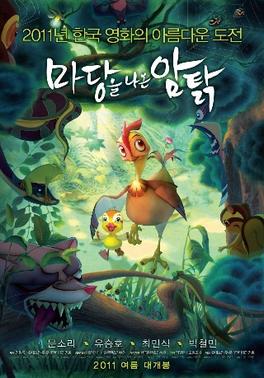
Leafie, A Hen Into the Wild is the most successful Korean animated film ever made, pulling over 2.2 million viewers in 2011 and smashing every home grown record. It follows a hen who escapes the farm and raises a duckling as her own out in the dangerous wild. Bring tissues. This one has emotionally destroyed grown adults who walked in expecting a cute cartoon.
The King of Pigs is the dark horse pick. It was director Yeon Sang-ho’s brutal 2011 debut about school bullying and the scars it leaves, and it became the first Korean animated film of its kind screened at Cannes, showing in the Directors’ Fortnight section. Yes, this is the same Yeon Sang-ho who later gave you Train to Busan, so you already know he does not pull a single punch.
Red Shoes and the Seven Dwarfs flips a classic fairy tale into a bright, glossy 3D adventure about inner beauty, produced by Locus Corporation with a stacked English voice cast. It is a great gateway pick if you want something lighter and family friendly to ease into before the heavier stuff.
Why Korean Animation Studios Secretly Run the Whole Industry
Here is the plot twist we promised, and it is going to reframe every cartoon you grew up with. Korea has been one of the biggest animation powerhouses on the planet for decades, and you almost certainly never noticed.
For years, Korean animation studios did the actual heavy lifting on countless shows from around the world, especially imports from Japan and Hollywood. A huge chunk of your favorite Saturday morning cartoons, and even beloved anime you would swear were 100 percent made in Tokyo, got animated by Korean hands behind the scenes. Korea quietly became the largest supplier of television animation on Earth while barely getting its name into the closing credits. Studios did the work, someone else took the glory.
That deep bench of talent is exactly why the current Korean anime wave hits so hard. These studios already knew how to animate at a world class level, because they had been doing it for everyone else the whole time. Once webtoons handed them killer stories and a hungry global audience, they stopped ghost animating other people’s shows and started making their own. Studio Mir is the perfect example, going from hired guns on The Legend of Korra to headlining Korean anime shows on Netflix. The skill was never the missing piece. Now the spotlight finally is theirs too.
If you love watching the real people behind the avatars, this same scrappy creator energy is exactly what powers the VTuber scene we cover all day long. Fans of one usually fall hard for the other, so it is worth a peek if you have not gone down that rabbit hole yet. You can start with our breakdown of what a VTuber actually is.
Frequently Asked Questions
Is there Korean anime, and what is it called?
Yes, Korean anime is real and the proper name for it is aeni. To be extra precise, Koreans say hanguk aeni or guksan aeni to separate their homegrown animation from the Japanese anime that the word aeni often refers to in casual conversation.
What is the difference between manhwa and Korean anime?
Manhwa is Korean comics, and Korean anime is animation. Almost every popular aeni show starts as a manhwa or webtoon that gets so huge a studio turns it into animation. Manhwa is the source, aeni is the moving version.
Is Solo Leveling Korean anime or Japanese anime?
Both camps have a point, but fans call it Korean anime because the story, the web novel by Chugong, and the webtoon are all Korean. It was animated by the Japanese studio A-1 Pictures, yet the heart and origin of the whole thing are pure Korea.
What are the best Korean anime shows to start with?
Start with Solo Leveling for jaw dropping action, Tower of God for a deep mysterious world, The God of High School for nonstop fights, and Lookism for an emotional modern story. All four came from hit manhwa.
Is aeni different from anime visually?
Yes. Because aeni leans on its webtoon roots, characters often have more realistic proportions and sharper features, with exaggerated facial lines used to crank up the emotion in big moments. It gives Korean animation a grounded, cinematic vibe.
What are the best classic Korean animation films?
Try Wonderful Days for gorgeous sci fi visuals, Leafie A Hen Into the Wild for an all time tearjerker, and The King of Pigs for a dark thriller from the director of Train to Busan.
Related
- What’s A VTuber?
- Hololive Productions: The Rise of the VTuber
- VTuber Face Reveal: 13 Famous VTubers’ Faces Revealed
Wrapping Up
So there you have it! Korean anime is real, it is called aeni, and it is riding a monster wave of manhwa hits straight onto your screen. From Solo Leveling and Tower of God to old gems like Leafie and Wonderful Days, Korean animation has quietly earned a seat at the biggest table in the room. Next time someone insists aeni does not exist, you get to smile and drop the whole aeni and manhwa saga on them. Go start a series tonight. You will thank us later!