Metropolis Anime Movie Guide
Picture a doomed robot city collapsing in slow motion while Ray Charles croons a love song over the wreckage. That single scene is why the Metropolis anime has quietly wrecked fans for over twenty years, and it is only the tip of this movie. The 2001 film is one of those titles people obsess over in private and then aggressively shove onto every friend who will listen. It is gorgeous, it is heartbreaking, and it still hits way harder than it has any right to, with a wild backstory that reaches all the way to a 1949 manga and a silent German movie from the 1920s. We are going to walk you through every piece of it: the story, the characters, the eye-melting visuals, and that ending everyone still argues about.
Grab a snack and settle in, because this one deserves your full attention.
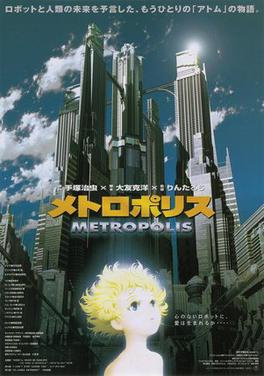
What Is the Metropolis Anime?
Metropolis is a Japanese animated film that dropped in 2001. It was directed by the legendary Rintaro, written by Katsuhiro Otomo (yes, the Akira guy), and animated by the powerhouse studio Madhouse with conceptual support from Tezuka Productions. So right away you have three of the biggest names in anime history stacked on one project. That is like a supergroup forming for a single album.
Here is a stat that makes it hit even harder. The film reportedly cost around 1.5 billion yen, roughly 9 million dollars at the time, which made it the most expensive anime movie ever produced back then. It even out-spent Otomo’s own Akira. You can feel every yen of that budget on screen.
The movie is a retro-futuristic sci-fi drama, and people love to slap the “dieselpunk” label on it. Think towering skyscrapers, boxy old cars, snappy detective coats, and robots clanking around a shining city built on top of a miserable underground. It mixes hand-drawn characters with early CGI backgrounds, and the combo still looks stunning today.
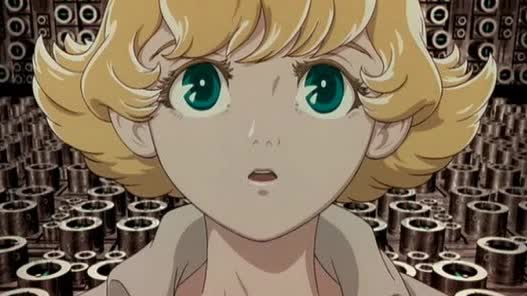
At its heart, the Metropolis anime is a story about a robot girl named Tima who does not know what she is, and a human boy named Kenichi who cares about her anyway. One robot girl wakes up, forgets she is a machine, and everything explodes. That simple friendship gets tangled up in politics, power, and a doomsday machine. Sweet on the surface, devastating underneath.
The Osamu Tezuka Metropolis Roots
Here is where the story gets fun. The Osamu Tezuka Metropolis manga came out way back in 1949. Tezuka is the “God of Manga,” the man behind Astro Boy and Kimba the White Lion, and this was one of his early sci-fi swings.
Now for the juicy part. Tezuka based his manga on Fritz Lang’s famous 1927 German silent film Metropolis, except he never actually watched it. He said the only thing he took from Lang’s movie was a single still image he had seen, a shot of a female robot being created. That one picture lit up his imagination and he ran with it in a completely different direction. One frame turned into a whole manga. We love that.
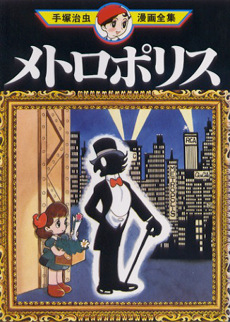
So Tezuka’s manga and Lang’s film share a name and a robot birth, and not a whole lot else. The 2001 movie then pulled the two back together. Otomo’s script kept Tezuka’s characters and warm heart, but leaned harder into Lang’s themes of class struggle, rich versus poor, and humans lording over machines. It even borrowed set-design ideas from the old German film. So the finished film is basically three creative minds from three different eras all shaking hands across a hundred years.
Metropolis 2001 Plot Overview
Let’s set the scene. Metropolis is a massive, stratified city where humans and robots live side by side, except the humans are not thrilled about it. Robots do the labor, so a lot of unemployed people blame them and shove them down into the grimy lower levels. The rich live in the light up top while everyone else scrapes by in the shadows underneath, and tension is everywhere.
The city’s richest and most powerful man is Duke Red. He has just finished building the Ziggurat, a colossal tower that is way more than a fancy skyscraper. It is actually a hidden military and scientific complex. Secretly, Red hired a shady scientist named Dr. Laughton to build a super-advanced android modeled after his dead daughter. That android is Tima. Red’s plan is to seat Tima at the top of the Ziggurat as the control unit for a hidden superweapon so he can rule the entire world. Cheerful guy.
Meanwhile, a Japanese detective named Shunsaku Ban and his young nephew Kenichi travel to Metropolis chasing Dr. Laughton, who is wanted for organ-trafficking crimes. When things go sideways at Laughton’s lab and the place goes up in flames, Kenichi ends up fleeing into the city’s underbelly with Tima. Neither of them realizes she is a robot at first. They just become fast friends, and Kenichi tries to protect her while they figure out who she really is.
Want a taste of the look and tone before you commit? Here is the official trailer.
Metropolis (2001) official trailer, via Umbrella Entertainment.
Circling around all of this is Rock, Duke Red’s adopted son, who leads a paramilitary squad of robot-hunters called the Marduk. Rock is desperate for his father’s love and grows insanely jealous of Tima, since Red seems to care more about a machine than his own kid. That jealousy drives a huge chunk of the drama. We will not spoil the back third here, but know that it builds to one of the most talked-about finales in anime.
The Characters Who Make the Metropolis Anime Movie Tick
A story is only as good as its people, and this cast delivers. Here are the key players you will be rooting for and yelling at.
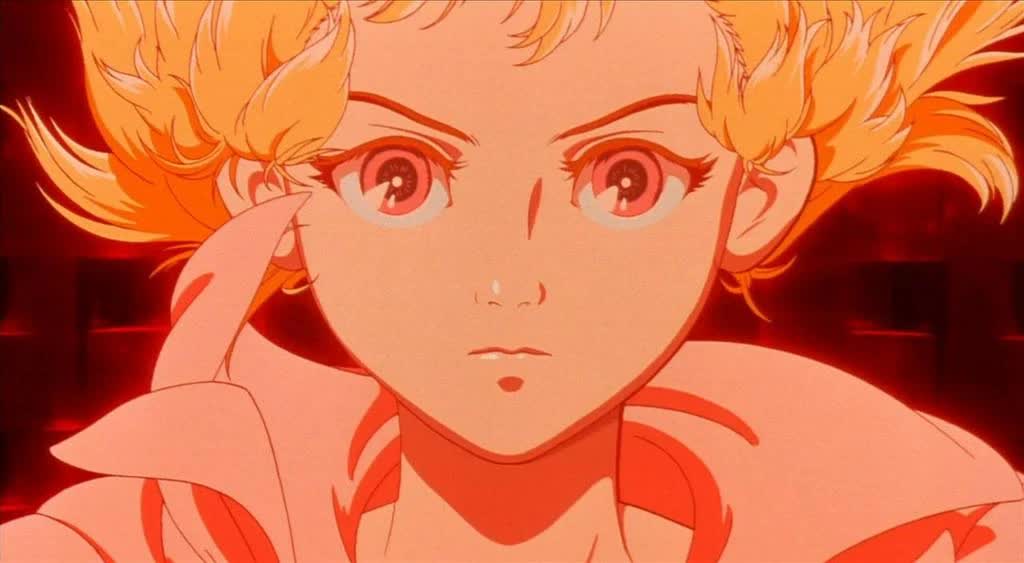
Tima is the emotional core and the soul of this movie. She is an android built to look human, gentle and curious and genuinely kind, and she spends the film slowly learning language, feelings, and the terrifying question of what she actually is. The way the movie uses her face and expressions is devastating, and her innocence is what makes everything hit so hard.
Kenichi is our audience stand-in, a kind and stubborn kid who just wants to keep Tima safe. He does not care about politics or power. He sees her as a person from the very beginning, and that pure motivation makes him easy to love.
Duke Red is the villain you cannot look away from. He is not a cackling cartoon baddie. He is a grieving father and a control freak who will burn the world to bring back a ghost of his daughter. He is scary because he almost makes sense.
Rock is the tragic wildcard. His whole personality is “please notice me, dad,” and when Duke Red keeps choosing Tima over him, Rock spirals hard. He is the character fans argue about the most, because you feel bad for him even as he does terrible things.
Shunsaku Ban is the detective uncle, the classic Tezuka-style hero with the big round nose. He brings the noir energy and a bit of warmth to balance the darkness.

There is also Atlas, a leader in the underground worker movement who fights for the rights of the people stuck in the lower levels, plus a lovable little robot named Fifi who will absolutely wreck your heart. Keep an eye on Fifi. You have been warned.
Why the Metropolis 2001 Visuals Still Slap
We need to talk about how this movie looks, because it is a big reason people still recommend it decades later. The Metropolis 2001 art direction is jaw-dropping. Madhouse built the city with detailed CGI environments and then placed those classic hand-drawn Tezuka characters on top of them. The old-school, round, cartoony character designs walking through a hyper-detailed metropolis create a dreamlike clash that just works.
The color palette is warm and glowing, all golds and deep shadows, like an old film print. The city feels alive and enormous. When the camera pulls back to show the Ziggurat and the layers of the city stacked on each other, it is genuinely awe-inspiring. That reported 9-million-dollar budget bought a level of detail most 2001 films could only dream of, from the flickering neon signage to the sea of individually animated robots.
Then there is the music. Composer Toshiyuki Honda scored the film with a gorgeous New Orleans jazz soundtrack, all swinging horns and bluesy piano over a sci-fi dystopia. It should not fit, and yet it becomes the whole vibe. There is even a cover of the standard “St. James Infirmary Blues” tucked into the mix, plus the tender end-credits song “There’ll Never Be Good-Bye.” The sound and the visuals together make Metropolis feel like nothing else on your watchlist.
That Ending and the Ray Charles Moment
Okay, spoiler warning from here, but we have to touch the finale because it is iconic. As the Ziggurat sequence explodes into chaos, the film does something no one sees coming. It drops Ray Charles singing “I Can’t Stop Loving You” over the destruction, and for a long stretch that soul ballad is the only thing you can hear. The sound effects drop out completely and let the song carry the ruin.
Think about it. A 1960s soul classic playing while a retro-future city tears itself apart. It should be jarring, and it is, but in the best possible way. The sweet, aching song against the collapse turns the scene into something you never forget. Tons of fans say they cannot hear that Ray Charles track now without picturing this exact moment. That is how you know a movie stuck the landing.
Here is the Ray Charles classic that scores the film’s unforgettable finale.
“I Can’t Stop Loving You” by Ray Charles, the song that plays over the ending. Official audio via the Ray Charles YouTube channel.
The emotional gut-punch is Tima herself. As everything falls apart, she reaches for Kenichi, remembers him teaching her language, and asks the one question the whole film has been building toward: “Who am I?” Then she slips away. Kenichi survives and chooses to stay behind in the wreckage to help rebuild, dreaming of a city where humans and robots can finally coexist. The contrast of that tender song with the fireworks of ruin is pure filmmaking magic, and it lands the film’s core question about identity and what makes something alive. Come prepared to feel things.
Where the Metropolis Anime Sits in History
So why does the Metropolis anime keep getting rediscovered? Because it is a bridge between eras. It honors a 1949 manga, nods to a 1927 silent classic, and puts a peak-2001 anime polish on the whole thing. It is a love letter to the entire history of the medium wrapped in one film.
It also tackles themes that only feel more relevant now. Robots taking jobs, the ultra-rich building monuments to themselves, artificial beings developing real emotions, and the question of who counts as a person. For a movie built on a 75-year-old comic, it feels shockingly current.
If you enjoy digging into the humans and stories behind your favorite characters, you probably already vibe with the same energy that fuels the VTuber scene, where fans chase every detail about their faves. Tima’s whole “who am I really” mystery even rhymes with the identity hunts fans love, and if you have a soft spot for striking character designs, check out our roundup of the best white and silver-haired VTubers too. And if giant creative studios fascinate you, the rise of animation empires like Hololive Productions shows how much a single vision can reshape a whole industry, the same way Rintaro and Otomo did here.
Bottom line, this film earns its “classic” status. It is beautiful, emotional, and packed with history. Metropolis is proof that you do not need a 24-episode series to tell a story that hits like a truck. Watch it once for the story, then watch it again just to soak in every gorgeous frame.
Frequently Asked Questions
Is the Metropolis anime based on the Fritz Lang movie?
Sort of, but through a game of telephone. Osamu Tezuka made his 1949 manga after seeing just one still image from Fritz Lang’s 1927 film, and he never actually watched it. The 2001 movie then pulled in more of Lang’s class-struggle themes and set design, so all three works are loosely linked by that single robot-creation idea.
Do I need to read the Osamu Tezuka Metropolis manga first?
Nope. The film stands completely on its own, so you can jump straight in. The manga is a fun read if you fall in love with the world, but the 2001 anime tells a full and satisfying story without any homework.
Who directed the Metropolis 2001 anime?
Rintaro directed it, Katsuhiro Otomo of Akira fame wrote the screenplay, and Madhouse handled the animation. That trio of talent is a huge part of why the movie looks and feels so special.
Is the Metropolis anime movie good for beginners?
Absolutely. It is a self-contained film with a clear, emotional story and stunning visuals, which makes it a perfect gateway into classic anime films. You do not need to know anything about Tezuka or older anime to enjoy it.
What is the Ray Charles song at the end of Metropolis?
It is “I Can’t Stop Loving You” by Ray Charles. The film plays it over the climactic destruction, and the mix of a warm soul ballad with total chaos is one of the most memorable endings in anime.
Where can I watch the Metropolis anime?
Availability shifts around, but the film has had multiple home releases on DVD and Blu-ray and pops up on streaming and digital rental platforms. A quick search on your usual services should point you to a version to stream or buy.