Vagabond Anime and Manga: The Full Guide
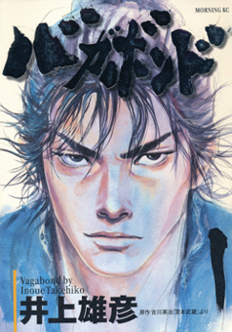
Picture the greatest samurai story ever drawn, a series so beautiful grown adults tear up over a single page, and then picture that not one frame of it has ever moved. That is the tragedy and the miracle of the Vagabond anime, because it does not exist yet! You have this gorgeous, savage, painfully human epic sitting right there in ink, and no studio on Earth has ever turned it into a show. We usually chase VTuber gossip and face reveals around here, but Vagabond has earned a full spotlight from us. Let’s walk through the story, the real history behind Musashi Miyamoto, the manga’s jaw-dropping status, and the one question every fan keeps hammering into search bars.
Grab some tea and let’s get into everything you should know about one of the most beloved series in manga history.
What Is Vagabond?
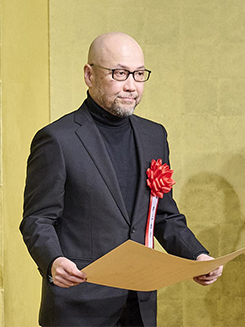
Vagabond is a seinen manga written and drawn by Takehiko Inoue. If that name rings a bell, it absolutely should. Inoue is the legend behind Slam Dunk, the basketball manga that basically taught an entire generation of readers to love the sport. He also created Real, a raw and gutting story about wheelchair basketball. So the guy was already a superstar before he ever picked up a sword.
The series started running in Kodansha’s Morning magazine back in September 1998, and it has been going (on and off, and mostly off lately) ever since. Vagabond is not an original plot, though, and that is part of what makes it special. It is a fictionalized retelling of the life of the real swordsman Miyamoto Musashi, and it leans hard on Eiji Yoshikawa’s classic 1930s novel Musashi. Inoue took that beloved book, cracked it wide open, and rebuilt it with some of the most stunning art the medium has ever produced.
This is a mature series, full stop. It is bloody, it is philosophical, and it never once holds your hand. If you love grounded historical drama with real emotional weight and characters who bleed, this one lands like a punch to the chest.
Getting Into Vagabond: The Musashi Miyamoto Story
The heart of Vagabond is Musashi Miyamoto, but he does not start out with that name. He begins as a wild, half-feral teenager called Shinmen Takezo. We meet him lying broken in a field after the Battle of Sekigahara in 1600, one of the largest and bloodiest clashes in Japanese history. He and his childhood friend Matahachi backed the losing side, and now the two of them are just scrambling to survive.
From there Takezo tears through his home village like a storm. He is violent, feared, and hunted like an animal by everyone who once knew him. Everything flips when a clever, needling monk named Takuan Soho outwits him, ties him to a tree, and forces him to actually sit with the question of who he wants to become. Takuan hands him a new name, Musashi of Miyamoto, and that name marks the true start of his journey.
The rest of the saga follows Musashi as he roams Japan chasing a single obsession, to become invincible under the heavens. He storms the famous Yoshioka school in Kyoto and takes on the entire bloodline. He faces the terrifying spear monks of Hozoin temple. And slowly, painfully, he learns that raw strength and true strength are not the same thing at all. Chasing after him the whole time is Otsu, the gentle woman who loves him, while Matahachi stumbles down a very different and much messier road full of lies, get-rich schemes, and comedy.
What makes the Musashi Miyamoto arc so unforgettable is how personal it feels. This is not just a string of duels. It is a story about loneliness, obsession, growing up too fast, and figuring out what actually makes a life worth living. And here is the kicker: the real Musashi Miyamoto existed and wrote The Book of Five Rings, so much of the philosophy Inoue pours into the pages has genuine historical roots.
The Cast That Makes Vagabond Unforgettable
Musashi carries the story, but the supporting cast is absolutely stacked. Here are the names you will fall for.
- Matahachi Hon’iden is Musashi’s childhood friend and his perfect mirror image. Where Musashi chases greatness through blood and discipline, Matahachi keeps grabbing the easy way out and then lying about it. He is frustrating, hilarious, and weirdly one of the most relatable characters in the whole thing.
- Otsu is the woman devoted to Musashi from their youth. Her loyalty and quiet heartbreak give the series its softer, aching emotional core, and her chapters hit different.
- Takuan Soho is the sharp-tongued monk who kicks off Musashi’s entire path. He is basically the wisest and funniest guy in every single room he walks into.
- Sasaki Kojiro is the big one. Kojiro is Musashi’s ultimate rival, a deaf swordsman of terrifying natural talent who fights with a massive nodachi he nicknames the Drying Pole. Inoue gives him a sprawling backstory, following him from a feral orphan child through his bond with his adoptive father figure Kanemaki Jisai. Fans are obsessed with Kojiro, and his destined clash with Musashi at Ganryujima is the fight the entire series is built to reach.
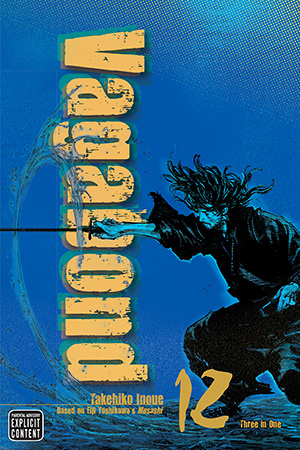
The Kojiro arc alone runs from chapter 128 to 179, and it is some of the best sequential storytelling you will ever read. Inoue straight up pauses Musashi’s journey to tell a completely separate life story, and somehow it works beautifully. That is the kind of confidence only a master gets away with.
The Vagabond Manga and Its Legendary Art
Let’s talk about the art, because the Vagabond manga is a full-blown visual masterpiece. Inoue does not just draw panels. He paints them. As the series goes on, his style drifts more and more toward brush-and-ink work that looks like traditional Japanese sumi-e painting. Rain, sweat, straining muscle, explosive motion, the dead-silent stillness a half-second before a duel, all of it lands with insane detail and control.
People who have never touched a manga in their lives will stop and stare at Vagabond pages. The linework on the duels is so kinetic you can practically hear steel slicing the air, and the quiet farming chapters near the end are strangely peaceful and heartbreakingly gorgeous. Inoue famously switched between pen and brush depending on the mood he wanted, and you can feel the whole tone of a scene shift with the tool.
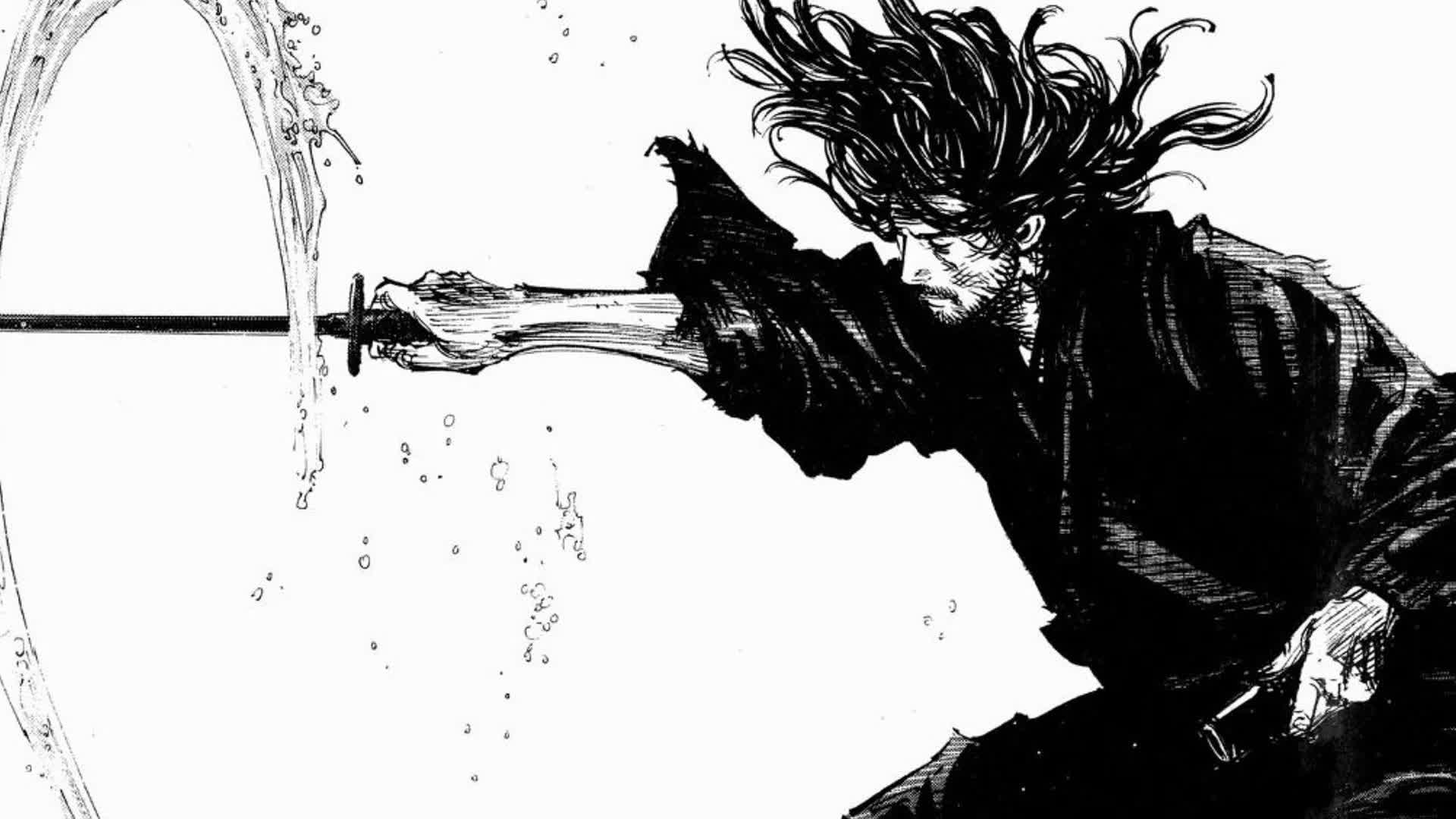
Here is an official VIZ Media look at the Vagabond: Definitive Edition, which shows off Inoue’s artwork in print.
Vagabond: Definitive Edition Vol. 1 presentation. Source: VIZ Media official YouTube.
The numbers back up all the love. The Vagabond manga has more than 82 million copies in circulation, which lands it firmly among the best-selling manga series of all time. It won the 24th Kodansha Manga Award in the general category in 2000, and it took the Grand Prize at the sixth Tezuka Osamu Cultural Prize in 2002. Critics, readers, and fellow manga artists all treat it as one of the absolute peaks of the medium.
As of now, the manga sits at 37 collected volumes and 327 chapters. The 37th volume hit shelves on April 21, 2015, and the most recent chapter, “The Man Named Tadaoki,” dropped on May 21, 2015. And then, silence.
Why There Is No Vagabond Anime Yet
Here comes the heartbreak. Despite all that acclaim and all those sales, there is no Vagabond anime. None. Not a single episode, not a movie, not an OVA. For a series this legendary, that feels almost impossible, so let’s break down exactly why.
First, the art is a nightmare to adapt. Inoue’s painterly, brush-heavy style is breathtaking on paper, but recreating that look in animation, frame after frame after frame, would be brutally expensive and painfully slow. Studios keep smashing into the same wall with a series like Berserk, where the ultra-detailed art never quite survives the jump to a screen. A cheap-looking Vagabond would feel like a betrayal, and everyone knows it.
Second, and this is the real dealbreaker, the manga is not finished. Vagabond has been on indefinite hiatus since 2015. Inoue is famously a perfectionist, and he stepped away because he felt he could no longer meet his own sky-high standards. Back in December 2010 he told fans the series would not return until he got his fire back for it. It did briefly return in 2012 as a monthly release, then it went quiet again a few years later and has stayed that way.
No studio wants to pour a fortune into adapting a masterpiece that has no ending. Without a finish line, planning a full adaptation is an enormous gamble. Do you stop the show halfway through the story? Do you invent your own ending and risk the wrath of a fiercely protective fandom? Nobody has a clean answer. So the missing ending plus the impossible-to-copy art keep scaring adaptations away year after year.
Will Vagabond Get an Anime?
This is the exact question fans type into Google every single day: will Vagabond get an anime? Right now, nothing is officially announced. But there is a real spark of hope that set the whole fandom buzzing.
Pascal Charrue, one of the co-founders of Fortiche, the studio behind the wildly acclaimed Arcane, said in a Crunchyroll interview that Vagabond is the first manga he would love to adapt if his team could pick anything. He called it a masterpiece with incredible depth and stunning artwork that would be fascinating to bring to life in animation. That is a massive deal! Arcane proved that a studio can take painterly, hand-crafted visuals and turn them into some of the most breathtaking animation ever aired, so Fortiche is honestly one of the only studios fans actually trust to pull this off.
Here is the post that set the fandom off, sharing Charrue’s answer from the interview.
Fortiche co-founder Pascal Charrue naming Vagabond as the manga he would most want to adapt. Source: @Inku_fr on X, quoting the Crunchyroll interview.
Now, wanting to make something and actually making it are two wildly different things. There is no deal, no announcement, and no timeline. Some fans even worry that a rushed or watered-down adaptation would do more harm than good, since a weak version could tarnish the reputation of a near-perfect story. For now the dream is alive and loud but unofficial, and the smart move is to enjoy the manga while the fandom keeps hoping, posting, and campaigning.
Where to Start With Vagabond
If all of this has you itching to jump in, here is the good news. You do not need an anime to fall in love with Vagabond. The manga is complete enough to be an incredible, life-changing experience on its own, even without that final chapter.
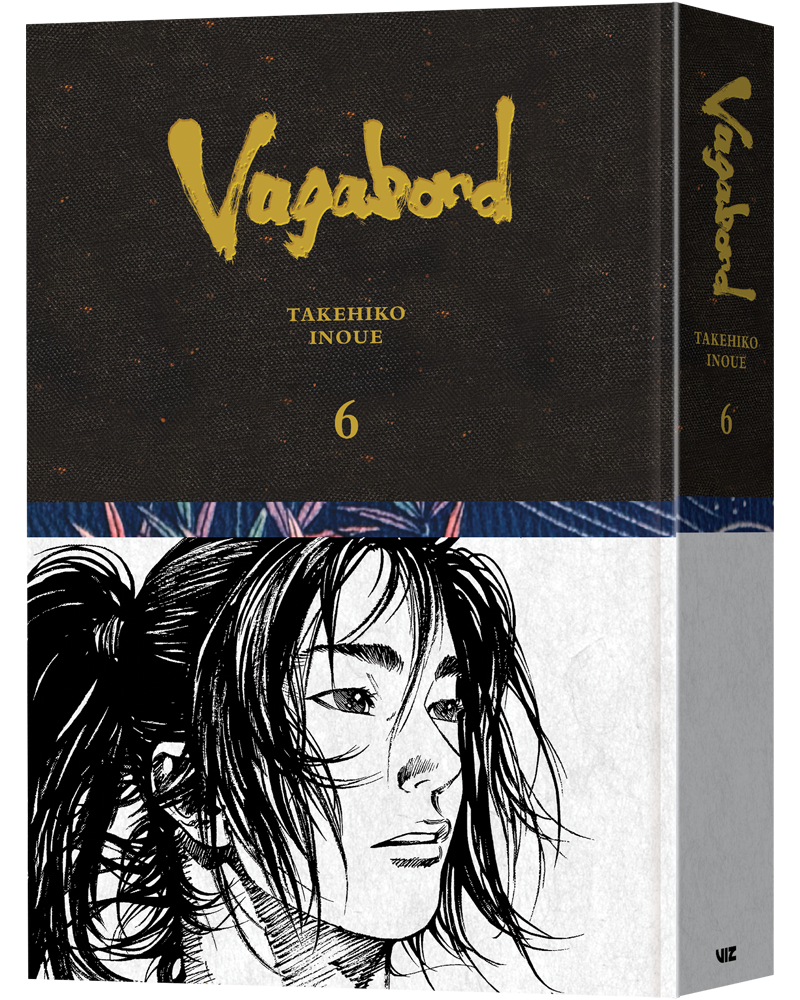
Start from volume one and just let it wash over you. The early chapters are fast, feral, and violent, and they hook you within a few pages. By the time you reach the Yoshioka duels and the Kojiro arc, you will completely understand why so many people call this the best manga ever made. The story may never get its perfect ending, but the journey is worth every single page.
We spend most of our days covering the streaming scene, so if you want a breather from samurai duels, swing by our guide on what a VTuber actually is or read up on Hololive and the rise of the VTuber. And if a striking silver-haired swordsman like Kojiro is your type, you will probably enjoy our list of top white and silver-haired VTubers.
Frequently Asked Questions
Is there a Vagabond anime?
No, there is no Vagabond anime right now. The series has never been adapted into a show, an OVA, or a movie, which genuinely shocks a lot of new fans given how famous the manga is. The only way to experience Vagabond today is to read it.
Will Vagabond get an anime in the future?
Nothing is officially confirmed, but there is real hope. Pascal Charrue of Fortiche, the studio behind Arcane, said in an interview that Vagabond is the first manga he would love to adapt. No deal exists yet, so fans are watching and waiting to see if a Vagabond anime ever gets the green light.
Is Vagabond finished?
Not exactly. The Vagabond manga has been on indefinite hiatus since 2015, sitting at 37 volumes and 327 chapters. Creator Takehiko Inoue paused it because he felt he could not meet his own standards, and it has not resumed since.
Is Musashi Miyamoto a real person?
Yes! Musashi Miyamoto was a real Japanese swordsman who lived in the late 1500s and early 1600s. He was famous for his two-sword fighting style and wrote The Book of Five Rings. Vagabond is a fictionalized version of his life based on Eiji Yoshikawa’s novel.
Who made Vagabond?
Vagabond was created by Takehiko Inoue, the same artist behind the massive hit Slam Dunk and the basketball drama Real. He is widely considered one of the greatest manga artists alive, and Vagabond shows off his painting-style art at its absolute peak.
How does Vagabond compare to the anime it should have gotten?
Since there is no anime, the manga is the definitive version, and honestly it might beat any adaptation could ever produce. Inoue’s brush art creates a mood animation would struggle to match, so many fans argue the Vagabond manga is best enjoyed exactly as it already is.