What Is Manga? Japanese Manga Explained for Beginners
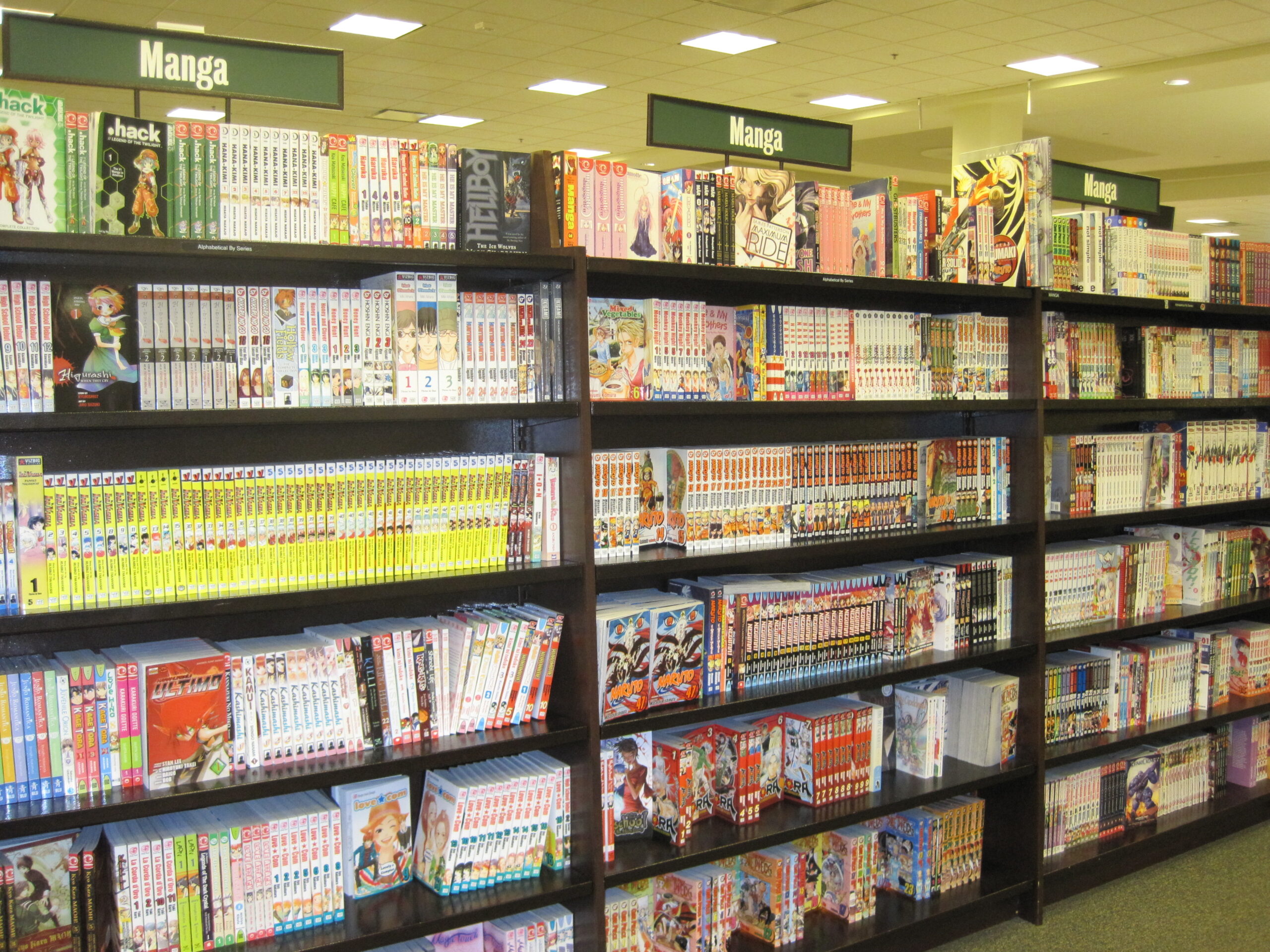
You have seen the panels. The guy with the sword screaming at the sky. The girl with the huge eyes having an internal monologue that takes up three pages. The fight scene that somehow makes perfect sense even though half the panels are speed lines and sound effects. That is japanese manga, and it quietly runs the entire fandom you love! Almost every anime you have ever screamed about started as ink on cheap paper that a stranger cranked out under a brutal weekly deadline. You have probably heard the word tossed around a hundred times, and you might even have a shelf full of the stuff already. But if someone put you on the spot and asked you to explain it in one sentence, could you? Do not panic, because most fans freeze up on that one too. Manga is the beating heart behind almost every anime you binge, every waifu you fall for, and every meme that floods your timeline.
We are going to break down the definition, the history, the reading direction that trips everyone up, the demographics, the manga vs anime split, and the sales numbers that will make your jaw drop. Grab a snack and let’s go!
What Is Manga? The Simple Definition
Here is the easy definition manga fans wish someone had handed them on day one. Manga is Japanese comics. That is the simplest and most accurate answer! The word itself smashes together two characters, “man” meaning whimsical or playful, and “ga” meaning pictures. So the literal translation lands somewhere around “whimsical pictures,” which is honestly adorable for a medium that also gave us demons devouring villages.
One thing to lock in early. Manga is not a genre. It is a format, and inside that format you will find every genre imaginable. It is also not just any old comic book. It has its own look, its own rhythm, and its own rules. The art tends to be black and white on cheap newsprint paper, packed with big expressive eyes, dramatic speed lines, and those little sweat drops and popping forehead veins that tell you exactly how a character feels before they say a word. A single sweat drop can say more about someone’s mental state than a whole paragraph of dialogue. Stories run for years, sometimes decades, and they cover literally everything. Pirates hunting treasure, high schoolers fumbling their first crush, chefs waging war over a single bowl of ramen, teenagers slaying demons at midnight. If you can dream it, there is a manga about it, and probably a weird spinoff too.
The short version of the “what is manga” question? It is Japanese comics, and it is the source material for a giant chunk of the anime, games, and fan culture you already obsess over.
A Quick History of Japanese Manga
Japanese manga did not appear overnight. Fans love to point back to the 12th century, when Buddhist monks brushed funny animal scrolls that poked fun at society. Those playful ink drawings, the famous Choju-giga, get called the earliest ancestors of the medium. Fast forward a few hundred years and Japanese artists were pumping out all kinds of illustrated satire and picture books.
The modern manga we know really took shape after World War II. American soldiers brought over western comics and Hollywood movies, and Japanese artists soaked up those influences and twisted them into something totally new. The giant in this story is Osamu Tezuka, the man behind Astro Boy.
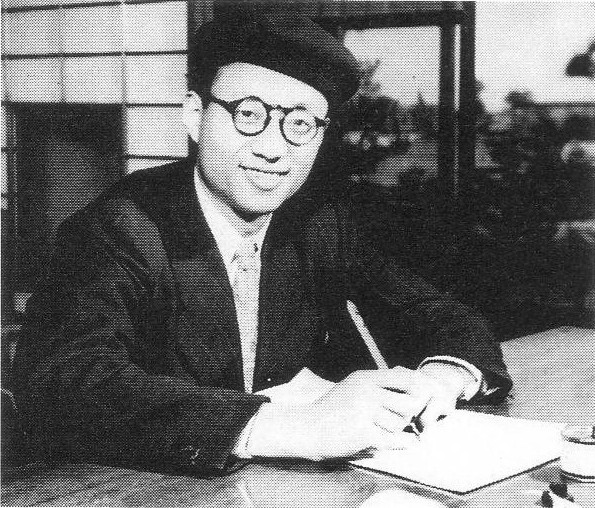
Fans crowned him the “God of Manga” for good reason! He borrowed the big, sparkly eyes from Disney animation, ran cinematic camera angles through his panels like a film director, and that style basically became the blueprint for everything that followed. Tezuka alone drew an estimated 150,000 pages across his career, so the man earned the title.
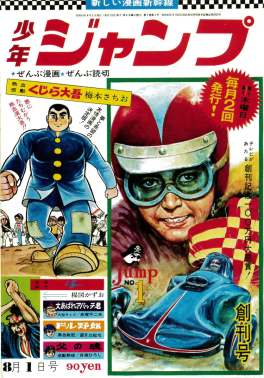
From there manga exploded. Weekly magazines like Weekly Shonen Jump grew into cultural monsters, cranking out hundreds of pages of stories every single week and selling millions of copies per issue at their peak. Readers voted with letters and survey postcards, and the least popular series got axed while the winners ran forever. That savage survival system is a big reason the biggest series are so ridiculously good. They earned every single chapter, or they got canceled and forgotten.
How to Read Japanese Manga (Right to Left)
Okay, this is the part that makes newcomers full-on panic. You crack open a fresh volume, flip to what feels like page one, and the story makes zero sense. That is because you started at the back!
Manga is read right to left, top to bottom. You start at the top right corner of the page and work your way to the bottom left. Same goes for the order of the panels, and same goes for the speech bubbles inside each panel. The book itself opens from what westerners think of as the back cover, so the spine sits on your right.
Why? It traces back to traditional Japanese writing, which runs in vertical columns from right to left. Manga simply followed the writing it grew up with. In the early days, English publishers used to “flip” the artwork so it read left to right for western eyes. Fans hated it! Flipping mangled the art, turned right-handed swordsmen into lefties, and reversed every logo, tattoo, and background sign. So companies like Viz Media switched to keeping the original right to left format, and now that is the gold standard.
A little tip for you. Most english volumes slap a “stop, you are reading the wrong way” warning on the back cover with a tiny diagram and an arrow. If you ever feel lost, just remember top right first, bottom left last. It takes about five minutes to get used to, and then it feels completely natural.
Manga Demographics: Shonen, Shojo, Seinen, and Josei
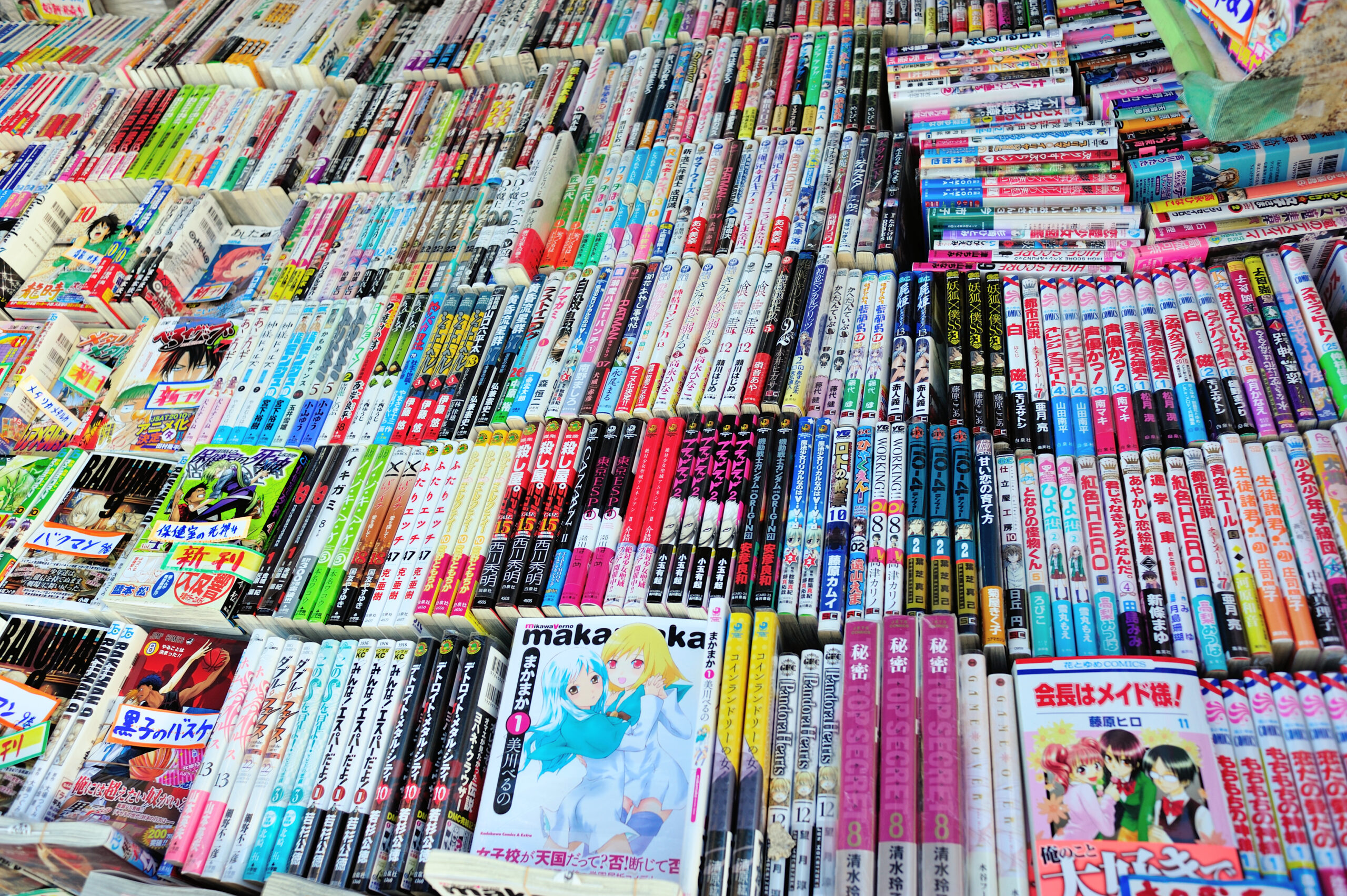
Here is where a lot of people get tangled up, so let’s clear it up fast. These four words are not genres. They are demographics, which just means the audience a magazine was originally chasing. A single manga can be action, romance, horror, or comedy inside any of these buckets, so do not treat them as flavors.
Shonen aims at teen boys, roughly 12 to 18. Think huge fights, ride-or-die friendship, and never giving up no matter how many arms you lose. This is where One Piece, Naruto, Dragon Ball, and My Hero Academia live.
Shojo targets teen girls, roughly 10 to 18. Expect gorgeous flowing art, sparkles everywhere, emotional romance, and beautiful people being gloriously dramatic. Sailor Moon and Fruits Basket are the classic examples.
Seinen is written for adult men, roughly 18 to 40. Stories get darker, bloodier, and way more complex here. Berserk, Vinland Saga, and Tokyo Ghoul all sit in this camp.
Josei is the grown-up counterpart aimed at adult women, leaning into realistic romance, workplace drama, and messy relationships that actually sting.
Now the fun secret! These labels barely reflect who really reads what. Tons of women love shonen, plenty of teens devour seinen, and josei pulls fans of every age. The demographic tells you who the publisher was targeting, not who is allowed to enjoy it. Read whatever hooks you and ignore the box it came in.
Manga vs Anime: What Is the Difference
The classic beginner question is manga vs anime, and the answer is simpler than you fear. Manga is the comic. Anime is the animated show or movie. One you read, one you watch. Most of the time the manga comes first and the anime is the adaptation built on top of it.
But the manga vs anime debate runs deeper, and fans argue about it constantly online. Manga is usually the writer’s pure, uncut vision, drawn by one artist or a tiny team, with no budget cap on wild fight scenes or massive crowds. It moves at your pace. You can linger on a gorgeous splash page for ten minutes or blast through a whole arc in one caffeinated sitting.
Anime adds color, motion, voice acting, music, and those goosebump-inducing opening songs you will hum for weeks. But it also costs a fortune and takes a small army of animators to make, so studios sometimes cut corners, tweak scenes, or pad things out with “filler” episodes that never existed in the manga. That is exactly why you will hear fans insist “the manga did it better.” A lot of the time they are dead right. The manga often carries extra detail, deleted moments, and story that the anime sprinted past or skipped entirely.
Neither one wins across the board. Anime is easier to jump into and shares beautifully with friends on movie night. Manga hands you the full story and rockets you way ahead of the show. Smart fans do both and refuse to pick sides.
How Japanese Manga and Anime Series Connect
Let’s talk about the pipeline, because reading japanese manga and anime series as one big machine is the real key here. Nearly every famous anime you can name started life as a manga. The comic builds a fanbase first, and if it sells well enough, a studio swoops in to turn it into a show. The entire industry is built around this loop.
The process goes something like this. A manga runs in a magazine and starts racking up volume sales. Production companies watch those numbers like hawks circling a field. Once a series proves it has a loyal, spending crowd, a studio buys the rights, hires a director, redesigns the characters for smooth motion, records the voice cast, and animates it frame by frame. From the green light to the first episode airing usually takes one to two years, so an adaptation announced today might not hit your screen until 2028 or beyond. Patience, friend.
One Piece is the textbook example of that comic-to-anime loop, and Toei Animation’s official channel shows exactly why fans stay hooked.
The One Piece Episode 1000 special opening “We Are!” from the official Toei Animation channel.
There is a catch that creates endless drama. Anime often gets made while the manga is still ongoing. That means the show can actually catch up to the comic, which forces the studio to slow down, add filler, or slam the brakes and wait for the author to write more. This is exactly why so many long-running shows vanish for multi-year gaps between seasons and leave you screaming into the void.
The pipeline is also spilling far beyond Japan. Korean webtoons like Solo Leveling proved the same machine works with material from across Asia, and now studios are adapting stories from everywhere.
The official Solo Leveling anime trailer from Crunchyroll, adapted from the hit Korean webtoon. But the core loop never changes. Popular comic, hungry studio, brand new anime. This whole cycle of japanese manga and anime series is why the industry never runs out of fresh shows to hook you.
If you love this crossover of comics, animation, and internet fandom, it is the exact same energy powering the VTuber scene, where creators build anime-style avatars and turn them into full-blown personalities. You can see how deep it goes in our guide to what a VTuber actually is, and in the story of how Hololive built a VTuber empire on that same aesthetic.
The Best-Selling Japanese Manga Ever
Want proof of how massive japanese manga really is? These sales numbers speak for themselves, and they are absolutely bonkers.
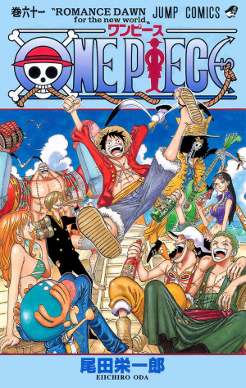
One Piece is the undisputed king. Eiichiro Oda’s pirate epic has cleared over 500 million copies in print and holds the Guinness World Record for the most copies published for the same comic book series by a single author. It smashed the half-billion mark and keeps climbing, topping Japan’s yearly sales charts again and again while it barrels toward its final saga.
Dragon Ball by Akira Toriyama sits around 260 million copies. This is the series that basically taught the entire planet what shonen action looks like, and its fingerprints are stamped on almost every fighting manga that came after it.
Naruto by Masashi Kishimoto has sold over 250 million copies worldwide. The ninja saga turned a lonely, prank-loving kid with an impossible dream into one of the most recognizable characters on Earth.
Behind those three you have giants like Golgo 13, which has run since 1969 and passed 300 million copies, plus Demon Slayer, which sold tens of millions in a matter of months once its anime detonated. Toss in Attack on Titan, Bleach, and Slam Dunk and the shelf gets crowded fast. Here is the beautiful part! Almost every title on that best-seller list also became a monster hit anime. The comic built the fanbase, the anime supercharged it, and the sales rocketed even higher. That feedback loop is the whole reason japanese manga is a multi-billion dollar force that shows no sign of cooling down.
Frequently Asked Questions
Is manga just Japanese comics?
Pretty much, yes! Manga specifically means comics made in Japan, drawn in that recognizable style and usually read right to left. Comics from Korea are called manhwa, and Chinese ones are called manhua. Same idea, different countries, slightly different vibes.
Do you read japanese manga right to left?
Yes. You start in the top right corner of the page and end in the bottom left, and the book opens from the western “back” cover. Most english editions print a little guide on the last page to help you get the hang of it. It feels weird for about five minutes and then becomes second nature.
What is the difference between manga and anime?
Manga is the printed comic you read, and anime is the animated version you watch. The manga almost always comes first, and the anime adapts it into a show with color, sound, and voice acting. Fans often argue the manga packs more detail and story, while the anime is easier to share with friends.
Is manga only for kids?
Not even close! There is manga for every age group. Shonen and shojo aim at teens, while seinen and josei are written for adults and can get seriously dark, violent, or mature. There is a manga out there for literally every reader alive.
Do I need to read the manga if I watch the anime?
You do not have to, but tons of fans love reading ahead. Manga often includes scenes the anime skipped and gets you to the story way faster than waiting for new seasons. If a show ends on a brutal cliffhanger, the manga is usually where the next chapter already lives.
Related
Wrapping Up
There you have it! Japanese manga is simply Japanese comics, read right to left, sorted into audience buckets like shonen and shojo, and it is the source material behind nearly every anime you love. It carries a history stretching back centuries, a survival-of-the-fittest magazine system that produced some of the greatest stories ever told, and sales figures that make Hollywood look sleepy.
So next time someone puts you on the spot about what manga is, you can hit them with the full breakdown and watch their eyes go wide. Now go grab a volume, flip to the right side, and start reading. Welcome to the rabbit hole. It is deeper than it looks, and that is a good thing. Happy manga hunting, folks!