Is Avatar: The Last Airbender an Anime?
Drop the question “is Avatar: The Last Airbender an anime” into any group chat and you basically pull the pin on a grenade. Within seconds one friend is quoting Wikipedia, another is screaming about Zuko’s redemption arc, and somebody has left the chat in disgust!
We love this fight, honestly. It has been raging since the show first hit Nickelodeon back in 2005, and it never gets old because both sides are absolutely convinced the other side is out of their mind. So we’re settling it right here. We’ll break down where the Avatar anime debate actually comes from, what the word “anime” really means, who made the show, who animated it, and why it feels so different from every Saturday morning cartoon you grew up on. By the end you’ll have the perfect answer locked and loaded.
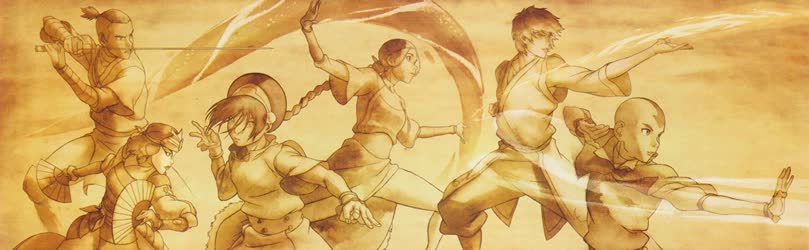
So Is Avatar: The Last Airbender an Anime?
Here’s the short version so you can win the argument fast. By the strict definition most people use in the West, no, Avatar: The Last Airbender is not an anime. It is an American animated series created for Nickelodeon. But by the definition used in Japan, and by the way the show looks, moves, and tells its story, you can absolutely make the case that it is one.
That split is the entire reason this argument refuses to die. There is no single ruling that satisfies everyone, because each camp is playing by a different rulebook. The people who say no are talking about where the show was made. The people who say yes are talking about how the show feels. Neither group is wrong! They are answering two completely different questions while assuming they are the same one.
What Actually Counts as Anime? The Anime vs Cartoon Question
To get anywhere we have to draw the anime vs cartoon line, and this is where things get spicy.
In Japan, “anime” is just short for animation. It means any cartoon at all. SpongeBob is anime in Japan. Mickey Mouse is anime in Japan. The word carries zero special meaning about art style or country of origin. It literally just means a drawn moving picture, full stop.
Outside Japan the word got handed a much narrower job. When most English speakers say anime, they mean animation made in Japan or built from Japanese source material like a manga. Dragon Ball, Naruto, One Piece, Sailor Moon, all of it pours out of Japanese studios. That is the mental checklist most fans run when they ask “is avatar an anime.” Made in Japan? Anime. Made anywhere else? Cartoon.
By that Western checklist, Avatar fails on a technicality. It was not produced in Japan, so the answer flips to no. But hold on, because that checklist is doing a ton of heavy lifting, and plenty of fans think it is way too strict to be useful.
The Avatar Anime Debate: Where Fans Split
The Avatar anime debate really boils down to one juicy question. Do we judge a show by its passport or by its personality?
Team Cartoon says passport. If it wasn’t born in Japan, it is not anime, end of discussion. Clean, simple, easy to defend in one sentence. They point out that if every anime-flavored show counts as anime, the word stops meaning anything at all.
Team Anime says personality. They argue that Avatar shares way more DNA with Fullmetal Alchemist than it does with Fairly OddParents. Serialized story, long character arcs, a real ending, morally grey villains, and action animation that clearly studied Japanese shonen frame by frame. If it walks like an anime and fights like an anime, why are we so obsessed with the birth certificate?
This is exactly why the show keeps popping up on anime tier lists, anime recommendation threads, and even some streaming anime sections. Fans file it under anime because that is the crowd it hangs out with, official label be darned.
Who Made Avatar and Where It Was Animated
Time for the receipts. Avatar: The Last Airbender was created by Michael Dante DiMartino and Bryan Konietzko, two American guys the fandom lovingly calls “Bryke.” They met as students at the Rhode Island School of Design in the 90s, where DiMartino studied film and animation and Konietzko studied illustration, and they bonded hard over epic fantasy, old kung fu movies, Eastern philosophy, and a shared obsession with Japanese anime. The show ran on Nickelodeon from February 2005 to July 2008 across three seasons, or “books” as the series calls them.

So on paper this is an American production, American creators, American network, produced through Nickelodeon Animation Studio. Case closed for Team Cartoon, right? Not so fast!
Here comes the fun twist. The actual frame-by-frame animation was done overseas by Korean studios, led by JM Animation, with backup from DR Movie and MOI Animation. JM Animation, a Seoul studio founded in 1997, handled 32 of the show’s episodes across all three books and knocked the premiere clean out of the park. Bryke were reportedly stunned by the quality, the emotional acting, and the dynamic fight choreography the Korean teams delivered. MOI Animation, a spin-off of DR Movie, jumped in on Book Three and worked on ten episodes. And the animation director steering the ship, Yoo Jae-Myung, later left to found his own studio, Studio Mir, in 2010.

So the brains were American, the network was American, and the hands drawing every single frame belonged to Korean studios that specialize in the exact style anime fans go feral for. That mix is a massive part of why the show sits in such a weird, wonderful spot.
The Anime DNA: Why It Looks and Feels Like One
Even if you ride hard for Team Cartoon, you cannot deny that Avatar is absolutely soaked in anime influence. And it was not an accident. Bryke wanted it that way on purpose.
Look at the character designs. Big expressive eyes, exaggerated emotional reactions, sweatdrops, chibi gag faces the second someone gets flustered. That is anime visual language, straight up. Now watch a bending fight. Dynamic action poses, speed lines, elemental attacks choreographed like a classic shonen showdown. The way Aang launches an air blast would feel right at home next to a Dragon Ball Z energy wave.
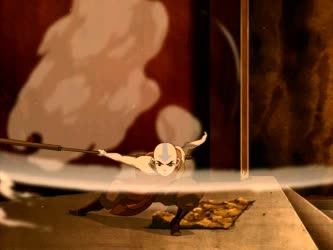
Here is the original animated opening in motion, showing off the bending choreography the Korean studios brought to life. Watch how the fight animation moves and see for yourself why fans keep calling it anime.
Official Avatar: The Last Airbender theme and opening credits, via the Nicktoons (Nickelodeon) YouTube channel.
Then there is the storytelling, which might be the strongest argument of all. Avatar committed to a single overarching plot with a real beginning, middle, and end. Characters grew up, changed, screwed up, and carried the consequences across dozens of episodes. Zuko’s redemption arc is one of the most praised character journeys in the history of animation, and that kind of patient long game is pure anime tradition. Most Western cartoons of that era smashed a reset button every single episode. Avatar flat out refused to.
The world itself leans hard into Asian culture too, pulling from Chinese martial arts, calligraphy, clothing, and philosophy to build its four nations. The bending styles were modeled on real kung fu disciplines, so waterbending, earthbending, firebending, and airbending each move like a distinct fighting school. Add it all up and you get a show that feels far closer to Japanese animation than to anything else airing on Nickelodeon at the time.
Anime Influenced Western Shows and Where Avatar Fits
Avatar is not out here alone, either. There is a whole family of anime influenced western shows, and understanding that group helps put the entire argument in context.
Think about Teen Titans, which borrowed anime gag faces and action beats wholesale. Think about Ben 10, RWBY, and Netflix’s Castlevania. Fans even coined a nickname for this in-between category: “amerime,” a mashup of American and anime. These shows are built outside Japan but wear their anime inspiration proudly on their sleeves. Some folks prefer the tidier labels anime-influenced or anime-inspired, which get the same point across.
Here is the thing, though. Avatar might be the crown jewel of that entire category. It went further, committed harder, and pulled it off with more polish than almost any Western show before or since. That is why it keeps getting yanked into the anime conversation while something like Danny Phantom never does. Avatar earned the confusion by being genuinely that good at the anime thing.
This same anime energy is exactly what powers other corners of fandom too. It is a huge reason Hololive and the whole VTuber boom blew up the way it did. If you have ever wondered what a VTuber even is, the short answer is people running with that same anime-inspired look and personality in a live streaming format. Anime fandom and its cousins all feed the same fire.
The Creators Themselves Are Not Even Sure
Want to know the best part of this whole thing? Bryke themselves have basically shrugged at the question.
DiMartino has said the crew wanted to make a love letter to anime, not just copy it. They pulled from the stuff they loved without pretending to be a Japanese studio. When asked point blank whether Avatar counts as anime, he made the great point that you could ask twenty top Japanese directors the same question and get twenty different answers, because anime itself is not one single locked-down thing.
Honestly? That answer is perfect. The creators built a show that lives in the space between two traditions on purpose, so of course it refuses to squeeze into one tidy box. They were not setting out to make an anime or a cartoon. They were setting out to make Avatar, and Avatar turned out to be its own gorgeous animal.
So the next time someone hits you with “is avatar: the last airbender an anime,” the truest answer might be that it is a beautiful hybrid stealing the best of both worlds. Call it a cartoon if you want to be technical. Call it anime if you go by vibe and the Japanese definition. Just know the show was designed to blur that line from day one.
Frequently Asked Questions
Is Avatar: The Last Airbender an anime or a cartoon?
Technically it is an American cartoon, since it was created for Nickelodeon by Americans Michael Dante DiMartino and Bryan Konietzko. But its Korean animation, anime-style visuals, and serialized storytelling make it feel far more like an anime than a typical cartoon. Both labels have a fair claim, which is why fans keep fighting about it.
Why do so many people call Avatar an anime?
Because it looks and moves like one! The big expressive eyes, gag faces, shonen-style fight choreography, long character arcs, and Asian-inspired world all come straight from Japanese animation. Fans keep filing it under anime because it hangs out with that crowd stylistically.
Who actually animated Avatar: The Last Airbender?
The show was created in America but animated overseas by Korean studios, led by JM Animation, with DR Movie and MOI Animation helping out. JM Animation handled 32 episodes across all three books. Animation director Yoo Jae-Myung later founded Studio Mir in 2010, which went on to animate the sequel The Legend of Korra.
Did the creators of Avatar mean for it to feel like anime?
Yes! DiMartino said the team wanted to make a love letter to anime, not just copy it. They pulled heavily from Japanese animation, kung fu films, and Eastern philosophy while still building something completely original.
Is The Legend of Korra an anime too?
Same deal as Avatar. Korra is an American series animated by a Korean studio, Studio Mir, in a heavy anime style. It sits in the exact same in-between space as the original show.
What does “amerime” mean?
Amerime is a fan nickname for anime influenced western shows. It smashes together “American” and “anime” to describe series made outside Japan that clearly borrow the anime look and feel. Avatar is often crowned the best example of the whole category.
Related
Final Verdict
So, is Avatar: The Last Airbender an anime? By the strict Western rule that anime must come from Japan, no. By the Japanese meaning of the word and by pure style, absolutely yes. The honest answer is that it is a stunning hybrid built by American creators, animated by Korean studios, and inspired top to bottom by the anime its makers grew up loving. However you label it, one thing is not up for debate. Avatar is a masterpiece, and that is exactly why we are still arguing about it all these years later. That’s the whole story!