What Is Anime? A Beginner’s Guide to Japanese Animation
You have seen the clips. The guy with spiky hair screaming as his hair turns gold. The girl slicing a monster in half. The quiet rooftop scene at sunset that somehow makes you emotional. That is anime, and once it hooks you, it does not let go. So if you have ever typed “what is anime” into a search bar, you are in exactly the right place. In this beginner’s guide we will break down exactly what is anime, where the word came from, and why millions of us are hopelessly obsessed. By the end you will know the definition of anime, how it started, and which show to press play on first. No gatekeeping, no “you have to watch these 50 classics first,” just the actual basics. Let’s go!
Anime is everywhere in 2026. It headlines Netflix, it runs the meme economy on TikTok, it packs out movie theaters, and it shapes the whole VTuber scene we adore around here. Understanding what is anime is basically step one to enjoying a giant slice of modern internet culture, so you are starting in the right spot.
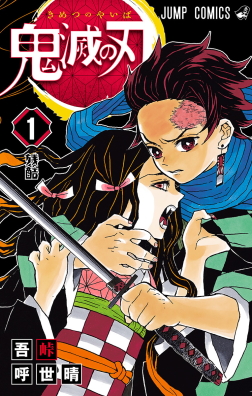
Want to see what modern anime actually looks like in motion? Here is the official Demon Slayer trailer from Crunchyroll to give you a taste before we dig in.
What Is Anime? The Simple Definition
Here is the short answer you can memorize right now. Anime is animation that comes from Japan. That is the simplest, most accurate answer, and it is the core definition of anime that fans and English dictionaries agree on. If it is animated and it is made in Japan, congratulations, it is anime.
Simple, right? But there is a fun twist. Inside Japan, the word “anime” means any animation at all. To someone in Tokyo, SpongeBob is anime, Mickey Mouse is anime, and Frozen is anime too. Everything that moves on a screen gets that label, no exceptions.
Outside Japan though, we use the word differently. When we say anime, we mean that specific Japanese style and Japanese origin. Picture Naruto, Dragon Ball, Demon Slayer, Attack on Titan, and Spirited Away. Those are the shows and movies that pop into your head, and that is the definition of anime most of us reach for every single day.
So the quick version is this. Anime is Japanese animation with its own signature look, its own storytelling rhythm, and a fanbase that stretches across the entire planet. Now let’s rewind and see where that little word actually came from.
Anime Meaning: Where Does the Word Come From?
Here is a fact that trips almost everyone up. The word “anime” is not some ancient Japanese term passed down through the centuries. The anime meaning traces straight back to English. It is a shortened version of the English word “animation.”
Japanese writes “animation” in katakana as animeeshon, then clipped it down to a snappier “anime,” and it stuck like glue. That is the whole anime meaning in a nutshell. It is a loanword that got trimmed, adopted, and then shipped right back out to the rest of the world with a brand new flavor. Japan loves shrinking borrowed English words down to something punchy, and this one is the all-time champion.
You might hear someone swear the term came from the French phrase “dessin anime,” meaning animated drawing. That one is a myth, honestly, born from how huge anime got in France during the late 1970s and 1980s. The real story is the English one. The abbreviation caught fire in Japan through the 1970s, and by the end of that decade everyone knew exactly what it pointed to.
So when someone asks what does anime mean, you can hit them with both answers. Technically, anime just means animation. Practically, out here in the West, anime means animation made in Japan with that unmistakable style. Both answers are correct, and knowing the split makes you sound like you actually know your stuff at the party.
What Does Anime Mean Today?
Language keeps evolving, and the anime meaning has stretched way past a dictionary line. Ask what does anime mean to a modern fan and you will not get a definition. You will get a whole vibe delivered with way too much passion.
For most of us today, anime means a feeling. It means dramatic transformations, emotional character arcs, absurd power-ups, breathtaking scenery shots, and stories that are not the least bit afraid to make you sob. It means openings you rewatch a hundred times and finales that leave you staring at the wall for a week.
That is why the “what does anime mean” question sparks so many wars online. Some people insist a show only counts as anime if a Japanese studio animated it in Japan. Others argue the style matters more than the passport. That debate gets spicy fast, and it leads perfectly into the biggest question every new fan asks.
Anime vs Cartoon: What Is the Difference?
Okay, this is the big one everybody wants settled. The anime vs cartoon showdown! Are they the same thing? Not quite, and here is why fans will die on this hill.
On paper, both anime and cartoons are just animated drawings that move, so technically anime IS a type of cartoon. But in the real anime vs cartoon conversation, we are talking about origin, style, and storytelling. Let’s break the differences down piece by piece.
Where it is made. Anime comes from Japan. Cartoons, in the way we usually mean it, come from the West, mostly the United States. That is the first line drawn in the sand for the anime vs cartoon split, and it is the one people care about most.
The art style. Anime characters have that instantly recognizable look. Big expressive eyes, wild colorful hair, sharp facial features, and detailed backgrounds you could frame on a wall. Western cartoons tend to stay looser and more exaggerated, with rounder shapes built for fast physical comedy. Anime pours a ton of love into the setting and the character design, while cartoons often chase snappy motion and gags.
The audience. This one is huge. Cartoons in the West have long been aimed mostly at little kids. Anime is for everybody. There is anime for children, anime for teens, and loads of anime made specifically for adults with serious themes. That range is a massive part of the anime vs cartoon difference and the reason grown adults quote it daily.
The stories. Because anime targets every age group, it goes places most cartoons never touch. Anime tackles war, grief, love, trauma, politics, and death without flinching. Plots can run for hundreds of episodes with characters who grow, break, and rebuild before your eyes. A single anime arc can carry more emotional weight than an entire cartoon series, and fans will happily prove it to you.
So in the anime vs cartoon debate, they share the same DNA but grew into completely different creatures. Neither one is better or worse, they are just different, and that difference is exactly why so many of us fell head over heels for anime. It is also exactly why calling a hardcore fan’s favorite show “just a cartoon” is the fastest way to start a fight in the group chat.
A Quick History of Anime
Now that you know what is anime and how it splits from cartoons, let’s rewind and watch how it all began. The history is genuinely awesome.
Japanese animation goes way back. The earliest Japanese animated films date all the way to 1917, so this medium is over a century old! But the anime we recognize today did not truly take shape until the 1960s, when one man flipped the whole game.

Enter the legend. A manga artist and animator named Osamu Tezuka changed everything. People call him the “God of Manga,” and honestly the title is earned ten times over. On New Year’s Day in 1963, his creation Astro Boy premiered on Fuji TV and became the first popular animated series to air on Japanese television in the style that would define anime forever. It ran for 193 episodes through 1966, and at its peak roughly 40 percent of Japanese TV households were tuning in. That is bonkers reach for a brand new format.
Here is the clever part. Tezuka did not have a huge budget or a giant team. So he borrowed and simplified techniques from Disney and leaned hard into what we now call “limited animation.” Instead of drawing every tiny movement, he reused frames, held on dramatic still shots, and got creative with timing. It was meant to save money and beat impossible deadlines. Instead, it accidentally invented the entire visual language of anime. Those held frames and big emotional close-ups you love? That is Tezuka’s fingerprint, and his influence is everywhere, in every single episode airing today.
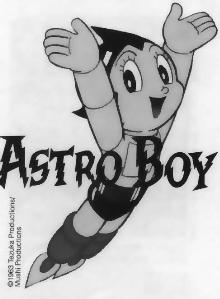
Astro Boy absolutely blew up. It became the first Japanese animated series to make it onto US television too, partly because it looked familiar enough to slot in beside American cartoons. From there anime exploded through the following decades, building a devoted audience at home in Japan before conquering living rooms all over the world.
The Main Anime Genres and Demographics
A big part of understanding what is anime is realizing it is not one single thing. Anime is not a genre, it is a medium, and under that umbrella live wildly different styles and audiences. Japanese anime gets sorted first by who it is made for, and picking up this vocabulary instantly levels up how you talk about the anime meaning.
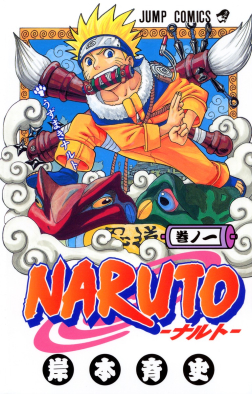
Here are the big demographic buckets you will hear thrown around constantly:
- Shounen aims at teen boys and runs on action, friendship, and never-give-up energy. Think Naruto, One Piece, and My Hero Academia.
- Shoujo aims at teen girls and leans into romance, drama, and gorgeous art. Think Sailor Moon and Fruits Basket.
- Seinen aims at adult men and goes darker and more mature. Think Berserk and Vinland Saga.
- Josei aims at adult women, with grounded, realistic relationships and slower burning stories.
On top of those, genres stack everywhere, like isekai, mecha, slice of life, horror, sports, and romantic comedy. Whatever mood you are in, there is an anime engineered for it. Saying “I don’t like anime” is like saying “I don’t like movies.” You probably just have not found the right one yet. That endless variety is exactly why the fandom is so massive and so loud, and it is why the anime vs cartoon comparison always tilts in anime’s favor for range.
What Is Anime’s Connection to VTubers?
Since you are hanging out on Dere Project, here is the bonus angle you came for. Once you understand what is anime, you basically already understand the look of VTubers too.
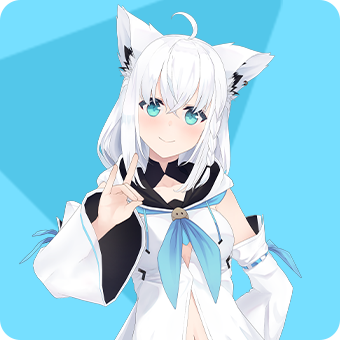
VTubers are online creators who stream and post using animated avatars, and almost every one of them rocks that anime-inspired art style. The big eyes, the colorful hair, the expressive faces, it is all pulled straight from anime. If you want the full rundown, check out our guide on what a VTuber is.
The connection runs deep. Giant agencies like Hololive built entire empires on anime-style characters, and fans obsess over their designs the same way they obsess over a favorite anime cast. There are even a bunch of different VTuber model styles, and every one of them owes a debt to the anime look Tezuka helped invent back in the day. So loving anime and loving VTubers go hand in hand, which is exactly why we blend both here.
How to Start Watching Anime
Convinced yet? Here is the part that trips people up. There are thousands of shows out there, so do not try to watch everything. Start small. You do not need to watch a hundred shows to get it. You just need one that clicks with you.
For total beginners, pick something with a clear, fun story and gorgeous visuals. Demon Slayer has jaw-dropping animation that hooks people in one episode. My Hero Academia is easy to love and loaded with heart. Death Note is a mind-bending thriller you will binge in a weekend. Spirited Away is a perfect movie night if you want something cozy, beautiful, and impossible to forget.
Here is an official key visual reveal from the Demon Slayer team to show you the kind of art that hooks new fans.
Most anime lives on streaming services like Crunchyroll and Netflix now, so it is all right at your fingertips. Try watching with subtitles first to catch the original Japanese voices, or roll with an English dub if reading pulls you out of the moment. There is genuinely no wrong way to enjoy it, so ignore anyone who gatekeeps.
Start with one show, let it sink its hooks in, and before long you will understand what is anime on a whole new level. You will be quoting openings, defending your favorite character, and arguing the anime vs cartoon debate right alongside the rest of us.
Frequently Asked Questions
What is anime in simple words?
Anime is animation that comes from Japan. It carries a distinct art style with big eyes, colorful hair, and detailed backgrounds, and it tells stories for every age group, from little kids all the way up to adults.
What does anime mean literally?
The word anime is a shortened form of the English word “animation.” Inside Japan it refers to all animation, but everywhere else it means the specific Japanese style of animated shows and movies.
Is anime just a cartoon?
Technically anime is a type of cartoon since both are animated. But in the anime vs cartoon debate, anime stands apart thanks to its Japanese origin, its detailed art style, and its stories that reach adult audiences, not just kids.
What was the first anime?
Japanese animated films date back to 1917, but Astro Boy in 1963, created by Osamu Tezuka, is the series that set the template for modern anime and launched the style we know today.
What is the difference between anime and manga?
Anime is animated Japanese shows and movies. Manga is the Japanese comic and print version. A huge number of anime series are actually adaptations of popular manga.
Why do people love anime so much?
Anime covers every genre and every emotion, from action to romance to horror. The stories go deep, the characters feel real, and the art is stunning. There really is an anime for everyone, which is why the fanbase keeps exploding year after year.
Related
Wrapping Up
There you have it! Now you know exactly what is anime, where the word came from, and how it stands tall in the anime vs cartoon showdown. Anime is Japanese animation with a signature style, over a century of history, and stories built for every kind of fan alive. Osamu Tezuka lit the spark back in 1963, and that flame is bigger and brighter than ever today. So pick a show, hit play, and welcome to the rabbit hole. It is deeper than it looks, and you are going to love it here!