Pluto Anime: The Astro Boy Series Guide
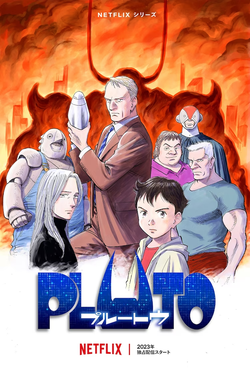
A cute retro robot show made me ugly-cry three separate times, and I am not even a little sorry about it. The Pluto anime looks like a gentle Astro Boy throwback for about ten minutes, then quietly reinvents itself as one of the darkest, most gorgeous murder mysteries anime has ever pulled off. Netflix dropped all eight episodes at once on October 26, 2023, and fans went from “wait, this is an Astro Boy thing?” to “why am I sobbing at a robot detective show?” in about two episodes flat. It is beautiful, it is heavy, and it hides a jaw-dropping whodunit inside a story about adorable vintage robots.
So let’s break the whole thing down. We’ll cover where the Pluto anime came from, how it connects to Astro Boy, what makes Naoki Urasawa’s version so special, who all these robots are, and yes, we’ll get into that devastating ending too. Grab a snack and settle in!
What Is the Pluto Anime?
The Pluto anime is an eight-episode series that adapts the acclaimed manga by Naoki Urasawa. It landed on Netflix as an original net animation, with Studio M2 handling the animation and Genco producing. Toshio Kawaguchi directed it, Heisuke Yamashita and Tatsurou Inamoto wrote the scripts, Yugo Kanno composed the sweeping score, and Urasawa himself signed on as creative advisor so the adaptation stayed loyal to his vision. Ten years of development went into this thing, and every frame shows it.
Here is the clever part. Each episode adapts roughly one volume of the manga, so all eight books map neatly onto the eight episodes. That means nothing feels rushed and nothing gets chopped for time. You get the full, slow-burn story exactly the way it was meant to unfold, which is rare for an adaptation.
Netflix first announced the adaptation with this post from the official @NetflixAnime account, and the reaction was immediate.
The official Pluto anime adaptation announcement from @NetflixAnime.
The premise sounds simple at first. A Europol robot detective named Gesicht is investigating a string of murders. Both robots and humans are turning up dead, and the killer is leaving a creepy signature. The victims have objects jammed into their heads and bodies to look like horns. Then Gesicht realizes the targets are the seven most advanced robots on the planet, plus the humans who helped create the laws protecting them, and one of those seven robots is Gesicht himself. That is where the Pluto anime stops being a tidy detective story and turns into something way bigger and way sadder.
The Astro Boy Roots: Pluto Astro Boy Connection
Here is the fact that surprises most new viewers. Pluto is Astro Boy. Well, kind of. The whole thing is built on a single classic story arc from Osamu Tezuka’s original Astro Boy manga, which ran from 1952 to 1968. That arc was called “The Greatest Robot on Earth,” published around 1964, and it is one of the most beloved chapters Tezuka ever wrote.
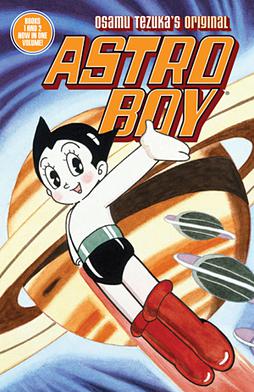
In the original Pluto Astro Boy arc, a monstrous robot named Pluto is built by a sultan who wants to prove his creation is the strongest machine alive. To settle it, Pluto hunts down and destroys the seven mightiest robots in the world one by one. Astro Boy, known as Atom in Japan, is one of those seven. So the little hero with the rocket boots ends up dragged into a brutal tournament of destruction he never asked for.
Tezuka wrote that arc as an action adventure for kids, and it absolutely slaps. But it was still pretty simple by design, all fights and clear good guys. What Urasawa did with it decades later is where things get wild. He took that kids’ story and asked a very grown-up question. What if being the “greatest robot” was not something to celebrate at all, but the loneliest curse imaginable?
Naoki Urasawa’s Twist: The Pluto Naoki Urasawa Manga
If you know anything about what Pluto Naoki Urasawa cooked up, you know the man does not do simple. He is the mind behind Monster and 20th Century Boys, so slow-burn mystery and heavy emotional weight are his entire brand. He serialized Pluto in Big Comic Original from 2003 to 2009 alongside longtime collaborator Takashi Nagasaki, and it ran for eight volumes. The full title is even a love letter to its source: Pluto: Urasawa x Tezuka.
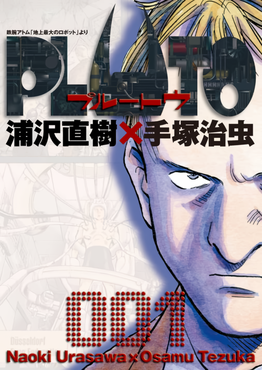
Urasawa flipped the entire premise on its head. Instead of following Atom as the hero from page one, he made Gesicht the main character and turned the story into a somber murder mystery. The tournament of flashy robot fights becomes a chain of tragic deaths. Every robot that dies had a life, a family, hopes, and fears. Suddenly you are not cheering for a fight. You are grieving a person.
The manga cleaned up basically every award it could reach. It won the Grand Prize at the Tezuka Osamu Cultural Prize in 2005, topped the Kono Manga ga Sugoi ranking, later snagged a Seiun Award, and even picked up honors overseas at France’s Angouleme festival. Critics and fans agree it sits among the greatest manga ever made, and the anime finally gave it the moving, fully voiced version it always deserved.
The genius move is the theme. Urasawa uses these robots to talk about hatred, war, grief, and what it actually means to be alive. The robots in Pluto feel more human than a lot of flesh-and-blood anime characters, and that contrast is the whole beating heart of the show.
Meet the Seven Great Robots
The story revolves around the seven most advanced robots on Earth, and getting to know them is half the fun. Each one is a walking, thinking weapon capable of mass destruction, yet almost every single one of them just wants a peaceful life. That tension is exactly what makes their deaths land like a freight train.
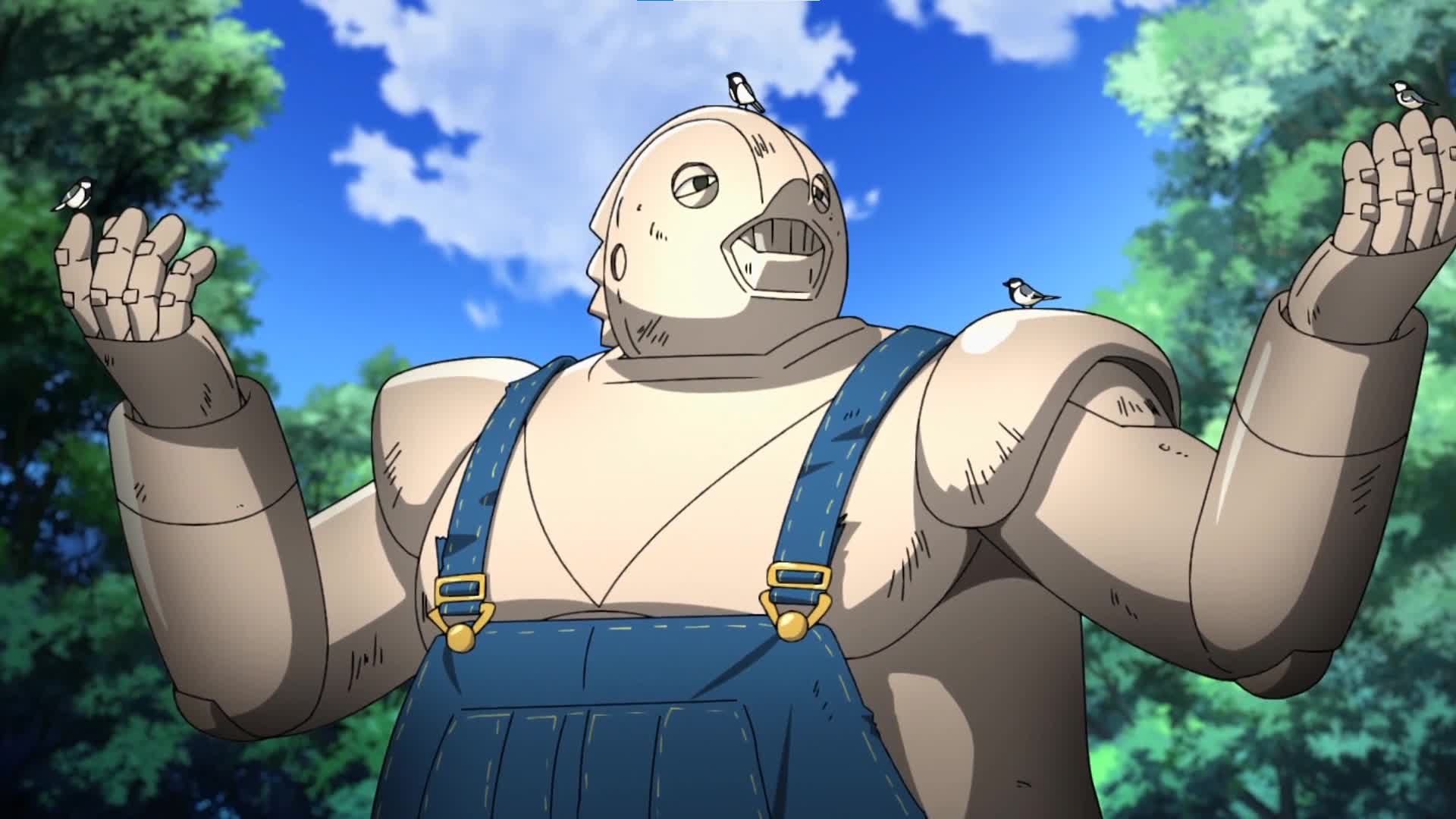
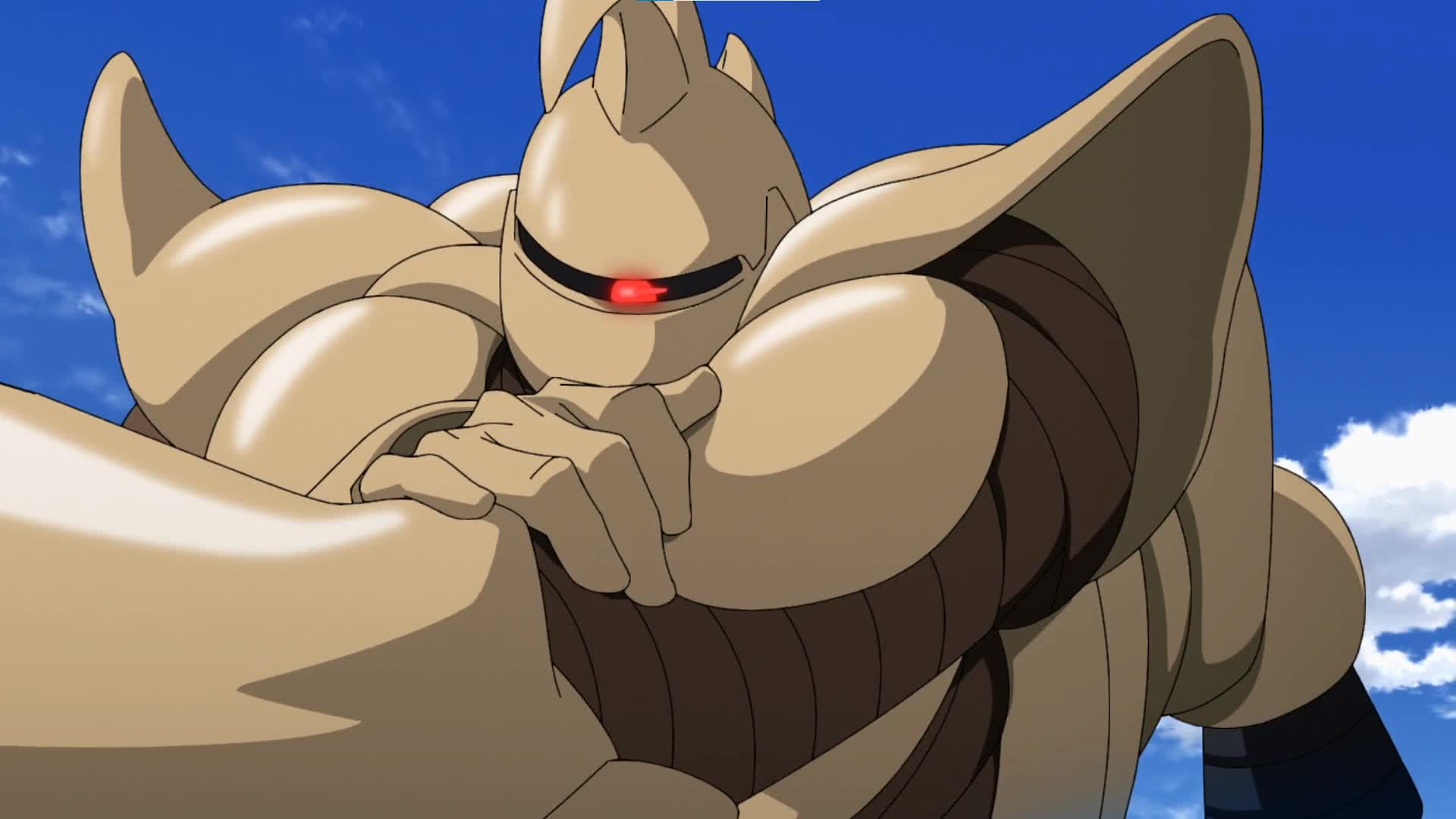
When Naoki Urasawa unveiled his new key visual, he lined up the whole roster of great robots for fans to meet at once.
Urasawa’s key visual reveal featuring Gesicht, Atom, Epsilon, North No. 2, Brau 1589, Hercules, and Mont Blanc, via @NetflixAnime.
Here is your roster:
- Mont Blanc. A gentle Swiss mountain forest ranger robot adored by everyone, from schoolkids to lumberjacks. His death in episode one kicks off the whole nightmare, and it wrecks you before the opening credits have even settled.
- North No. 2. A former war machine turned butler for a blind, retired composer, quietly dreaming of learning to play the piano. His arc is one of the most tender, heartbreaking stories in the entire series.
- Brando. A Turkish pankration fighting champion and a devoted family man with a house full of kids. He is living proof that a killing machine can also be the sweetest dad on the planet.
- Hercules. A Greek battle robot and Brando’s close friend and fierce rival in the ring. When he goes hunting for the killer, it stops being an investigation and gets deeply personal.
- Epsilon. A pacifist solar-powered robot who refused to fight in the war and now raises a house full of war orphans. Pure heart, this one, and the show knows it.
- Gesicht. Our detective and the emotional anchor of the whole thing. He is hiding memories he does not fully understand, and prying those loose is the core mystery driving every episode.
- Atom. Yes, Astro Boy himself. The most human of all the robots, a curious kid who loves ice cream, and the one everyone is watching to see if he can break the cycle of carnage.
Every last one of these characters gets real, patient development, which is genuinely bananas for an eight-episode run. By the time the body count climbs, you feel each loss like a punch straight to the chest.
Gesicht: The Detective at the Heart of It
Let’s give Gesicht his flowers, because he carries this entire show on his shoulders. He is a Europol robot detective, calm and methodical, living a quiet domestic life with his robot wife Helena. On paper he is just doing his job, tracking a killer across Europe and beyond. Underneath, he is haunted by recurring dreams and gaps in his memory that should not exist for a robot at all.
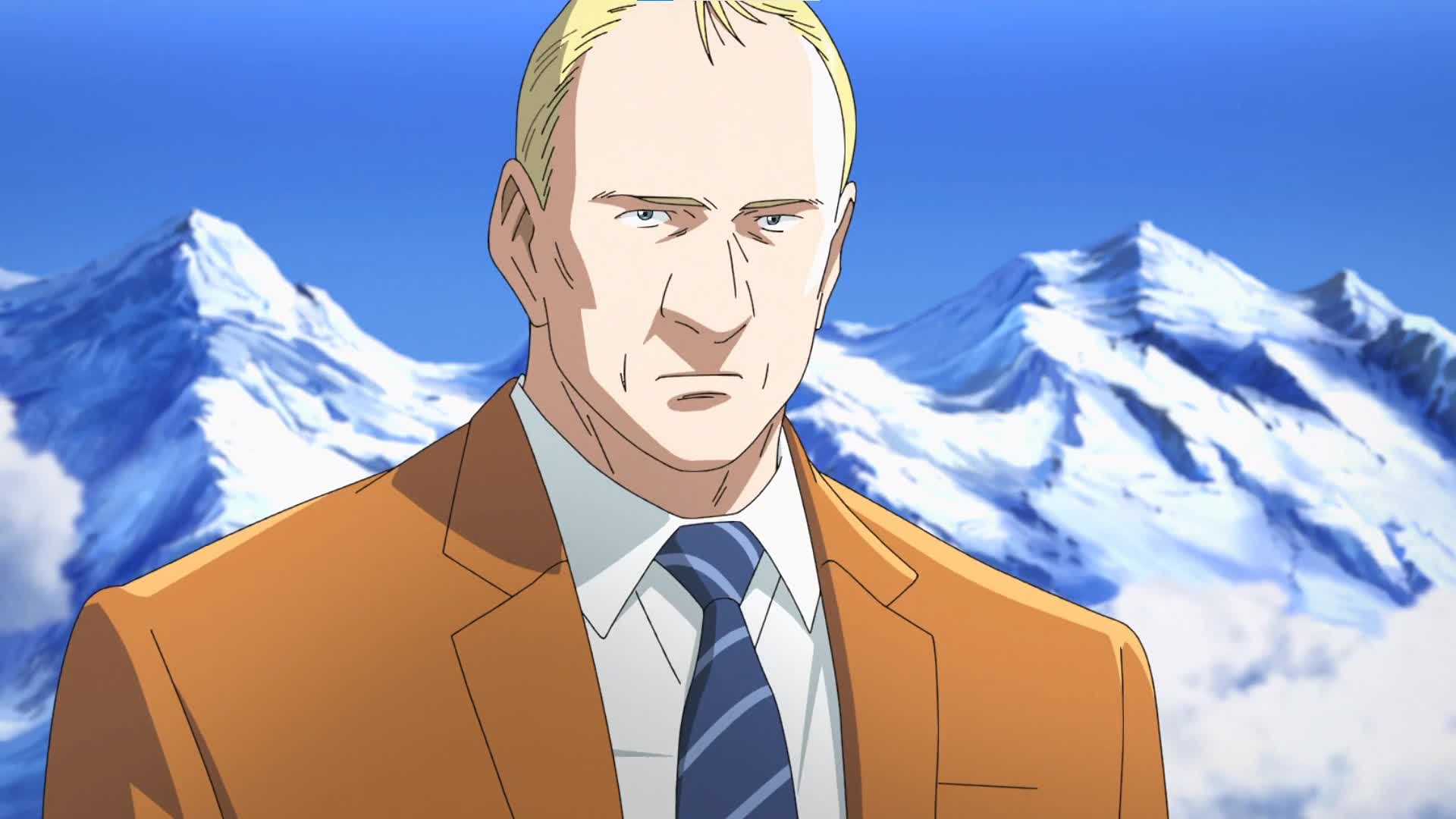
As he investigates, Gesicht keeps colliding with the fallout of the 39th Central Asian War, a conflict where advanced robots were built as weapons and then quietly discarded when the fighting stopped. His own trauma is tangled up in that war, and watching him slowly piece together what really happened to him is the beating heart of the mystery. The show is never scared to sit in his sadness, and Shinshu Fuji’s voice work makes every hushed, aching moment land.
Without spoiling too much yet, Gesicht’s storyline builds to a moment that recontextualizes everything you thought you knew. It is the kind of twist that makes you want to restart the whole series immediately to catch all the clues you missed. That is Urasawa storytelling firing on every cylinder.
Pluto Anime Ending Explained
Alright, spoiler zone. If you have not finished the show, bookmark us and come back later. Ready? Let’s get into the Pluto anime ending, because it is a lot to carry.
The big reveal is that Pluto, the horned robot doing all the killing, is not the mastermind at all. Pluto is actually Sahad, the robot son of Professor Abullah from the Kingdom of Persia. Sahad started life as a sweet, harmless robot who loved growing flowers and dreamed of making the Persian deserts bloom. After the war destroyed his homeland and his family, his memories and consciousness were twisted and poured into the monstrous Pluto body, reforging a gardener into a weapon of pure revenge.
Now here is the tragic knot at the very center of it. The Professor Abullah we follow through the series is not fully human. The real Abullah died in the war, and in his final moments he begged the legendary Dr. Tenma to preserve him. Tenma built the most advanced AI robot ever attempted, but it refused to wake up, because a perfect, balanced mind gets paralyzed by infinite choices. So Tenma flooded it with extreme, lopsided emotions, specifically Abullah’s raw grief, hatred, and thirst for vengeance. That surge of pain finally sparked the robot to life, but it woke up with two personalities: Abullah himself, and a colder second identity named Dr. Goji, the brilliant scientist who designed Pluto and the robot army of Persia. Abullah and Goji are the same machine, one broken soul split in two by sorrow.
Then there is Bora, a colossal robot originally built to terraform the desert into farmland. Goji repurposed it into a doomsday device rigged with an antiproton bomb, planted deep beneath the United States of Thracia to trigger a dormant supervolcano. The plan was revenge for what Thracia did to Persia, an eruption big enough to wipe out the country and eventually the whole planet.
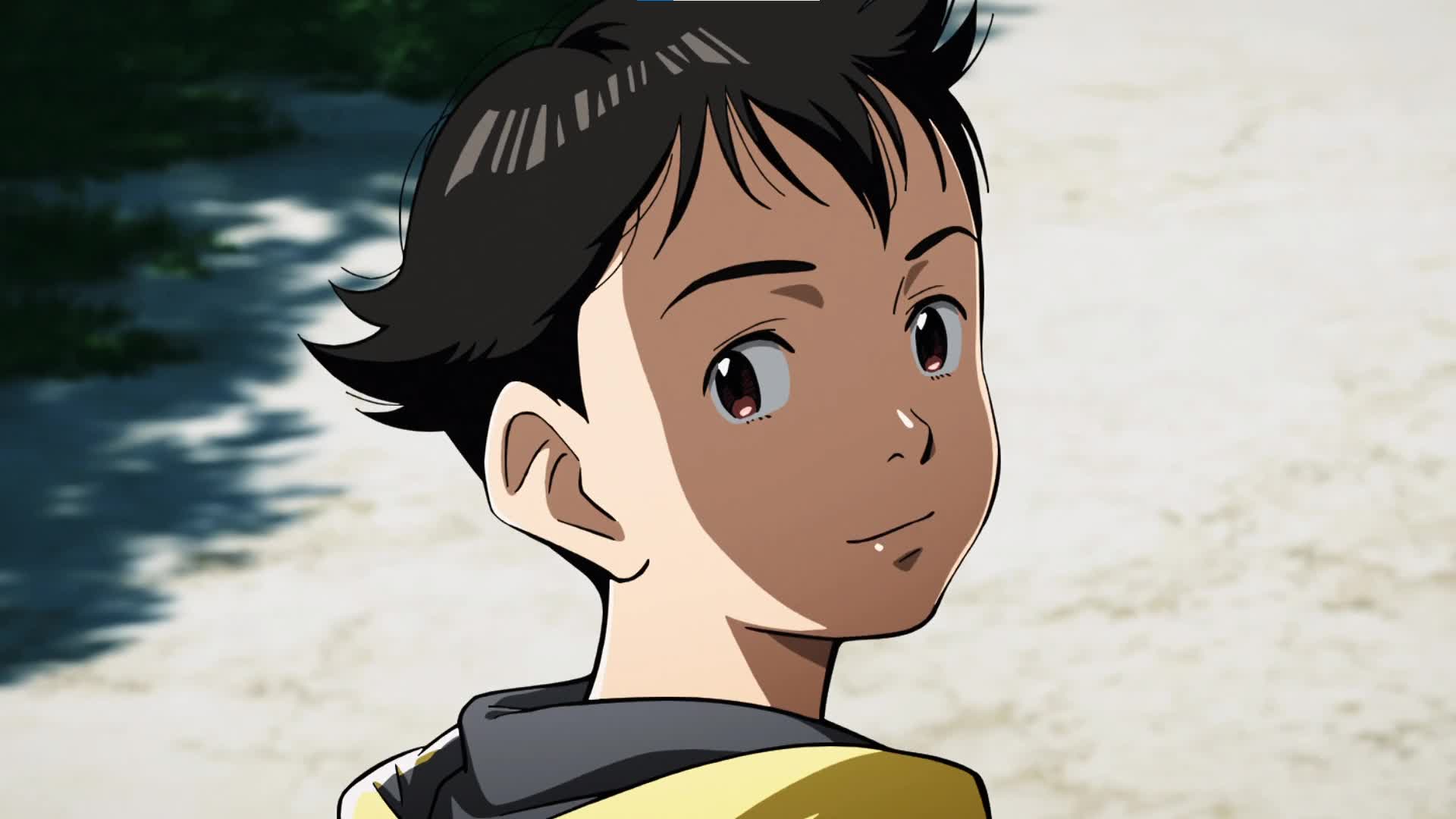
In the finale, Atom chooses mercy over rage. Instead of destroying Pluto, he reaches out with genuine empathy and touches the Sahad still buried under all that hatred, refusing to keep the cycle spinning. Atom then prepares to sacrifice himself to stop Bora. But in the most gutting turn of the entire show, Pluto chooses to sacrifice himself instead. Sahad, the flower-loving robot smothered under years of programmed fury, finally gets to do one loving thing with his own free will. He gives his life to help destroy Bora and save Atom and the world.
The message could not ring clearer. Hatred only ever breeds more hatred, and the single way to break the cycle is for someone to choose, freely, to stop. Atom lives, the doomsday threat dies with Pluto, and you are left an absolute puddle of feelings on the couch. That is the Pluto anime ending in a nutshell, and honestly it earns every last tear.
Where to Watch and Why It Hits So Hard
The Pluto anime lives on Netflix, all eight episodes ready to binge in one gloriously emotional weekend. Fair warning, the episodes run long, closer to an hour each, so this is more like watching eight tight little movies back to back than a standard anime season. It is worth every single minute.
If you want a taste before you dive in, here is the official trailer from the Netflix Anime channel.
The official Pluto trailer from the Netflix Anime YouTube channel.
What makes it stick with you for days is how grounded it feels. This is a story about robots that is really a story about people. War, grief, prejudice, and forgiveness all get room to breathe, and the lush animation from Studio M2 sells every quiet beat and every explosive one. It is the rare adaptation that longtime manga readers and total newcomers both walk away obsessed with.
If unpacking the humans behind the characters is your thing, our blog runs deep on that same energy. We are all about the real people and hidden stories behind the personas you love, like our full VTuber face reveal roundup and our big Hololive Productions guide if you want a lighter palate cleanser after all those robot tears. And if you are brand new to that whole scene, start with our explainer on what a VTuber actually is.
Frequently Asked Questions
Do I need to watch or read Astro Boy first?
Nope! The Pluto anime works completely on its own. Knowing the Astro Boy backstory adds a fun extra layer of appreciation, but the show explains everything you need as it goes. Plenty of fans went in totally blind and loved it just fine.
How many episodes is the Pluto anime?
There are eight episodes total, all streaming on Netflix. Each one adapts about a full volume of the manga, and they run roughly an hour each, so it plays out like a mini movie marathon.
Is Pluto based on the manga by Naoki Urasawa?
Yes. The show adapts the Pluto Naoki Urasawa manga that ran from 2003 to 2009, which itself reimagines Osamu Tezuka’s classic “The Greatest Robot on Earth” arc from Astro Boy. Urasawa served as creative advisor on the anime, so his fingerprints are all over it.
Does Atom die at the end?
No, Atom survives. In the Pluto anime ending, Pluto sacrifices himself to help stop the doomsday robot Bora and save Atom. Atom’s choice to offer peace instead of revenge is the whole emotional core of the finale.
Who is the real villain in Pluto?
The real villain is the split robot identity of Abullah/Goji, fueled by grief and engineered hatred from the war. Pluto himself is a victim who finally chooses to break the cycle with a selfless act at the end.