What Does Senpai Mean? Senpai and Kohai Explained
You have seen it in every school anime ever made. A nervous underclassman stares at their shoes, cheeks on fire, breathes out one trembling “senpai,” and instantly turns the whole scene into a mini coming-of-age moment. So what does senpai mean, and why does one tiny Japanese word carry so much longing, respect, and pure chaotic energy? We are going to break the whole thing down for you right here. By the end you will know exactly what senpai and kohai mean, where the “notice me senpai” meme actually came from, and whether you should spell it senpai or sempai. Grab a snack, because this little word packs a shocking amount inside it.
Ready? Let’s talk about what senpai really means, where it came from, and all the fun stuff surrounding it.
So What Does Senpai Mean, Really?
Here is the short version. Senpai (先輩) literally translates to “senior” or “predecessor.” It is the person who got there before you did. They joined the club, the school, the office, or the dojo earlier, so they have more experience and a little more standing in the group.
But that dry dictionary line does not capture what senpai actually means to people. It is not a name, it is a role, and it is not just anybody older than you. Your grandma is not your senpai. Your boss who has run the place for twenty years is a full superior, not a senpai. A senpai is someone one step ahead of you on the exact same path. The second-year student when you are a first-year. The girl who joined the art club last spring right before you joined this spring. Close enough to relate to you, far enough ahead that you look up to them.
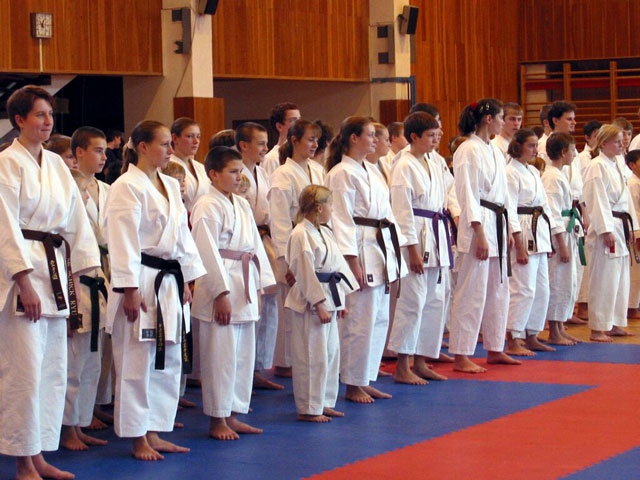
That gap is the secret ingredient. It is close enough to feel personal but wide enough to feel special, and that is the perfect distance for a crush. Anime writers figured this out decades ago and never let go. And the word is not locked inside anime either. You will hear it constantly in Japanese schools, workplaces, sports clubs, and martial arts dojos, basically any group with a pecking order built on experience.
Senpai Meaning in Japanese: The Kanji Behind It
Let’s pop the hood, because the senpai meaning in Japanese gets genuinely beautiful once you look at the actual characters.
Senpai is written 先輩. That first character, 先, means “before” or “ahead.” The second, 輩, means “mate,” “fellow,” or “comrade.” Stick them together and senpai literally means “the comrade who came before.” How good is that? It is not “boss,” and it is not “elder.” It is your fellow traveler who simply happens to be a few steps up the road ahead of you. The word bakes the whole relationship right into two characters.
The senpai meaning in Japanese runs deep too. A lot of it traces back to Confucian ideas about respecting the people ahead of you and keeping the group in harmony. Over centuries Japan grew its own flavor of that thinking into something you feel absolutely everywhere, from high school baseball teams to massive corporations. The senpai looks out for you. You show them respect. Everyone knows their place, and the whole group runs smooth.
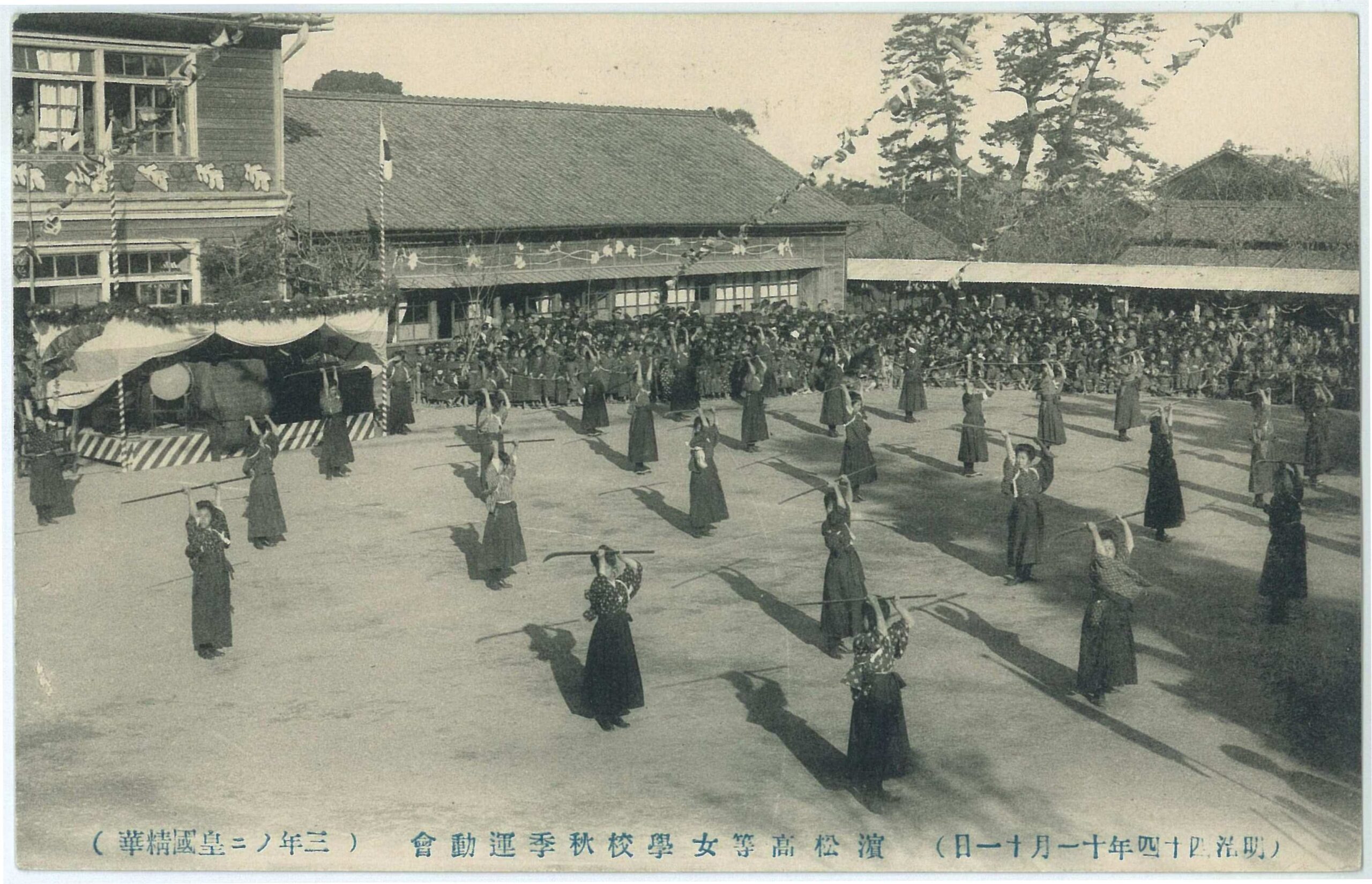
One detail that surprises a lot of people is that this system does not really kick in during childhood. Little kids do not run around calling each other senpai on the playground. The senpai and kohai relationship usually switches on in junior high, when students join those after-school club activities called bukatsu (部活). Sports teams, brass bands, art clubs, the whole spread. That is where most Japanese teens first feel what it is like to have a senpai looking after them, and then to become somebody’s senpai themselves a year or two later. In the tougher sports clubs especially, new members can end up fetching the balls, hauling the gear, and cleaning up while the third-years call the shots. It is a rite of passage, and everyone goes through both sides of it.
The Senpai Kohai Meaning and Relationship
You cannot really understand senpai without meeting its other half. So let’s get into the full senpai kohai meaning, because these two words come as a matched set.
If senpai is the senior, then kohai (後輩) is the junior. That first character 後 means “after” or “behind,” the perfect mirror of the “before” living inside senpai. The kohai is the one who came later. The new kid. The underclassman. That would be you.
Here is the beating heart of the senpai kohai meaning: it flows both directions. The senpai teaches, guides, and looks after the kohai. In return the kohai offers respect, gratitude, and a healthy dose of humility. The senpai might buy the kohai lunch or coach them through a brutal project. The kohai might carry the bags, pour the drinks at the club dinner, and speak a little more politely. A lot of the time it plays out casual and friendly, almost like an older sibling dynamic. Neither role exists in a vacuum. You cannot be a senpai with nobody following behind you, and you cannot be a kohai with nobody blazing the trail ahead.
So it is basically a built-in mentorship system stitched right into daily life. And the moment you learn the senpai kohai meaning, you start clocking it everywhere in your favorite shows. That nervous first-year trailing the cool third-year around the clubroom? Textbook senpai and kohai. That older student who quietly saves the newbie from embarrassing themselves? Senpai behavior, and the fandom loves it.
You will spot this exact dynamic play out in fan communities online too, especially the way newer creators look up to the veterans who paved the road ahead of them. It shows up in the VTuber space constantly, where fresh rookies debut and immediately start calling the established stars their senpai, learning the ropes on stream in real time.
Senpai or Sempai: Which Spelling Is Right?
Okay, time for the great spelling showdown. You have seen it written both ways online, so which is it, senpai or sempai?
The correct romaji spelling is senpai. Full stop. In Japanese the word is written せんぱい in kana, and that ん character maps straight to “n” in our alphabet. So the standard, dictionary-approved way to write it is senpai with an n right there in the middle.
So why do so many people type sempai? Because honestly that spelling is closer to how the word sounds rolling out of your mouth. When an “n” sits right in front of a “p” sound, your lips want to snap shut early, and the whole thing comes out sounding like an “m.” Say it fast: “sem-pai.” Feels natural, right? Linguists have a fancy technical name for this little sound shift, but you do not need it to get the point. Your mouth is just taking the easy route, and that happens in every language on earth.
So here is the final verdict on senpai or sempai. Senpai is the standard spelling you will find in dictionaries and any kind of formal writing. Sempai is a wildly common variant that shows up all over anime forums, fan art captions, and shirts at conventions, and honestly nobody is going to fight you over it. Use senpai when you want to be safe, and know that sempai is not really “wrong” so much as it is spelling the word exactly the way your ears hear it.
Notice Me Senpai: How a Meme Took Over the Internet
Now for the fun part. Let’s talk about “notice me senpai,” because this phrase is probably how most Western fans learned the word in the first place.
The “notice me senpai” energy is pure anime feeling bottled up and shaken. Picture the classic setup: a shy kohai nurses a massive crush on their cool, slightly older senpai. The senpai has zero clue this person even exists. The kohai pines, plots, rehearses conversations that never happen, and prays for one single glance. That aching, one-sided longing is the whole vibe, and it detonated into one of the most quotable jokes on the entire internet.
Here is the fun bit about where it came from. The phrase does not actually trace back to any one specific anime line. It bubbled straight up out of fan culture. On August 8, 2012, someone created a Tumblr blog called “Has Senpai Noticed Me Yet?” and it lit the fuse instantly. Searches for the word “senpai” spiked to an all-time high that same month. Tumblr users started slapping tags like senpai, sempai, and “I hope senpai will notice me” onto everything in sight. Within days people had spun up follow-up blogs written from the senpai’s point of view, playing off Tumblr’s notification system to build joke sentences. From there it leapt to every corner of the web, and more than a decade later it is still going strong.
These days “notice me senpai” barely even means romance anymore. People fire it off any time they want to be acknowledged by someone they admire. Tweeting at your favorite artist? Notice me senpai. Hoping a huge streamer reads your one message in a flood of chat? Notice me senpai. It turned into shorthand for that totally universal feeling of wanting your hero to just look your way for one glorious second.
Notice Me Senpai in Anime: The Characters Who Made It Famous
The word blew up in the West for one big reason: anime absolutely runs on the senpai dynamic. Senpai and kohai hand writers an instant power imbalance to play with, perfect for romance, rivalry, comedy, and character growth. The second a character says “senpai,” the audience already knows the relationship without a single line of extra exposition. Once you know what senpai means, you will hear it echoing through basically every school-set series ever made.
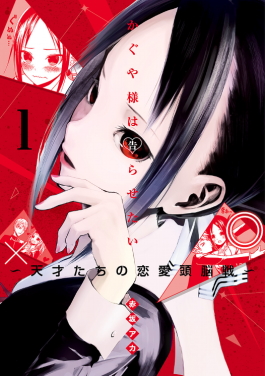
Think about all the shows built around this exact tension. A blushing first-year chasing an oblivious upperclassman. A cocky junior teasing the senior they secretly adore. Kaguya-sama: Love Is War turns the student council hierarchy into a full-blown mind-games comedy where nobody wants to confess first. Don’t Toy with Me, Miss Nagatoro flips the whole formula and makes the underclassman the merciless teaser while her “Senpai” quietly suffers and slowly falls for it. Toradora, Bakemonogatari, and a hundred other romance comedies lean hard on that senior-junior gap to power the drama. The setup is so reliable that fans can smell a senpai romance coming from the first episode, because the tension basically writes itself.

Watch the official Kaguya-sama: Love Is War trailer for the student council mind games in action:
Kaguya-sama: Love Is War -Ultra Romantic- official trailer, via Aniplex on YouTube.
The reason it lands so hard is that the senpai kohai meaning already arrives pre-loaded with feeling. The respect, the distance, the constant looking-up-to. Writers just drop a crush on top of that foundation and boom, instant romance plot with the emotional wiring already done. That is why hearing a character exhale one soft “senpai” carries so much weight. The word is doing half the storytelling all by itself before anyone even confesses.
This admiration culture is not locked inside school anime either. That same electric energy powers huge chunks of modern fandom, right down to the way fans obsess over their favorite creators. If you have ever gone down a two-hour rabbit hole reading about your favorite streamer’s past life or face reveal, congratulations, you have basically been living the notice me senpai life this whole time.
How to Use Senpai (and When Not To)
So you want to start dropping the word yourself? Love that for you. Here is how to do it without looking silly.
In real Japanese life, you attach senpai to someone’s name or use it on its own to address a senior inside your specific group. Your school club, your sports team, your workplace, your martial arts dojo. It reads as respectful and warm. You would never call a random stranger on the street senpai, and you definitely would not call your actual boss or a teacher senpai, since those people rank well above a simple senior. Japanese has entirely separate words for them.
Among English-speaking anime fans, though, the rules loosen way, way up. People call their friends senpai as a joke, tag their idols with it, and toss it out as a cute little compliment that basically says “you are ahead of me and I respect you.” It is playful and affectionate. As long as you are not being weird about it, you are completely golden.
Here is the official trailer for Don’t Toy with Me, Miss Nagatoro, where the kohai does all the teasing while Senpai quietly suffers:
Don’t Toy with Me, Miss Nagatoro official trailer, via Crunchyroll Collection on YouTube.
The one thing worth remembering is the feeling tucked inside the word. Senpai always carries that note of looking up to someone who came before you. Next time you hear it in a show, pay attention to how it is delivered, because that single word can tell you more about the relationship than a whole page of dialogue. Nail that and you honestly understand what senpai means better than most folks who only ever caught it in a meme. Want to keep the deep dive going? Check out how the entire VTuber world grew its own senpai and kohai culture, with wide-eyed rookies debuting under absolute legends every single year.
Frequently Asked Questions
What does senpai mean in simple terms?
Senpai means “senior.” It is someone who joined your school, club, job, or team before you did, so they have more experience and you look up to them. It does not just mean anyone older. It means the person one step ahead of you on the very same path.
What is the difference between senpai and kohai?
Senpai is the senior and kohai is the junior. The senpai came first and guides and looks after the kohai. The kohai came later and shows respect and gratitude in return. That two-way bond is the core of the senpai kohai meaning, and one role cannot really exist without the other.
Is it spelled senpai or sempai?
Both show up online, but senpai is the correct standard spelling since the Japanese word uses an “n.” Sempai is a common variant because the “n” before “p” naturally sounds like an “m” when you say it out loud. Use senpai to be safe, and know sempai is not really wrong.
Where did “notice me senpai” come from?
It grew out of fan culture, not a single anime scene. A Tumblr blog called “Has Senpai Noticed Me Yet?” launched on August 8, 2012, and fans ran wild with the tags. The phrase captures a shy kohai desperately hoping their crush will finally acknowledge them.
Can you call a girl senpai?
Yes. Senpai is not tied to gender at all. Any senior can be your senpai, whether they are a guy, a girl, or anyone else. A female upperclassman you look up to is absolutely your senpai.
Is senpai a romantic word?
Not by itself. Senpai just means senior and shows respect. Anime made it feel romantic by pairing the senior-junior gap with crushes so often. So the word carries flirty energy in pop culture, but in real life it is simply a respectful term for someone ahead of you.
Related
- What’s A VTuber?
- VTuber Face Reveal | 13 Famous VTubers’ Faces Revealed
- Hololive Productions: The Rise of the VTuber
Wrapping Up
So there you have it! Now you know what senpai means, how the senpai kohai meaning ties two people together, why sempai and senpai are basically the same word wearing different outfits, and how “notice me senpai” grew into a full meme legend. Next time a character on screen goes soft and murmurs “senpai,” you will know exactly why that one tiny word says so much. Go forth and use it well, and may your own senpai always, always notice you!