What Is a Waifu? The Anime Waifu Meaning Explained
You have seen the word everywhere. “Best waifu,” “waifu material,” “protect this waifu at all costs.” Somewhere right now, a grown adult is defending a drawing with the intensity of a knight guarding a castle. Welcome to anime waifu culture, where fans pick a fictional character, crown her the love of their life, and will absolutely go to war over her in a Discord server at 2am. So what does the term actually mean? An anime waifu is a fictional female character that a fan adores, claims as their ideal partner, and defends like their whole reputation is on the line. It is playful, a little obsessive, and a massive part of fandom.
We are keeping this fun, because that is exactly how the word gets used in real life. By the end you will know the full waifu meaning, where the slang came from, how it differs from a husbando, and how to survive a waifu war with your dignity intact.
What Does Anime Waifu Actually Mean? Let’s Define Waifu
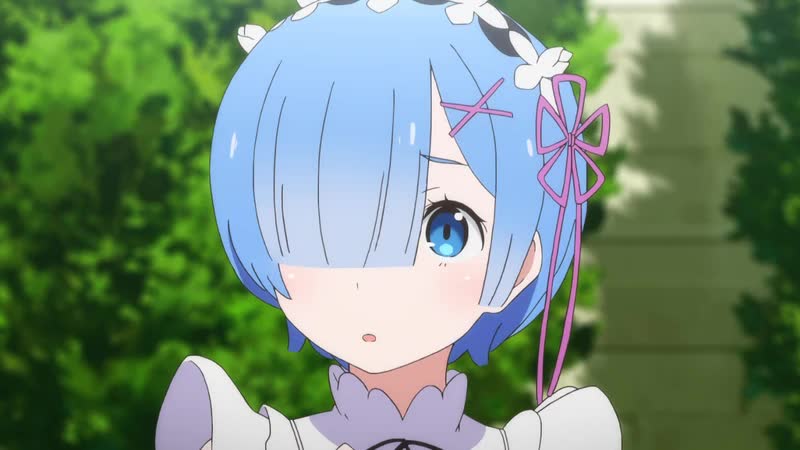
Let’s define waifu the easy way. A waifu is a fictional female character, almost always from anime, manga, or games, that a fan feels a strong romantic attachment to. It is not just “I like this character.” It is “this is my waifu, I would die for her, she is perfect, fight me.” Someone says “Rem is my waifu” and everyone instantly knows they love that character to absolute pieces.
The waifu meaning runs a little deeper than “favorite girl.” A favorite character can be anyone you think is cool or fun to watch. A waifu is the character you would marry if the fictional and real worlds ever smashed together. That romantic layer is the entire point. It is affection, devotion, and a big scoop of dramatic flair all packed into one tiny word.
It is equal parts joke and genuine emotion. Some fans use it ironically, some are dead serious, and most land somewhere in the middle, calling a character their anime waifu while fully aware she is a fictional 2D girl. Still, the passion behind it is very real, and fans will happily argue for hours about whose waifu reigns supreme. That mix of joke and genuine love is what makes the word so sticky.
Where the Waifu Meaning Came From
Here comes the fun origin story. The word “waifu” is simply the Japanese pronunciation of the English word “wife.” Japanese speakers started borrowing “wife” back in the 1980s because the traditional word for wife, kanai, carried old-fashioned baggage about a woman being tied to the home. Saying “waifu” felt more modern and neutral. So the word already existed long before anime fans ever got their hands on it.
The anime version of the waifu meaning traces back to one perfect, ridiculous scene. In the 2002 slice-of-life comedy Azumanga Daioh, the wonderfully weird teacher Mr. Kimura drops a photo of a beautiful woman. When his students pick it up and ask who she is, he answers in thick, proud English, “Mai waifu.” That clumsy, heavily accented “my wife” was so memorable that fans latched onto it immediately. The moment lives in episode 15 of the anime, and it became legendary.

Watch the origin moment in motion:
Mr. Kimura’s “Mai waifu” line from Azumanga Daioh, the clip that launched the slang.
From there the slang exploded across forums and imageboards through the later half of the 2000s. Fans started using “mai waifu” to jokingly claim fictional characters as their own personal partners. The joke stuck, the spelling stuck, and now it is one of the most recognizable pieces of anime slang on the entire planet. Not bad for a throwaway gag from a comedy show about high school girls and one very strange teacher.
Waifu vs Husbando: The Husbando Meaning
You cannot talk about waifus without covering the other side of the coin. The husbando meaning is the exact mirror image. A husbando is a fictional male character that a fan claims as their ideal partner. Same energy, same devotion, same willingness to fight strangers online, just pointed at the guys.
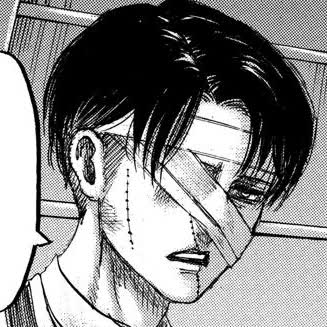
The word came about the same way, taking the English “husband” and giving it that Japanese-style pronunciation. It showed up a little later than waifu, mostly because fans needed a matching term once the waifu joke took off and refused to slow down. Now the husbando meaning is fully baked into fandom, and characters like Levi Ackerman from Attack on Titan, Satoru Gojo from Jujutsu Kaisen, and Lelouch vi Britannia from Code Geass pull in enormous husbando followings. Gojo alone could probably win a popularity poll blindfolded.
Anyone can have a waifu or a husbando. The terms are not tied to gender or orientation at all. A fan of any kind can crown any character their fictional partner, full stop. That flexibility is a huge reason both words spread so far beyond their original little corner of the internet and into mainstream fan slang.
How Fans Pick Their Best Waifu
So how does a character earn best waifu status in someone’s heart? There is no official rulebook, no committee, no scoring sheet. But a few things come up again and again when fans explain their picks.
Personality does most of the heavy lifting. A gorgeous design gets the first look, sure, but the characters who become a true waifu almost always have charm, depth, or a quirk that fans fall hard for. Think fierce loyalty, a razor-sharp sense of humor, a tragic backstory that makes you want to protect them, or that classic tsundere attitude where they act tough and secretly care way too much.
Character archetypes matter a ton too. Fandom loves its types. You have the sweet and caring one, the fiery tsundere, the mysterious quiet kuudere, the energetic goofball, the cool big-sister type, and plenty more. Fans usually gravitate toward one specific vibe, and their best waifu tends to land right in the archetype they already adore. Once you know someone’s type, you can basically predict their roster.
Big story moments seal the deal. A character who gets a heartbreaking arc, a jaw-dropping fight scene, or a tender confession can rocket up the rankings overnight. When an anime drops that one unforgettable episode, watch the fan art and the waifu declarations flood every timeline within hours. A single great episode can crown a new queen.
And honestly, sometimes it is pure vibes. You watch a show, one character clicks with you for no explainable reason, and boom, you have a new waifu. There does not always need to be a deep essay behind it. Connection is connection, and the heart wants what it wants.
Waifu Wars and Fan Culture
Now for the beautiful chaos. When fans get this attached, disagreements are basically guaranteed. Enter the waifu war, the battle over which character is the best waifu of a series or season. It is half joke and half extremely serious to the people involved.
Waifu wars pop off hardest in shows with a big cast of girls, especially romance and harem anime where the main character juggles several likable love interests and the fandom splits. Fans pick a side, form teams, and defend their pick with essays, memes, edits, and polls that get shockingly competitive. Re:Zero fans still throw hands over Rem versus Emilia years after the debate started. The Quintessential Quintuplets fanbase splintered into five factions over which sister deserved to win the boy. It is fandom sport at its absolute finest, and the trophy is bragging rights.
The culture around it is massive. People collect figures of their favorite waifu, buy those famous dakimakura body pillows, commission custom art, cosplay as them at conventions, and wallpaper every screen they own with them. Seasonal “best girl” polls trend the second a popular show starts airing. All of it is a way of showing love for the character and for the community that formed around her.
Most of it stays lighthearted, thankfully. The waifu war is a bonding ritual as much as an argument. You rag on your friend for having “trash taste,” they clap back with a paragraph, and everyone walks away grinning. That shared passion is what keeps the whole tradition alive season after season, year after year.
The Most Popular Anime Waifu Picks
Some characters have graduated into full icons of waifu culture. These names come up constantly whenever fans debate the best waifu of all time, so consider this your starter tour of the hall of fame.
- Rem (Re:Zero) might be the ultimate modern waifu. Her devotion to Subaru and that gut-wrenching arc made half the fandom forget the actual main heroine existed for a while. The internet decided she won anyway.
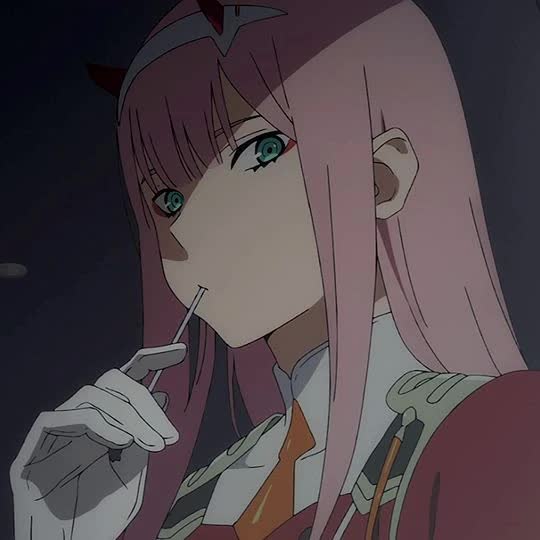
- Zero Two (Darling in the Franxx) blew up instantly with her pink hair, red horns, and that flirty “darling” catchphrase. Her design alone launched a thousand cosplays and a permanent spot on merch shelves.
- Mikasa Ackerman (Attack on Titan) is the loyal, absurdly strong protector type, and fans adore her fierce, unwavering love for Eren through the entire brutal story.
- Marin Kitagawa (My Dress-Up Darling) brought bright, confident gyaru energy and became a runaway favorite the very moment her show aired. She made cosplay itself feel like a love language.
- Makima (Chainsaw Man) proves a waifu does not have to be sweet at all. She is calculating, terrifying, and completely in control, and fans are absolutely here for the danger.
- Asuka and Rei (Evangelion) are the OG waifu war, splitting fans into two rival camps decades ago in a feud that genuinely never ended. Ask an Eva fan today and watch them light up.
You will notice the list spans every personality type, from the gentle sweethearts to the outright schemers. That variety is the whole charm of it. There is a best waifu out there for every kind of fan, and no two people will ever fully agree on the ranking. That is a feature, not a bug.
Anime Waifu Culture Beyond Anime
The anime waifu concept never stayed locked inside anime. It leaked straight into games, comics, and especially the streaming world. Fans now call characters from video games their waifus without blinking, and the slang shows up all over Western internet culture as casual everyday shorthand.
The biggest crossover is the VTuber scene. VTubers are streamers who perform behind animated anime-style avatars, and fans treat their favorites with the exact same devotion they hand to anime characters. If you are new to all of this, our guide on what a VTuber is covers the basics fast. Agencies like Hololive built enormous fanbases packed with people who proudly call their oshi their waifu.
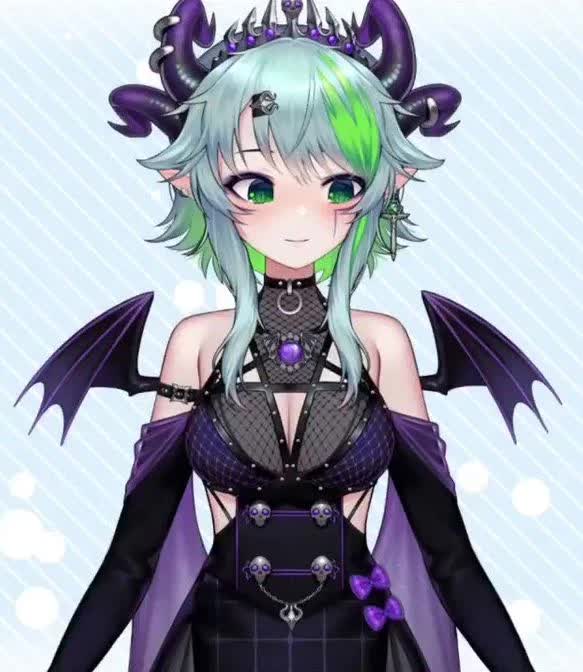
The waifu talk even happens between the creators themselves, which rules. When VShojo’s Froot debuted back on November 27, 2020, Zentreya publicly declared Froot her waifu, Froot said it right back, and fellow streamer Fefe jumped in to announce she was ready to fight Zentreya for Froot’s affection. That playful little love triangle is waifu culture in a nutshell, just with real streamers instead of drawn characters.
The debut that kicked it all off, straight from the official VShojo account:
VShojo hyping Froot’s November 27, 2020 debut, the stream that sparked the waifu exchange.
You can still watch the archived debut stream here:
Froot’s original VShojo debut stream from November 27, 2020.
If your ideal anime waifu type is the cool silver-haired beauty, the streaming world has you fully covered there too. Check out our roundup of the top white and silver-haired VTubers to find a new favorite to obsess over. The point is simple: wherever there are lovable characters, waifu culture will follow them there.
Frequently Asked Questions
What is an anime waifu?
An anime waifu is a fictional female character, usually from anime, manga, or games, that a fan claims as their ideal romantic partner. It is a fun, affectionate way of saying you are devoted to a character. The male version is called a husbando.
What is the difference between a waifu and a favorite character?
A favorite character is just someone you think is great. A waifu carries a romantic layer on top of that. When you call a character your waifu, you are jokingly saying she is “the one” for you, not simply a character you enjoy watching.
What does husbando mean?
The husbando meaning is the male mirror of waifu. It is a fictional male character a fan claims as their ideal partner, taken from the English word “husband” said with Japanese pronunciation. Popular husbandos include Levi Ackerman, Satoru Gojo, and Lelouch vi Britannia.
Where did the word waifu come from?
The waifu meaning comes from the Japanese pronunciation of the English word “wife.” Its anime fame started with the 2002 anime Azumanga Daioh, where teacher Mr. Kimura calls the woman in a dropped photo “mai waifu.” Fans loved the line and ran with it.
How do fans decide their best waifu?
It comes down to personality, character archetype, big story moments, and pure personal connection. There is no official list for best waifu, so every fan crowns their own. That is exactly why waifu wars over the best girl in a series get so heated.
Can anyone have a waifu or husbando?
Absolutely. The terms are not tied to any gender or orientation. Any fan can claim any character as their waifu or husbando. That openness is a big part of why the slang spread so far across fandom.