Initial D Anime: Your Guide to the Street Racing Legend
A synth beat kicks in, a white and black hatchback drops its inside tires into a gutter at full downhill speed, and suddenly you cannot look away. That is the Initial D anime working its magic, and it has been doing it to new fans since 1998.
This is the show that turned tofu deliveries into pure adrenaline and made a cheap 1980s Toyota the coolest car in anime history. We love it, you probably love it, and if you are new to it, you are about to fall hard. In this guide we cover the story, the cars, the rivals, the correct watch order, and why that eurobeat soundtrack refuses to leave your head. Let’s go!
What the Initial D Anime Is Really About
Initial D is about illegal street racing in the mountains of Gunma Prefecture, Japan. Not flat drag strips, not polished race tracks. We are talking twisty downhill passes with zero guardrail forgiveness, where one wrong steering input sends you off a cliff. The racers here live for the “touge,” the narrow winding mountain roads, and they battle one on one to see who is truly fastest.
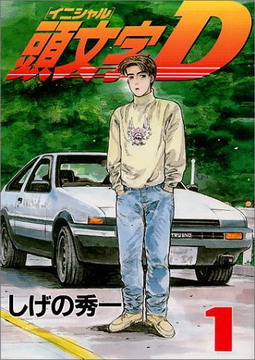
The manga came first. Shuichi Shigeno created Initial D and it ran in Weekly Young Magazine from 1995 all the way to 2013, stacking up 48 volumes. The anime adaptation launched in April 1998 and kept coming in chunks until 2014, closing out with over 80 television episodes plus a feature film and OVAs. That is a seriously long life for one series, and it earned every year of it.
What makes the show special is that it takes cars seriously. The drivers talk about grip, weight transfer, tire temperature, and engine tuning like it actually matters, because it does. You do not need to be a gearhead to enjoy it, but by episode ten you will be tossing around words like “drift” and “torque” like you own a garage.
Takumi Fujiwara and the Legendary AE86
Our hero is Takumi Fujiwara, and he might be the most accidental prodigy in anime. Takumi Fujiwara is a bored high schooler who works at a gas station and helps out at his dad’s tofu shop. At the start he has zero interest in cars. He just wants to hang out with his friends and coast through life.
Here is the twist. For years his father Bunta made him deliver tofu before dawn up and down Mount Akina in an old Toyota Sprinter Trueno, the famous AE86. Bunta had one rule, do not spill the cup of water sitting in the cup holder. So Takumi learned to drive smooth as glass on a treacherous mountain road every single morning without even realizing he was becoming a monster behind the wheel. Fun real world detail, Mount Akina is fictional but based on Mount Haruna, a genuine pass in Gunma about 150 kilometers northwest of Tokyo.
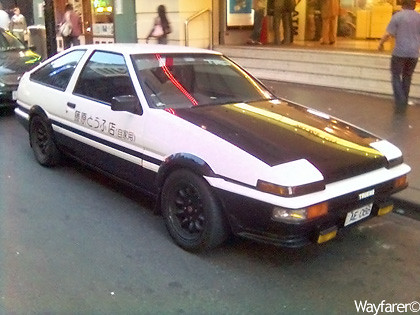
That car, the AE86, is a legend now because of this show. Fans call it the Hachi-Roku, which just means eight-six in Japanese. It is the black and white “Panda Trueno,” and rival racers on the pass start whispering about the “White Ghost of Akina” long before they figure out a sleepy teenager is behind the wheel. The AE86 is old, underpowered on paper, and gets smoked in a straight line by newer machines. Takumi wins anyway because the driver matters more than the horsepower. That is the entire heart of Initial D right there.
Bunta deserves his own shout out. He is a former downhill king who set the fastest time on Akina back in the day, and he plays it ice cold, never telling Takumi anything directly. He just quietly sets up impossible challenges and lets his son crack them. That father son dynamic gives every race real weight.
The Rivals Who Made Initial D Legendary
A racing show is only as good as its rivals, and Initial D is absolutely stacked. The first big names are the Takahashi brothers of the Akagi RedSuns. Keisuke Takahashi is the hot headed younger brother who drives a bright yellow Mazda RX-7 (FD3S). He is the first serious racer Takumi beats, and watching his jaw hit the floor when a tofu delivery car passes him is one of the best early moments in the whole series.
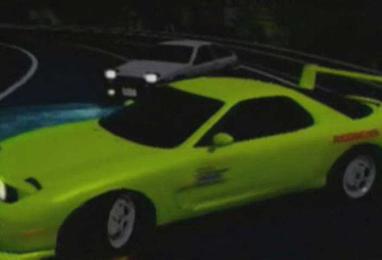
Then there is Ryosuke Takahashi, Keisuke’s older brother and the strategic brain of the scene. Ryosuke drives a white Mazda RX-7 (FC3S) and everyone calls him the “White Comet of Akagi.” He is calm, calculating, and treats racing like a science experiment. Later he disbands the RedSuns and builds a new team called Project D, recruiting both Keisuke and himself as the “Double Aces” alongside Takumi. That team goes on a tour taking down the best racers across the region.
Along the way Takumi faces a parade of memorable opponents. There are the Emperors, a squad running Mitsubishi Lancer Evolutions led by the ruthless Kyoichi Sudo. There is Impact Blue, the duo of Mako and Sayuki in their Nissan Sileighty, one of the few teams giving the women of the touge real spotlight. Every rival brings a different car philosophy, a different track, and a different lesson for Takumi to solve.
The cars themselves are basically characters. RX-7s, Skylines, Lancer Evos, an MR2, a Civic, a Silvia. If you grew up loving Japanese cars, this show is a love letter written directly to you.
The Initial D Watch Order You Should Follow
The series is split into “stages,” and the naming trips up plenty of newcomers. Here is the clean initial d watch order so you never feel lost. Follow this sequence and the story flows perfectly.

Before you start, here is the First Stage opening “Around the World” by m.o.v.e to set the mood of mountain racing plus eurobeat.
- First Stage (1998), 26 episodes. The origin. Takumi discovers what he can do and dismantles the RedSuns. Start here, no skipping.
- Second Stage (1999 to 2000), 13 episodes. The stakes climb, Takumi faces the Emperors, and the AE86 pays a heavy price.
- Extra Stage (2001), OVA. A short side story focused on Mako and Sayuki of Impact Blue. Fun but optional.
- Third Stage (2001), a feature film. A big emotional chapter that also covers Takumi’s love life and his next step forward.
- Fourth Stage (2004 to 2006), 24 episodes. Project D goes on tour. Loads of fans call this the peak of the entire series.
- Fifth Stage (2012 to 2013), 14 episodes. The Project D tour rolls on against tougher and tougher teams.
- Final Stage (2014), 4 episodes. The grand finish and the battle everyone waited years to see.
If you want the simple version, just follow the stages in numbered order and slot the Third Stage movie in right after Second Stage. The Battle Stage releases are recap compilations of the races with fresh animation, so treat those as bonus rewatch material, not required viewing.
One heads up, the animation style shifts a lot over the years. First and Second Stage lean on early CGI cars that look rough by today’s standards. By Fourth Stage onward it looks way cleaner. Push through the older stuff, the racing tension carries it easily.
Why Eurobeat Anime and Initial D Are Inseparable
You cannot talk about Initial D without talking about the music, because this is THE eurobeat anime. The second a race starts, the show blasts high energy Super Eurobeat tracks, all pounding four on the floor beats and cheesy euphoric vocals. It should not work as well as it does. It works incredibly well.
The king of the whole thing is “Deja Vu” by Dave Rodgers, the stage name of Italian producer Giancarlo Pasquini. That song became a full blown internet meme, the go to soundtrack for any clip of a car sliding around a corner. If you have ever seen a “car goes brrr around a mountain” video online, odds are Initial D and eurobeat are the reason that format exists at all.
Here is Dave Rodgers performing “Deja Vu,” uploaded by the official Avex channel.
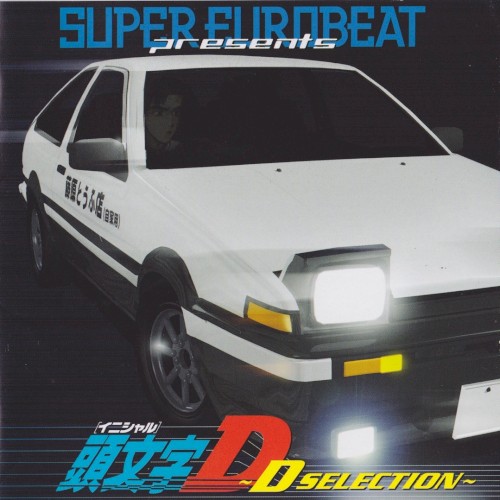
Avex released a mountain of official Super Eurobeat presents Initial D albums over the years, pulling the best tracks from every stage. Names like “Running in the 90s,” “Gas Gas Gas,” and “Night of Fire” are burned into the brains of every fan. The music is so tied to the show that tons of people got into eurobeat as an entire genre purely because of this anime. That is a rare kind of cultural reach for a car cartoon.
The Real Racing Techniques Behind the Initial D Drama
Part of the fun of Initial D is that the driving tricks are grounded in real motorsport ideas, even when they get cranked up for drama. Takumi’s signature move is the gutter run. On tight hairpins he drops his inside wheels into the drainage gutter at the edge of the road, which lets him hold a tighter line and carry way more speed than anyone expects. Rivals think he is insane. He is just bored enough to have practiced it a thousand times.
Then there is drifting itself, the sideways cornering style the whole show is built around. Different characters swear by different methods, and Ryosuke loves breaking down exactly why one technique beats another on a specific road. Takumi even masters running downhill battles at night and, in one famous stretch, kills his own headlights to read the road by memory and rattle his opponent.
The show also loves the underdog science of it all. A lighter, weaker car driven perfectly can beat a heavier, stronger car driven merely well. That theme repeats over and over, and it is why fans still argue about tuning setups decades later. If you enjoy creators who obsess over a niche, you might also enjoy our roundup of white and silver haired VTubers, because that same energy of picking a favorite and defending it forever lives all over streaming culture too.
Where Initial D Fits in the Bigger Fandom
Initial D did not just influence anime. It shaped car culture, arcade racing games, and a whole generation of drift fans who hunted down real AE86s because of Takumi. The arcade version of the game printed money for years and is still beloved by cabinet chasers. The series even got a Hong Kong live action film in 2005.
The fanbase overlaps hugely with gaming and streaming crowds, which is why you spot eurobeat and Initial D references popping up everywhere online, including deep in the streaming scene. If you are coming to this from that side of the internet and are still figuring out the world these clips live in, our explainer on what a VTuber is pairs perfectly with a night of Initial D binging. Plenty of streamers who cover racing games grew up on this exact show, and a lot of them started their careers the same way any creator does, which we break down in our guide on how to start VTubing.
So here is the bottom line. Initial D is way more than a car anime. It is a mood, a soundtrack, and a starter drug for a lifelong love of Japanese cars. Fire up First Stage, crank the eurobeat, and watch a tofu delivery kid turn into a legend.
Frequently Asked Questions
Is the Initial D anime finished?
Yes! The main story wrapped with Final Stage in 2014, which adapted the ending of the manga. All seven stages together tell one complete story from Takumi’s first race to the last big showdown, so you get a real, satisfying conclusion.
Do I need to know cars to enjoy Initial D?
Not at all. The show explains its racing ideas as it goes, and the drama, rivalries, and music carry you even if you cannot tell an RX-7 from a Skyline. You pick up the car knowledge naturally, and honestly you will probably end up loving cars by the end.
What car does Takumi Fujiwara drive?
Takumi Fujiwara drives a Toyota Sprinter Trueno AE86, the black and white “Panda Trueno.” It belonged to his dad Bunta, a former downhill champion. The AE86 is old and underpowered, which is exactly why beating faster cars in it feels so good.
What is the best way to follow the Initial D watch order?
Watch the stages in numbered order, First through Final, and place the Third Stage movie right after Second Stage. The Extra Stage OVA and the Battle Stage recaps are optional bonuses you can enjoy anytime.
Why is Initial D so connected to eurobeat?
The show played high energy Super Eurobeat tracks over every race, and it fit the downhill speed perfectly. Songs like “Deja Vu” by Dave Rodgers became memes, and that eurobeat anime pairing turned into one of the most recognizable soundtracks in all of anime.
Is Initial D based on a manga?
Yes, Shuichi Shigeno created the Initial D manga, which ran from 1995 to 2013 across 48 volumes. The anime adapts that story faithfully across its stages, so manga readers will recognize all the major races and characters.