What Is a Male Yandere? Yandere Characters Explained
Sweet smile. Gentle voice. A key quietly turning in the lock so you can never leave. That is the male yandere in a single scene, anime’s softest boy and its scariest one, usually the exact same character in the exact same moment! You have definitely heard this word get tossed around in fan spaces, probably right after somebody posted a screenshot of a smiling anime guy holding a knife. So let us clear the whole thing up. We are going to break down what a male yandere actually is, why fans absolutely lose it over these characters, and which anime boys basically carved the rulebook into stone.
The male yandere is one of the most electric character types you will ever meet, and once you learn the tells, you cannot unsee them. Grab a snack, because we have a lot of adorable maniacs to cover.
Yandere Meaning: Where the Word Comes From
Before we zoom in on the boys, let us nail the basics, because the yandere meaning is honestly kind of poetic once it clicks. Yandere is a mashup of two Japanese pieces. The first is “yanderu,” which comes from “yamu” and means to be sick, usually in the mental or emotional sense. The second is “deredere,” that gushy, heart-eyes, lovestruck energy you see in the softest romance scenes.
Smash them together and you get someone who is lovesick in the most literal way imaginable. They love so hard that something inside them snaps. Their affection curdles into obsession, and that obsession can turn violent fast. A yandere starts out genuinely sweet and caring, and that is the entire trick. The soft side is real at first. Then the love swells too big, the jealousy floods in, and out come the knives. This is not just “jealous partner” behavior either. It is a very specific cocktail of instability and romantic obsession that makes the character dangerous to everyone around them, including the person they claim to love.
The word itself was built on the model of “tsundere,” and while the vibe existed earlier, the yandere really took off as its own recognized character type in the early 2000s. That timing matters because it is exactly when a wave of dark romance anime and otome games started pushing the archetype hard.
This is why yandere characters feel so wildly different from a plain old villain. They are not evil for kicks. Every horrifying thing they do runs on love, or at least their shattered version of it. That collision of tenderness and pure menace is what keeps us glued to the screen.
What Makes a Yandere Male Different
Here is a fact that trips up a lot of people. In anime and manga, the yandere archetype leans heavily female, with Yuno Gasai basically serving as the mascot. So when a yandere male steps into frame, he tends to pop and burn himself into your memory.
The male yandere usually lives in a very specific corner of anime. You find him packed into otome games and reverse-harem stories, where a lineup of pretty boys all orbit one girl and at least one of them is quietly unhinged. You also spot him in darker action series, where the fixation gets aimed at a rival or a best friend instead of a love interest.
The flavor runs a little different too. A male yandere usually leans hard into control and possession. He wants to keep his person safe, which curdles into wanting to keep them locked away where nobody else can ever have them. Think caging, isolating, lying, and rewriting reality so his beloved never has one single reason to walk out the door. It reads as romantic on paper and plays as horrifying in practice, and that whiplash is the entire appeal.
The yandere male also loves hiding behind a flawless mask. He is charming, polite, maybe a touch shy. Everyone in the room is convinced he is the nicest guy alive. That squeaky-clean surface makes the snap land ten times harder when it finally comes.
The Yandere Face: Warning Signs and Traits
Anime hands us a visual cheat code for the exact second a character crosses the line, and fans call it the yandere face. Once you catch it, you can never unsee it. Picture wide eyes that suddenly go dead and glassy, pupils shrinking to pinpricks or vanishing altogether. Layer on a huge, way-too-calm smile and a heavy shadow dropping across the top of the face. Sometimes a deep blush stays put, because remember, they are still head over heels while they do this stuff! The same character can go from big sparkling eyes and a soft voice to dead-eyed menace in a single cut, and that contrast hits like a truck on screen.
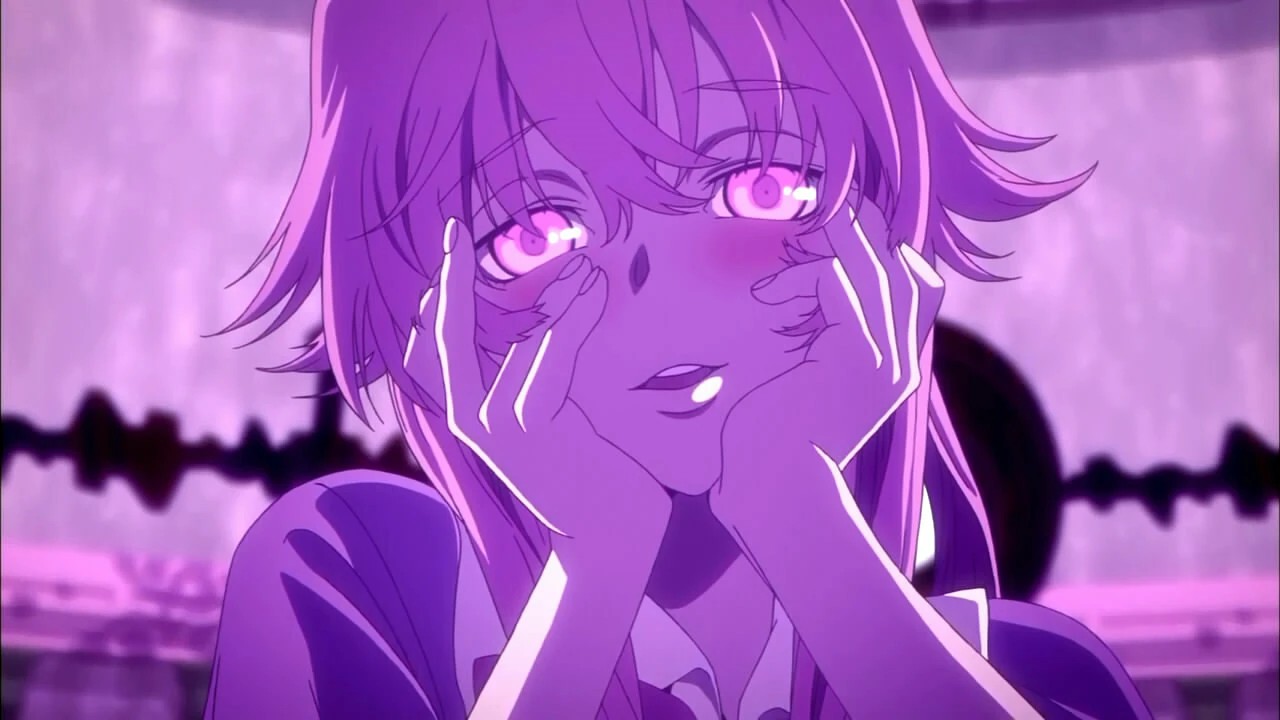
In fact, the yandere face has meme history baked right in. The expression Yuno Gasai pulls at the end of the very first episode of Future Diary is the shot that launched the whole “yandere face” meme across the internet. That is how iconic the look is. Japanese fandom even has slang for the switch, talking about a character “blackening” because of that literal shadow the animators drop over the eyes. When the yandere face shows up, the sweet mask has shattered and the obsession is behind the wheel now.
Watch the official Future Diary trailer below and you can feel exactly that lovesick-to-lethal energy Yuno is built on.
The Future Diary official trailer, featuring Yandere Queen Yuno Gasai.
Beyond the face, here are the classic warning signs of a yandere:
- Total tunnel vision on one person, to the point that nothing else on earth matters
- Extreme jealousy toward anyone who dares get close to their beloved
- Stalking, snooping, and somehow always knowing exactly where their person is
- Isolating their love interest from friends and family, one thread at a time
- Sudden mood flips from soft and sweet to ice-cold and lethal
- A cheerful, chipper willingness to remove any “obstacle,” permanently
Not every yandere goes full murder mode, by the way. Obsession is the true core trait here, not violence. Plenty of yanderes never spill a single drop of blood and still leave you shaking through pure manipulation and suffocating clinginess. The scariest ones make you feel adored and trapped in the very same breath.
Yandere Male Characters Who Defined the Archetype
Now for the good stuff! Here are the male yandere legends who set the gold standard. If you want to actually understand the type, start with these guys.
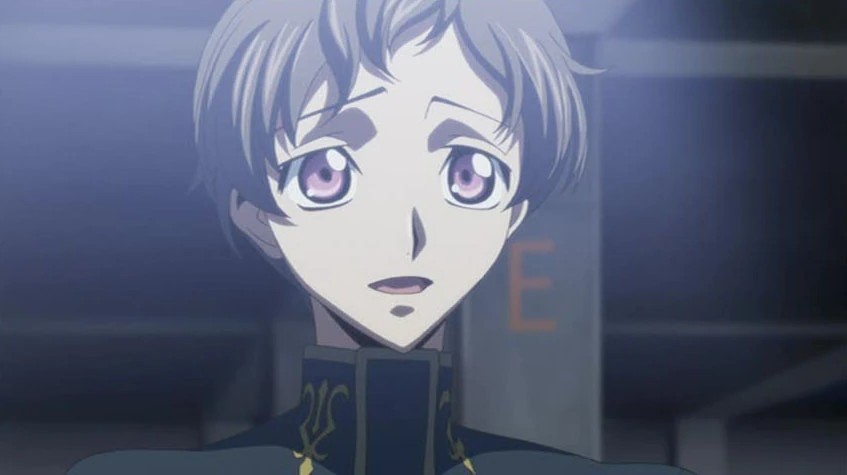
Rolo Lamperouge (Code Geass) is the poster child for the sweet-boy mask. Introduced in Code Geass R2, he plays a gentle, devoted little brother to Lelouch, except he is not really Lelouch’s brother at all. He is a planted spy, cold and calculating underneath, and utterly willing to kill anyone who threatens their fake sibling bond. He even wields a Geass called the Ward of Absolute Suspension that freezes people’s sense of time, which he uses to slit throats without anyone noticing. His obsession is not romantic in the usual sense, and that somehow makes it creepier.
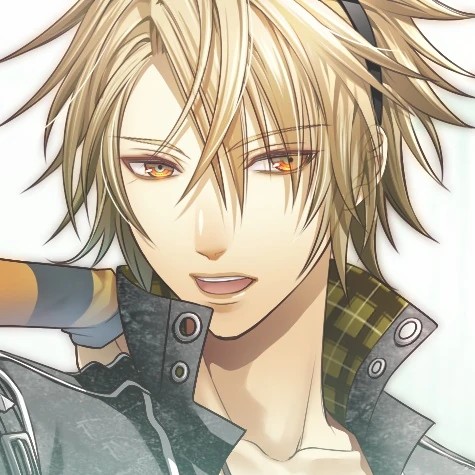
Toma (Amnesia) is the otome-game nightmare fuel that fans name-drop first, every single time. He genuinely cares about the heroine, but his possessiveness has zero brakes. He lies about being her boyfriend after she loses her memories, drugs her to keep her at his place, and eventually locks her in a literal giant cage, only letting her out on a leash for bathroom trips, all while insisting it is for her own protection. That is peak male yandere logic right there!
Here is the official Amnesia anime trailer, which shows off Toma and the rest of the otome boys orbiting the heroine.
The Amnesia anime trailer, based on the Otomate otome game.
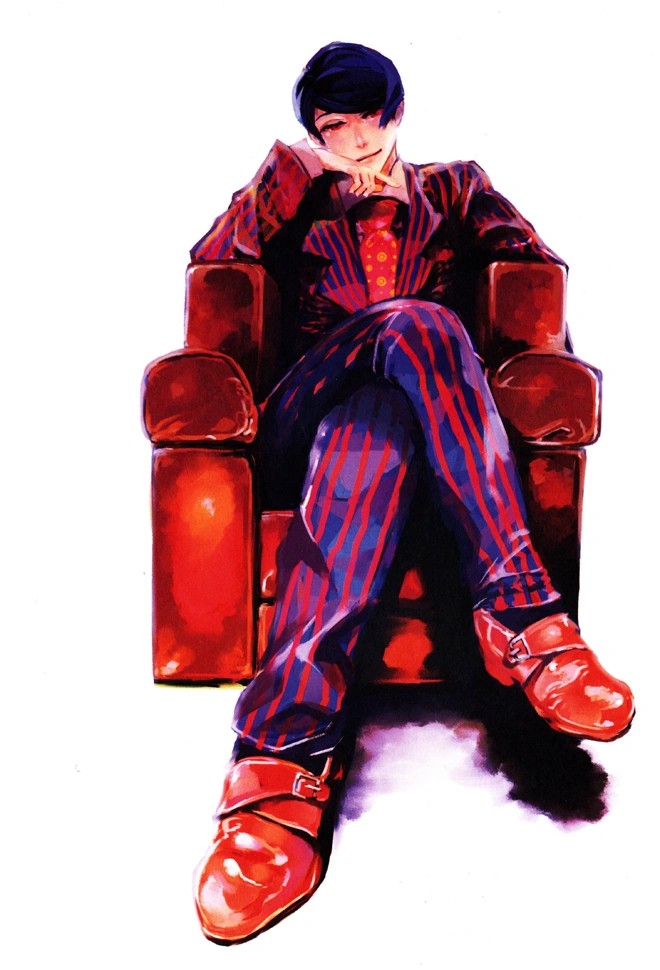
Shuu Tsukiyama (Tokyo Ghoul) takes the obsession in a very literal direction. Known as the Gourmet, he sweeps in as a refined, flower-quoting rich ghoul who just wants to be Kaneki’s friend. In reality he is fixated on Kaneki’s scent to a disturbing degree, sniffing his spilled blood in a bathroom and dreaming about eating him like a one-of-a-kind delicacy. Later he actually grows to care for Kaneki for real, which is its own kind of tragic. Elegant on the outside, ravenous on the inside.
Kanato Sakamaki (Diabolik Lovers) is a vampire who lugs around a teddy bear and owns a hair-trigger temper. He purrs politely one second and detonates into sadistic rage the next, especially the moment his demands go unmet. That twisted attachment style and those violent mood swings lock him in as a fan-favorite yandere male.
Alois Trancy (Black Butler) blends heartbreak and menace. His clingy, desperate, bottomless need to be loved grows straight out of a genuinely brutal past, and it warps every choice he makes. He lashes out, manipulates, and obsesses, all while practically begging the world to want him.
Creed Diskenth (Black Cat) is the textbook villain flavor. He is completely fixated on the hero Train Heartnet, convinced nobody else on the planet is worthy of Train’s attention, and he only seems truly alive when he is scheming to drag Train back into his orbit. Pure obsessive-rival energy, no romance filter needed.
Watch a couple of these and you will have the entire yandere male playbook memorized by the credits.
Iconic Female Yandere Characters for Comparison
You cannot really talk about the male yandere without tipping your cap to the queens who made the whole trope explode. They are the measuring stick everyone else gets held against.
Yuno Gasai (Future Diary) is the face of the entire archetype, full stop. Pink hair, angelic smile, and a body count that would make most villains jealous. Fans literally crowned her the Yandere Queen. She plays the perfect model student on the surface, but her love for Yukiteru is bottomless and lethal, powered by a stalker “Yukiteru Diary” that tells her his every move ten minutes ahead. She will kill without a single flicker of hesitation to keep him safe and keep him hers. A 2013 BIGLOBE poll voted her the most popular yandere character of all time, and honestly? That tracks perfectly.
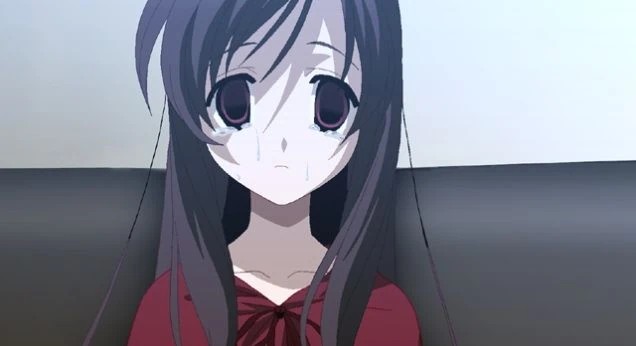
Kotonoha Katsura (School Days) delivers one of the most infamous endings in anime history. She starts as the quiet, polite, gentle girl and descends into pure nightmare fuel by the finale, calmly sailing away on a boat, cradling a severed head, completely at peace. The broadcast of that episode even got yanked and swapped for footage of a boat, which is how the legendary “Nice Boat” meme was born. If you know, you know! Her arc is the ultimate warning about what happens when quiet devotion finally cracks.
Line these two up next to the boys and you can watch how the archetype bends across genders while keeping that same lovesick core beating underneath.
Does a Male Yandere Exist in Real Life?
This is the question everybody whispers, so let us talk yandere real life energy for a second. Here is the honest answer. The romantic, blushing, weirdly hot version you see in anime is fantasy. It is stylized, cranked up to eleven, and engineered purely for drama. The trope works in fiction precisely because it is exaggerated and safely contained on a screen. Nobody in the actual world flashes the yandere face and comes across as charming.
Now here is the flip side. Obsessive and controlling behavior absolutely exists off-screen, and it is not cute in the slightest. Fandom loves pointing out a sharp twist here too. In fiction, yanderes get written as girls the vast majority of the time, but out in the messy real world, that possessive and controlling pattern shows up far more often in men. The isolating type, the partner who slowly snips someone off from their friends and family, is way more common than any cartoon knife-swinger.
So enjoy your male yandere characters exactly where they belong, which is safely trapped behind a screen. The appeal is the intensity and that “someone would burn the whole world down for me” fantasy. In real life, that intensity is a screaming red flag, not a love language. Love the trope, respect the boundary!
By the way, this obsession with dere types is a huge part of why anime fandom is so much fun, and it spills right over into streaming culture. Tons of creators lean into these archetypes on purpose. If you want to see how this energy shows up in the vtuber space, check out our guide on what a VTuber actually is, because those cutesy-but-chaotic personas owe a serious debt to characters like these.
Frequently Asked Questions
What is a male yandere in simple terms?
A male yandere is an anime boy who is deeply loving and sweet on the surface but turns obsessive, possessive, and often dangerous because of that love. He would do anything to hold onto the person he adores, including some genuinely scary things. The sweetness is real, which is precisely what makes the danger so unsettling.
What is the difference between a yandere and a tsundere?
They sound like cousins but they behave like opposites. A tsundere acts cold, prickly, and annoyed on the outside while secretly caring underneath. A yandere acts loving and gentle on the outside while hiding obsession and potential violence underneath. Tsundere is a grumpy softie, yandere is sweet danger.
Who is the most famous male yandere in anime?
Rolo Lamperouge from Code Geass and Toma from Amnesia are the two names fans reach for most. Toma especially is the go-to example when people describe the caging, controlling, otome-game style of male yandere. Shuu Tsukiyama from Tokyo Ghoul sits right up there with them.
What does the yandere face look like?
The yandere face is that iconic moment when a character’s eyes go empty and dead, the pupils shrink or vanish, a shadow drops across the top of the face, and a wide, too-calm smile spreads out. It signals that the sweet mask has broken and the obsession is fully driving now. Yuno Gasai’s version basically launched the meme.
Are male yanderes real in real life?
The anime version is pure fantasy. In reality though, obsessive, jealous, and controlling behavior does exist in real relationships, and it is a serious warning sign rather than anything romantic. Enjoy yandere characters on screen and steer far clear of that behavior in reality.
Why do fans like male yandere characters so much?
Fans love the sheer intensity. The idea of someone loving you so completely that they would do literally anything is a powerful fantasy, and the danger cranks up the thrill. That sweet-to-scary flip also makes these characters unpredictable and addictive to watch, which keeps people coming back for more.
Related
- What’s a VTuber? if you want to see how these anime archetypes fuel real streaming personas
- VTuber Face Reveal: 13 Famous VTubers’ Faces Revealed for more face-reveal deep dives
- Ironmouse: Everything You Need To Know About Her for a creator who blends anime energy with chaotic charm
Wrapping Up
So there you have it! A male yandere is the anime boy who loves you to death, sometimes very literally, and the exact reason fans cannot get enough of him. From Rolo’s cold little smile to Toma’s cage of “protection,” these characters push devotion to a terrifying extreme, and that is precisely what makes them unforgettable. Now that you know the yandere meaning, the warning signs, and the yandere face, you will clock the type instantly the next time one shows up sweet and smiling.
Enjoy the chaos from a safe distance, and we will catch you in the next one!