Shounen Meaning: What Shounen Anime Really Is
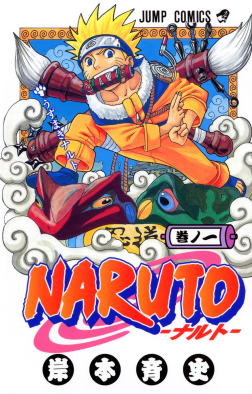
So you keep seeing the word shounen stamped on your favorite anime, and you want the real shounen meaning without a dry textbook lecture. We got you! Shounen is one of those words fans toss around constantly, usually mid argument about which show is the greatest ever made. The funny part? Most people use it wrong. They think it describes a type of story, when it actually describes something totally different. Let’s clear it all up, look at the biggest shounen anime on the planet, and settle the spelling debate once and for all.
Shounen Meaning: The Quick Answer
Here is the short version. Shounen (少年) is a Japanese word that literally means “boy,” or more precisely “few years,” as in a young person. In the anime and manga world, the shounen meaning points to a demographic. It labels comics and shows that were originally aimed at teenage boys, roughly ages 10 to 18.
That is it. Shounen is not a plot. It is not a vibe. It is a target audience. A publisher slaps the shounen label on a series because they made it with young boys in mind. Everything else we associate with shounen, the punching, the screaming, the power of friendship, comes from what that audience tends to love.
And here is the twist that trips everyone up. The actual people watching shounen anime are way more than teenage boys. Grandmas binge One Piece. College girls sob over Demon Slayer. The label says one thing, and the real fanbase says another.
The Real Meaning of Shounen: Demographic, Not Genre
This is the hill we will die on. The meaning of shounen is a demographic, not a genre. Genres describe what a story is about, like horror, romance, or mystery. Demographics describe who a story was made for. Two totally different questions.
Think about it this way. Naruto is a shounen. So is the volleyball series Haikyuu. So is the cooking manga Food Wars. A ninja saga, a sports drama, and a sweaty kitchen showdown could not be more different in content, yet they all wear the shounen tag. Why? Because all three ran in magazines built for young boys.
So when someone says “I love shounen,” they are really saying they love the flavor that shounen magazines tend to serve up. That flavor is real and recognizable, but it is a happy side effect of the demographic, not the actual definition.
Once this clicks, a lot of online arguments suddenly make sense. People fight forever about whether a show “counts” as shounen based on how much action it has. But the amount of fighting is not the test. The magazine is the test.
What Is Shounen Anime Built From?
Alright, so if the shounen meaning is about audience, what do these shows actually feel like? There is a reason shounen anime has such a signature taste. Editors know their young readers inside out, and certain ingredients show up again and again.
Here is the classic shounen recipe:
- A young hero with a giant dream. Think Luffy wanting to be Pirate King or Deku wanting to be the number one hero. The lead is usually a scrappy kid who flat out refuses to quit.
- The power of friendship. Bonds win fights. Rivals turn into allies. Nobody succeeds alone, and the biggest emotional gut punches almost always come from teamwork and loyalty.
- Getting stronger over time. Shounen lives for a good training arc. Heroes level up, unlock new techniques, and come back swinging way harder than before.
- Rivals who push the hero. Sasuke to Naruto, Vegeta to Goku, Bakugo to Deku. Half the fun is the rivalry.
- Big flashy fights. Long battles, screamed attack names, and stakes that keep climbing higher. This is the part people picture first when they hear shounen anime.
- Simple, hype themes. Never give up. Protect your friends. Surpass your limits. It sounds cheesy written down, and it absolutely rules on screen.
Not every shounen hits every note. But when you feel that rush of a hero standing back up one more time after getting knocked flat, that is the shounen recipe doing exactly what it was designed to do.
Where Shounen Anime Comes From
You cannot talk about shounen without talking about the magazines, because that is literally where the label lives.

The king of them all is Weekly Shonen Jump, launched way back in 1968. This thing is a monster. It has sold over 7.5 billion copies, making it the best selling manga magazine in history. If you have heard of a giant shounen series, the odds are it started in Jump.
Dragon Ball? Jump. Naruto? Jump. One Piece, Bleach, My Hero Academia, Demon Slayer? All Jump. When most people picture shounen anime, they are basically picturing the Shonen Jump lineup without even realizing it.
Jump is not alone though. Weekly Shonen Magazine and Weekly Shonen Sunday are its big rivals, and they gave us hits like Fairy Tail, Attack on Titan, and Inuyasha. The word “Shonen” sitting right there in each magazine name is your dead giveaway. That is the demographic stamp in action.
So next time you want to know whether something is truly shounen, do what the pros do. Check which magazine ran the original manga. If it was a shounen magazine, congrats, it is shounen. Case closed.
The Biggest Shounen Anime Ever
Let’s have some fun and talk titles, because the shounen definition really comes alive once you see the giants it produced.
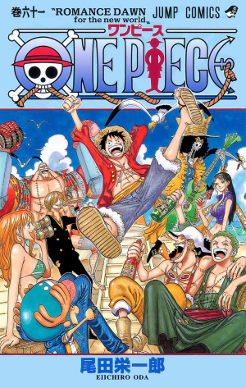
For years, fans crowned the “Big Three.” These were One Piece, Naruto, and Bleach, the trio that ruled Shonen Jump through the mid 2000s. Each one ran for over 15 years and more than 70 volumes, and all three overlapped from 2001 to 2014. If you were online during that era, these three were absolutely everywhere.
Then you have Dragon Ball, the granddad that basically wrote the modern shounen playbook. Goku turning golden and screaming his lungs out is the blueprint that every battle shounen still copies to this day.
The moment that started it all, Goku’s first Super Saiyan transformation, in the official clip from Crunchyroll:
The new wave is just as massive. My Hero Academia turned superhero shounen into a global obsession. Demon Slayer smashed box office records and became one of the best selling manga of all time. Jujutsu Kaisen and Chainsaw Man dragged shounen into darker, edgier territory and pulled in a whole new crowd. And Attack on Titan, while it technically lived in a different magazine, became the crossover monster that everyone and their mom ended up watching.
The point is simple. When you look at the most popular anime on Earth, most of them are wearing the shounen tag. This one demographic is the beating heart of the entire industry.
Shounen vs Shoujo, Seinen, and Josei
Shounen has three siblings, and knowing them makes the shounen meaning even clearer. All four are demographics, split by the age and gender of the intended reader.
- Shounen (少年) means “boys.” Aimed at teen boys. Think Naruto, One Piece, and My Hero Academia.
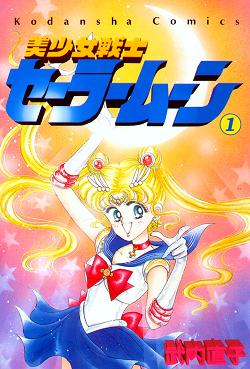
- Shoujo (少女) means “girls.” Aimed at teen girls, and it leans into romance, emotion, and dreamy art. Think Sailor Moon and Fruits Basket.
- Seinen (青年) means “young men.” Aimed at adult guys, and it gets more violent, complex, and mature. Think Berserk, Vinland Saga, and Tokyo Ghoul. Fun fact, the kanji for seinen uses “blue” or “green,” a cute nod to a young adult’s “green years.”
- Josei (女性) means “women.” Aimed at adult women, and it serves up grounded romance and grown up drama.
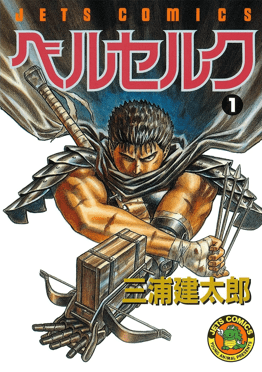
The overlaps get spicy. A ton of shows people assume are shounen are actually seinen. Berserk looks like the ultimate dark shounen, but it ran in a seinen magazine. This is exactly why the “check the magazine” rule saves you from embarrassing yourself in an argument.
By the way, if you are deep into anime you are probably deep into the VTuber scene too, since the two fandoms basically live in the same house. Tons of streamers cosplay shounen heroes and grind shounen fighting games on loop. If that world is new to you, our guide on what a VTuber actually is is a fun place to start, and plenty of them nail those flashy white and silver haired shounen looks that characters like Killua and Gojo made iconic.
Why Shounen Anime Took Over the World
Here is the wild part. A label made for Japanese boys somehow became the most popular kind of animation on the whole planet. How did that happen?
A big reason is that the classic shounen themes are universal. You do not need to be a teenager to feel a jolt when the underdog refuses to fall. Friendship, growth, and chasing a dream hit the same in every language. Shounen anime wraps those feelings in loud colors and huge fights, and it turns out the rest of the world eats that up just as hungrily as the original audience did.
Modern mainstream shounen at full volume, the official Demon Slayer trailer from Crunchyroll:
Streaming poured gasoline on the fire. Once shows like Demon Slayer and Jujutsu Kaisen landed on services people already used, shounen anime stopped being a niche hobby and became straight up mainstream. Your coworker who “does not watch anime” has probably still seen a Demon Slayer clip.
So the shounen meaning may start with a narrow target, but the reach is anything but narrow. That gap between who it was made for and who actually loves it is the whole magic trick.
Shounen or Shonen? Spelling and Pronunciation
Quick housekeeping, because this trips up so many people. Shounen and shonen are the same exact word. The only difference is how you write that long vowel sound.
“Shounen” spells out the stretched “o” using a u. “Shonen,” sometimes written with a little line over the o as shōnen, is the cleaner English style you see on official magazine covers like Shonen Jump. Both are completely correct. Fans use them interchangeably, so do not stress about it for a second.
Pronunciation is roughly “show-nen.” Say it fast and confident and nobody will ever question you.
Frequently Asked Questions
Is shounen a genre or a demographic?
Shounen is a demographic, not a genre. It tells you the intended audience, which is teenage boys, rather than the type of story. That is why wildly different shows like the ninja epic Naruto and the volleyball series Haikyuu both count as shounen.
What is the shounen meaning in simple terms?
The shounen meaning is basically “for boys.” It is a Japanese label for manga and anime originally made for a young male audience, usually ages 10 to 18. The action packed style we all associate with it comes from what that audience enjoys, not from the word itself.
What are the most famous shounen anime?
The all time heavyweights are Dragon Ball, One Piece, Naruto, and Bleach. Newer giants include My Hero Academia, Demon Slayer, Jujutsu Kaisen, and Chainsaw Man. Almost all of them got their start in Weekly Shonen Jump.
Can girls and adults enjoy shounen anime?
Absolutely, and tons of them do. The shounen label only describes the original target audience. In reality, shounen anime is watched by every age and gender, which is a huge reason these shows sell so well all over the world.
What is the difference between shounen and seinen?
Shounen targets teen boys and keeps things hype and hopeful. Seinen targets adult men and goes darker, bloodier, and more complex. Berserk and Tokyo Ghoul are seinen, even though they can feel like intense shounen at first glance.
How do I know if an anime is shounen?
Check which magazine the original manga ran in. If it was a shounen magazine like Shonen Jump, Shonen Magazine, or Shonen Sunday, then it is shounen. The magazine is the real test, not the amount of fighting on screen.
Related
- What is a VTuber? A beginner’s guide
- VTuber Face Reveal: 13 Famous VTubers’ Faces Revealed
- Our Top 10 White and Silver Haired VTubers To Watch
Wrapping Up: Shounen Meaning
So there you have it! The shounen meaning is not some fuzzy vibe about explosions and yelling. It is a demographic label for anime and manga made with young boys in mind, born in legendary magazines like Shonen Jump. The action, the rivalries, and the never give up energy are just the delicious side effects of that audience.
Now you can walk into any anime argument armed with the real shounen definition. Check the magazine, know the classics, and never mix up a demographic with a genre again. Go enjoy some shounen, you earned it!