Hololive Gen Guide: Every Generation Explained
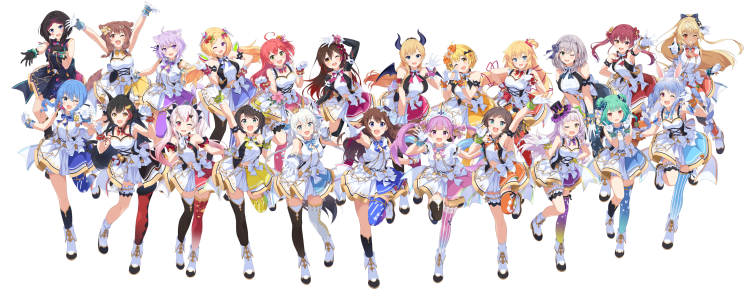
Hololive isn’t just a pile of anime girls streaming games, it’s a full-blown idol dynasty stacked with dozens of talents, and every Hololive gen is basically its own iconic friend group with its own vibe, its own drama, and its own die-hard fans. If you’ve ever watched a clip and had absolutely no idea what “Gen 3,” “holoX,” or “Advent” actually means, you’re in exactly the right place!
By the end of this guide you’ll know every Hololive gen from the very first idol to the newest English talents, and you’ll actually get why fans are so obsessed with each one. If you are brand new to all of this, it helps to first know what a VTuber even is. Once that clicks, the Hololive gen system makes a whole lot more sense.
What Is a Hololive Gen, Anyway?
Hololive is a VTuber agency run by a Japanese company called Cover Corp. Instead of hiring talents one at a time and just tossing them online solo, Cover debuts them in batches. Each batch is a generation, and fans just call them “gens” for short.
A Hololive gen usually drops within the same week or two, each member gets a huge debut stream, and they build a little sibling-style bond right out of the gate. That is a massive part of the appeal! You are not just watching one streamer, you are watching a whole class that grew up together on camera, cracked jokes together, cried together, and hit milestones side by side.
The Hololive generations split into branches too. There is the original Japanese side, which fans call the Hololive JP gens. Then there is Hololive English, which serves the Western crowd. There was also a Hololive Indonesia branch, and Cover has kept reshaping the roster over the years as talents debut, graduate, and move on. For this guide we’ll walk the JP and EN gens in order, since those are the two most people are asking about. Want the bigger backstory on how the agency exploded into a global powerhouse? Our full breakdown of Hololive’s rise covers that side of the story.
What Is a Hololive Generation Built From?
Every Hololive generation shares a few things that make it feel like a real unit. They usually debut with a matching theme or aesthetic, they get a group song at some point, and they lean hard into cross-member collabs so you get to watch the chemistry build in real time. Some gens are chaotic goblins, some are polished idol machines, and some are a wild mix of both. That variety is why picking a favorite Hololive gen becomes a personality test for fans. So let’s meet them, starting from the very beginning.
Hololive Gen 0: Where It All Started
Every empire has a beginning, and for Hololive that is Gen 0. Funny thing is, Gen 0 was not planned as a group at all. These talents debuted on their own before the whole generation system got locked in, and Cover later grouped them together after the fact.
Tokino Sora is the big one here. She is the founding idol, the very first Hololive talent, and fans treat her like the mother of the entire agency. Alongside her you get Roboco-san, one of the earliest faces and a lovable half-robot goofball, plus Sakura Miko, the self-proclaimed “Elite” gamer and meme queen who basically willed her own popularity into existence with sheer chaotic charm.

This gen also includes Hoshimachi Suisei, one of the most respected singers in the whole company and a genuine music-industry force with charting songs, and AZKi, a music-focused talent who is all about original tracks. Gen 0 is small, but it is absolutely stacked with heavy hitters. If you love idol energy and killer vocals, this is holy ground.
The Early Hololive JP Gens (Gen 1, Gen 2, and GAMERS)
Now the generation machine really kicks in. These early Hololive JP gens set the template that every wave after them would follow.
Gen 1 gave us Shirakami Fubuki, the white fox who might be the single most recognizable Hololive mascot on the planet. She is everywhere, she collabs with everyone, and she is beloved by basically the entire fandom. Gen 1 also includes Natsuiro Matsuri, the party-loving festival girl, Aki Rosenthal, Akai Haato (whose chaotic “Haachama” persona is a whole legend of her own, complete with cursed cooking streams), and Yozora Mel.
Gen 2 brought Minato Aqua, a shy gamer with monster mechanical skills, plus Murasaki Shion, Nakiri Ayame, Yuzuki Choco, and Oozora Subaru. Subaru in particular became a fan favorite for pure comedic timing and that unforgettable duck energy that turned her into a walking meme.
Then there is GAMERS, which is a bit of a special case. It is not a numbered gen, it is a gaming-focused sub-unit. Fubuki leads it, and the lineup adds Ookami Mio, Nekomata Okayu, and Inugami Korone. Korone blew up huge in the West thanks to her marathon retro game streams and her adorable “Yubi yubi” bit. If you only know one GAMERS member, it is almost definitely her.
🌏 The hololive Shelf: Official Merch
She has no figure of her own yet — but hololive does. All officially licensed.

Bushiroad Weiss Schwarz Premium Booster Holo Live…
Bushiroad
Real cards, hololive included
$49.00
Check it on Amazon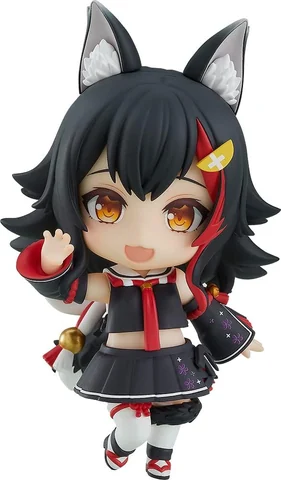
Good Smile Hololive Production: Ookami Mio Nendoroid…
Good Smile Company
The definitive hololive desk piece
$29.99
Check it on Amazon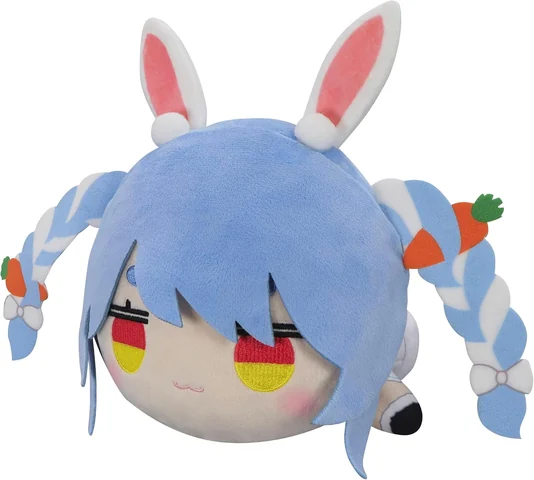
FURYU Corporation-hololive Production-Lying Down Big…
FuRyu
Huggable hololive, officially licensed
$24.56
Check it on Amazonswipe for more →
As an Amazon Associate we earn from qualifying purchases. Prices are approximate; the listing has the live price. Product images from the linked Amazon listings.
Hololive Gen 3 and Gen 4: The Boom Years
If you ask longtime fans when Hololive truly went nuclear, most will point straight at Gen 3. This is the generation, nicknamed Fantasy, that turned the agency into a global phenomenon.
Gen 3 gave the world Usada Pekora, the bunny gremlin whose “Peko” laugh became a genre unto itself. She is one of the most-watched female streamers in Japan, period, and her elaborate Minecraft schemes are the stuff of legend. Beside her you get Houshou Marine, the pirate captain with a razor-sharp sense of humor and one of the biggest YouTube channels in the whole agency, Shiranui Flare, and Shirogane Noel. The fifth member was Uruha Rushia, whose story took a dramatic turn we’ll get into later.

Gen 4 kept the momentum rolling. This wave includes Amane Kanata, Tsunomaki Watame, Tokoyami Towa, Himemori Luna, and Kiryu Coco. Coco is the name that echoes hardest here. She was a bilingual powerhouse who pulled in massive Western audiences with her “Asacoco” news bits and became one of the most influential talents Hololive ever had. Her chapter did not end quietly, and we’ll circle back to it.
These two Hololive generations are where a ton of Western fans first got hooked, so if the names feel familiar, that is exactly why.
Hololive Gen 5 and holoX: The Newest JP Waves
The Hololive JP gens did not stop at four. Gen 5, nicknamed Nepolabo, arrived with Yukihana Lamy, Momosuzu Nene, Shishiro Botan, and Omaru Polka. Botan is a certified FPS demon with the chillest big-sister voice you’ll ever hear, while Polka brings pure circus-clown chaos in the absolute best way. This gen originally debuted with a fifth member, Mano Aloe, whose time was cut painfully short.
Then came the sixth Japanese wave, and instead of calling it Gen 6, Cover branded it as “Secret Society holoX.” The theme is a shadowy organization plotting world domination, which is exactly as fun as it sounds. The holoX lineup is La+ Darknesss, the tiny gremlin leader, plus Takane Lui, Hakui Koyori, Sakamata Chloe, and Kazama Iroha. Koyori became a streaming machine, going live almost daily and grinding her way to the top of the charts, while Iroha won hearts as the earnest samurai of the group.
holoX proved that even years in, a fresh Hololive gen could still debut to enormous hype and instant chart-topping numbers. These are the newest JP faces, and they slotted right into the family like they were always there.
Hololive English: Myth, Promise, Advent, and Justice
Now for the branch that changed everything for Western fans. Hololive English does not use numbers, it uses named generations, and each one has its own identity and lore.
Myth is the first EN gen, and it is iconic. The members are Mori Calliope, Takanashi Kiara, Ninomae Ina’nis, Gawr Gura, and Watson Amelia. Gura is the shark girl who became the most-subscribed VTuber in the world, full stop, and she still holds that crown today. If you have seen a single VTuber clip on YouTube, odds are it was her going “a.” We break down more on Gawr Gura’s story and face-reveal chatter if you want to go deeper.

Next came Promise, which is what fans call the merged group of Council plus the solo talent IRyS. Council debuted in 2021 as Tsukumo Sana, Ceres Fauna, Ouro Kronii, Nanashi Mumei, and Hakos Baelz. IRyS joined the family a little earlier under Project HOPE, then Cover folded everyone together into Promise. Mumei, Kronii, and Baelz are still huge draws today, pulling big numbers across songs, games, and collabs.
Advent is the third EN gen, and it hit hard in 2023. The lineup is Shiori Novella, Koseki Bijou, Nerissa Ravencroft, and the twin sisters Fuwawa and Mococo Abyssgard, better known together as FUWAMOCO. Those puppy twins became an instant sensation with their early-morning “morning FUWAMOCO” streams and their nonstop, deafeningly cute energy.
The official Advent reveal PV that introduced the full lineup, straight from the Hololive English channel:
Justice is the fourth EN gen, debuting in June 2024 and built with a lore identity as a rowdy squad on a mission to bring justice to the world. The members are Elizabeth Rose Bloodflame, Gigi Murin, Cecilia Immergreen, and Raora Panthera. Gigi in particular went viral almost immediately thanks to her meme-heavy, gloriously unhinged debut. Between Advent and Justice, the EN side is bigger and louder than ever.
Graduations and Terminations That Shook Each Hololive Generation
You cannot really understand the Hololive generations without knowing the goodbyes. In VTuber land, “graduation” is the polite word for a talent retiring their character. “Termination” is the harsher version, when a contract ends badly. Both have hit fans hard.
One of the biggest graduations ever belongs to Kiryu Coco from Gen 4. Her farewell stream in July 2021 drew a jaw-dropping live audience and smashed records fans still bring up years later. The ripple effect on the community was massive.
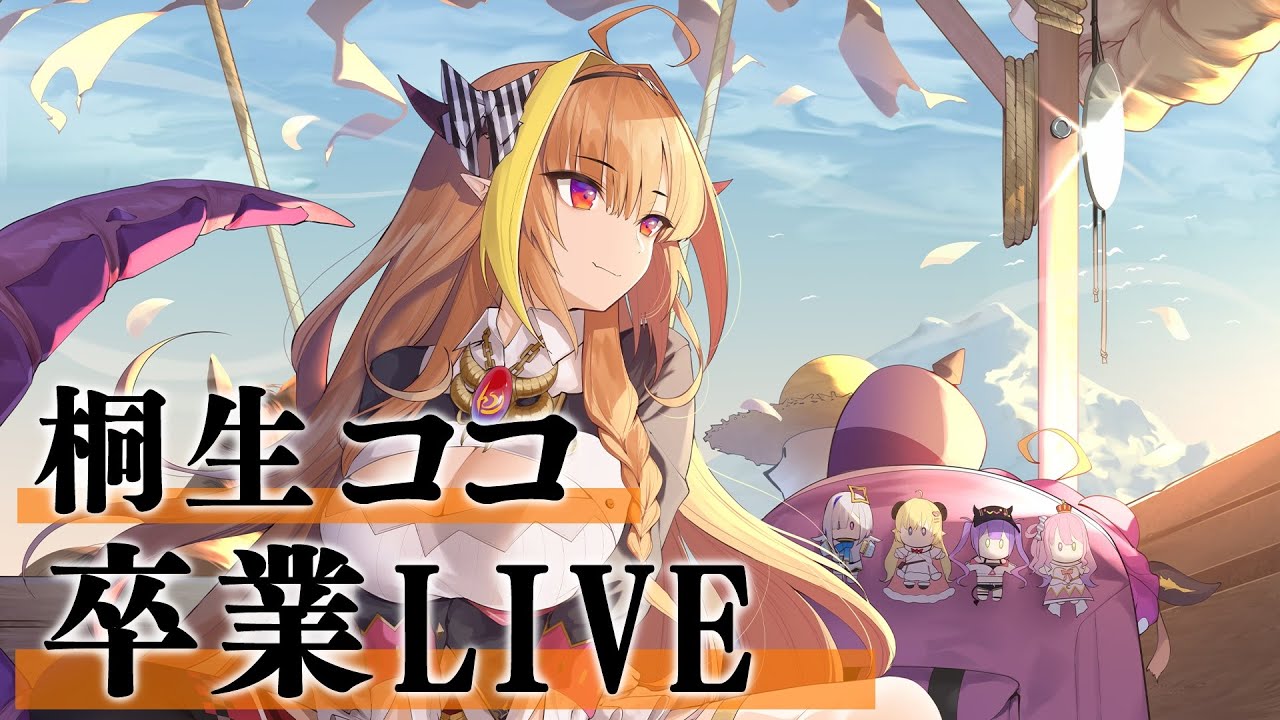
Watch the record-breaking farewell for yourself, archived on her official channel:
The official Hololive English announcement of her graduation stream:
Then in 2025, Myth’s own Gawr Gura announced her graduation, with her final 3D concert landing on May 1, 2025. For the most-subscribed VTuber on the planet to step away was seismic, and even in retirement she still sits at the top of the subscriber rankings. Fellow Myth member Watson Amelia wrapped up her streaming activities in September 2024 while staying on as a Hololive affiliate, which shocked longtime fans since Myth had felt untouchable.
Gen 3 took a gut punch when Uruha Rushia was terminated in 2022 after a messy chat leak controversy. It was one of the most talked-about VTuber stories of the year, and we cover the full Rushia termination saga if you want every detail.
Gen 5 lost Mano Aloe just weeks after debut, following a wave of harassment and doxxing that pushed her to step away. It remains one of the saddest early exits in the agency’s history.
The Council crew felt it too. Tsukumo Sana graduated back in July 2022, and years later Ceres Fauna announced her own graduation, wrapping up in January 2025 after a dispute with management, which sent shockwaves through the community all over again. Every Hololive gen carries these moments, and honestly, they are a big part of what makes this fandom so tight-knit.
Frequently Asked Questions
How many Hololive gens are there?
On the Japanese side there are the JP gens Gen 0 through Gen 5, plus the sixth wave branded as holoX, along with the GAMERS sub-unit. On the English side there are four generations: Myth, Promise (Council plus IRyS), Advent, and Justice. New waves keep coming, so the count grows over time.
What is the difference between a Hololive JP gen and Hololive English?
It comes down to branch and language. The Hololive JP gens are the original Japanese talents who mostly stream in Japanese, while Hololive English talents stream primarily in English for Western audiences. They share the same company, the same lore universe, and they collab across branches all the time.
Which Hololive generation is the most popular?
It depends who you ask, but Gen 3 (Fantasy) and Hololive English Myth usually top the list. Gen 3’s Usada Pekora and Houshou Marine pull enormous Japanese numbers, while Myth’s Gawr Gura is still the single most-subscribed VTuber anywhere even after her graduation. Both gens are what turned a lot of casual viewers into hardcore fans.
Why do some Hololive gens have names instead of numbers?
The Japanese side mostly uses numbers, with holoX being the fun exception. Hololive English went with themed names like Myth, Advent, and Justice from the start because it fits the storytelling and gives each generation a stronger identity. It is just a branding choice, and both styles point to the same idea of a debut class.
Who was the very first Hololive talent?
Tokino Sora, part of Gen 0, is the founding idol and the first Hololive talent ever. She debuted before the gen system was formalized, which is why Gen 0 exists as a catch-all for those early solo pioneers. Fans lovingly treat her as the origin point of the whole agency.
Are new Hololive generations still debuting?
Yes! Cover keeps adding fresh talent on both the JP and EN sides, with Justice being the newest English wave. The Hololive generations are a living, growing family, so there is always a new gen for fans to fall in love with.